Springtime in a Small Town
2002
No user ratings available yet
Diversity score: 5.2 out of 10
1974
Director
Aleksandr Mitta, Kenji Yoshida
Runtime
90 minutes
Average Rating
No ratings yetSynopsis
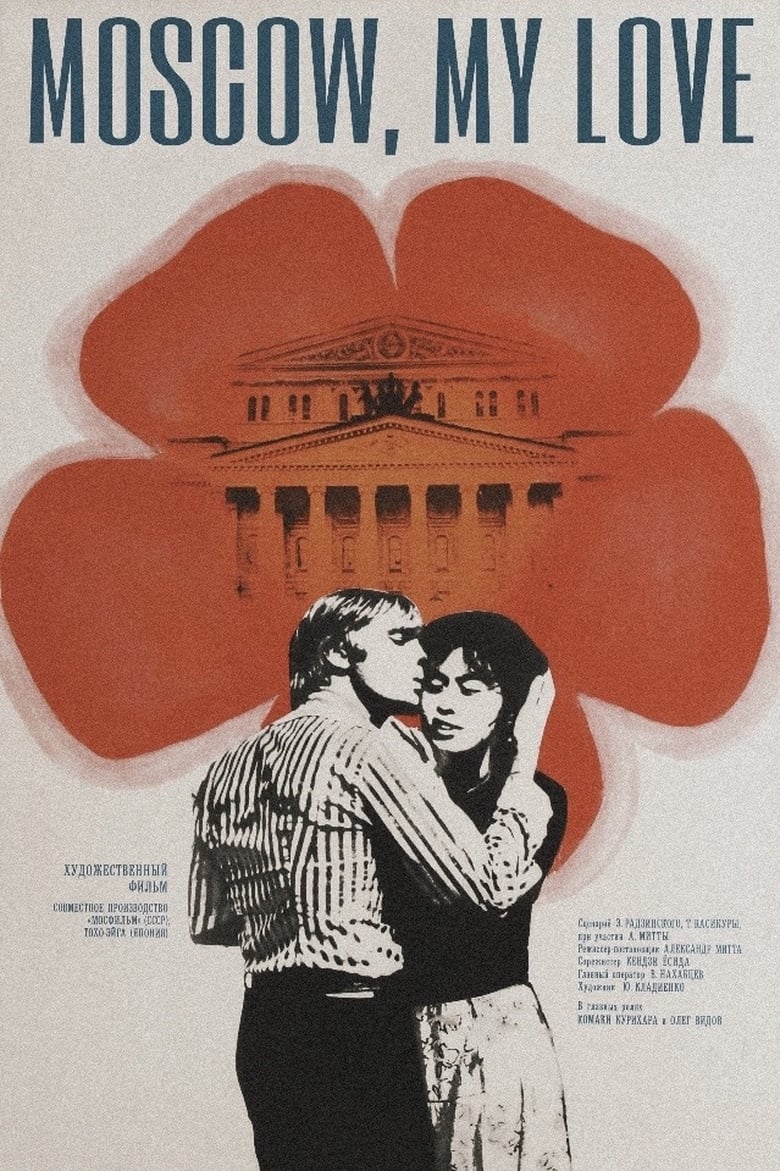
A young talented dancer from Japan is invited to study ballet art at a school at the Bolshoi Theater in Moscow. She achieves professional success, for the first time real love comes to her. However, the girl’s happiness was short-lived — a sudden illness of blood interferes in the fate of the dancer, like an echo of the atomic bomb in Hiroshima, where her parents lived.
Overall Score
Fair
Category Breakdown
LGBTQ+ Representation
The film follows a traditional romantic arc centered on a Japanese dancer. There is no evidence of queer narratives or non-cisnormative identities within the story.
Gender Representation
A female protagonist drives the narrative through her professional mastery at the Bolshoi Theater. She demonstrates agency and discipline within a highly competitive, rigorous art form.
Racial & Ethnic Diversity
The story centers a Japanese protagonist in a Soviet setting, disrupting Eurocentric norms. It uses her heritage to connect personal tragedy to the historical trauma of Hiroshima.
Religious & Cultural Diversity
The narrative explores displacement and how geopolitical forces impact individuals. It moves beyond simple melodrama by linking personal struggles to global historical events.
Disability Representation
A sudden blood illness serves as a central plot catalyst. While this adds depth, the medical condition risks functioning as a purely tragic device for the character.
Strengths
Areas for Improvement
AI Analysis
Moscow, My Love is a cross-cultural drama that succeeds in breaking ethnic homogeneity by placing a Japanese dancer at the heart of a Soviet institution. The film's greatest strength is its ability to weave personal biology with historical trauma, specifically linking the protagonist's illness to the legacy of Hiroshima. However, the film remains tethered to conventional tropes. The romantic structure is traditional, and the use of a life-threatening illness feels potentially reductive, serving more as a tragic plot device than a nuanced exploration of disability. Ultimately, the film offers a meaningful intersectional perspective that connects individual identity to broader geopolitical histories, even while adhering to standard romantic frameworks.
2002
1971
2006

1995
2001
1985

1968
1956
1951
2009
2017

1970
No reviews yet. Be the first to share your thoughts on this movie!
Use the rating form above to leave a star rating and optional review.