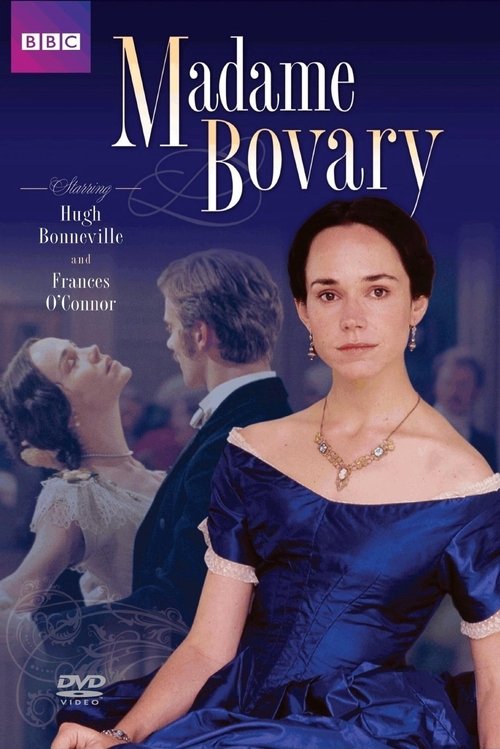
Madame Bovary
2000
No user ratings available yet
Representation score: 5.2 out of 10
Representation Score
Limited
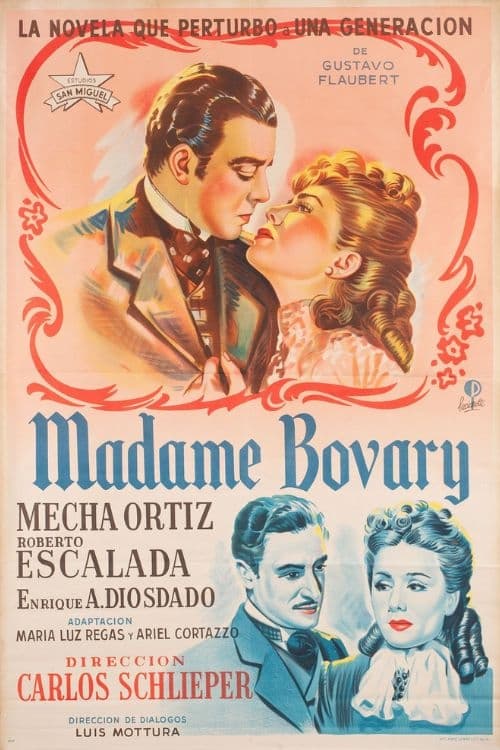
1947
Director
Carlos Schlieper
Runtime
82 minutes
Average Rating
No ratings yetNew Showbiz Analysis
Carlos Schlieper’s 1947 adaptation of *Madame Bovary* is a period drama that prioritizes a critique of social structures over modern diverse representation. The film effectively deconstructs the stability of the mid-19th-century middle class, using Emma Bovary’s dissatisfaction to highlight the tensions within the domestic sphere. While the film offers a nuanced look at gendered constraints and the failure of bourgeois institutions, it remains limited by its historical context. The absence of racial, ethnic, or LGBTQ+ diversity reflects the homogeneous setting and the cinematic standards of the time. Ultimately, the work serves as a character study of social alienation. It prioritizes a deep, critical examination of traditional social and religious pillars over broad demographic diversity.
Category Breakdown
The film follows the conventional norms of its time and does not depict any non-straight relationships or identities. There are no representations of LGBTQ+ characters or same-sex intimacy.
Emma Bovary challenges the traditional submissive feminine role by rejecting the bourgeois lifestyle. However, her rebellion leads to a tragic end, reinforcing the idea that deviating from expected gender roles can have severe consequences.
The cast and setting reflect a uniform demographic typical of 19th-century provincial France. The narrative centers on the social hierarchies of the French middle class.
The story critiques the materialism and superficiality of bourgeois life. It portrays religious and family structures through a lens of disillusionment and stagnation.
There are no visible depictions of physical or neurodivergent disabilities. The narrative focuses on the psychological states of boredom and romantic disillusionment.
Present on Screen
Limited or Absent
Official Synopsis
Paris, 1857. While on trial for moral outrage, French writer G. Flaubert tells the court and the audience the true story of the heroine of his novel Madame Bovary, a sensitive but capricious woman whose desperate efforts to overcome the bourgeois conventions of a dull, provincial life led her family first to ruin and disrepute and finally to the abyss of tragedy.
2000
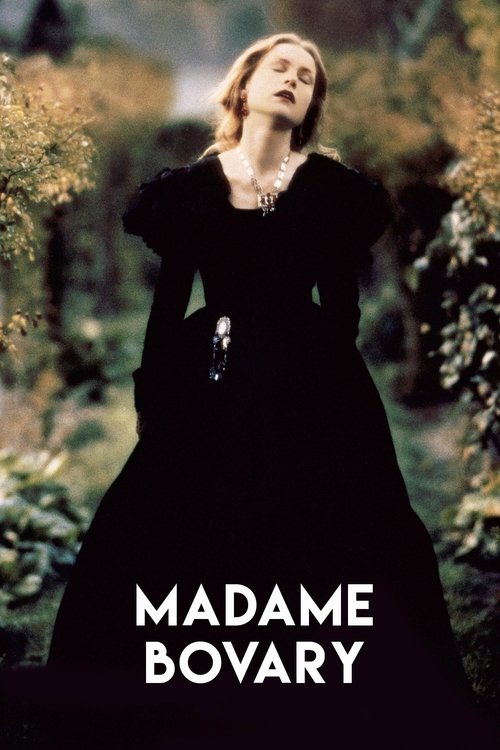
1991
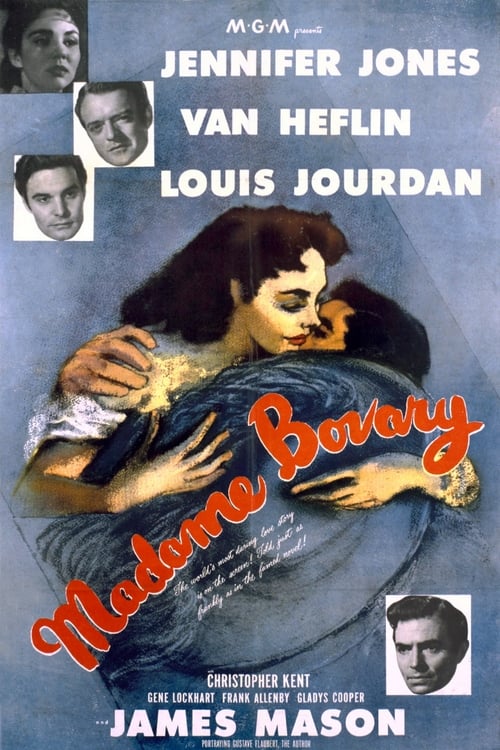
1949
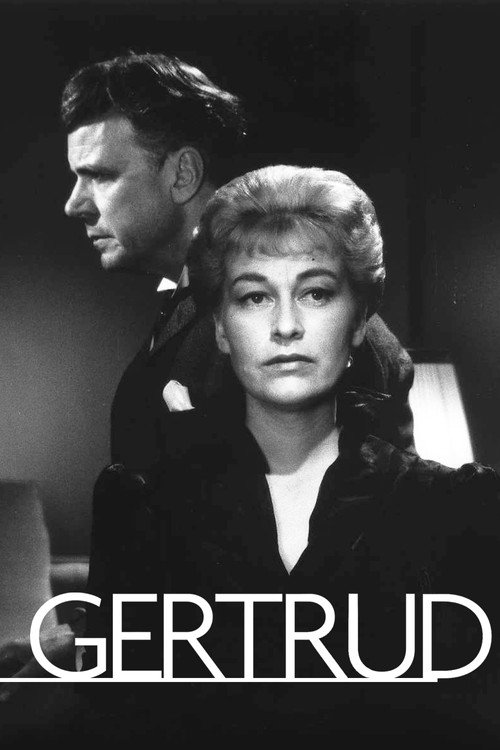
1964
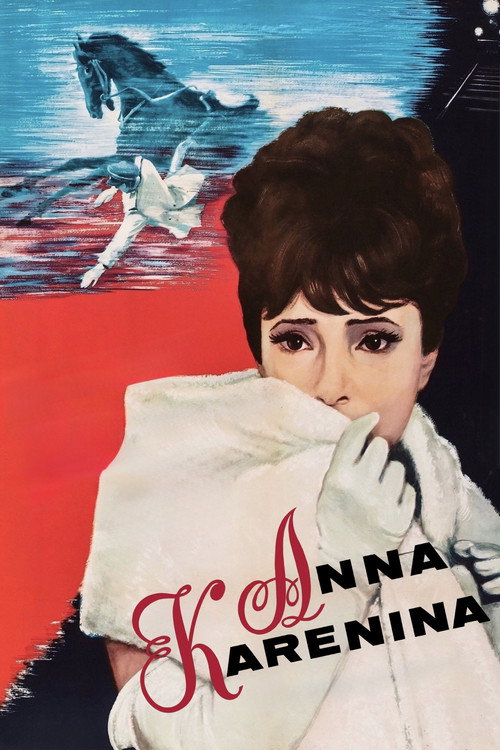
1967

1996
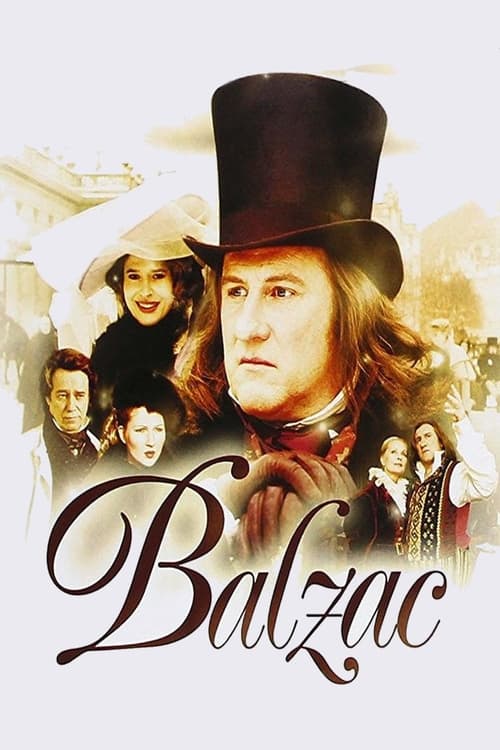
1999
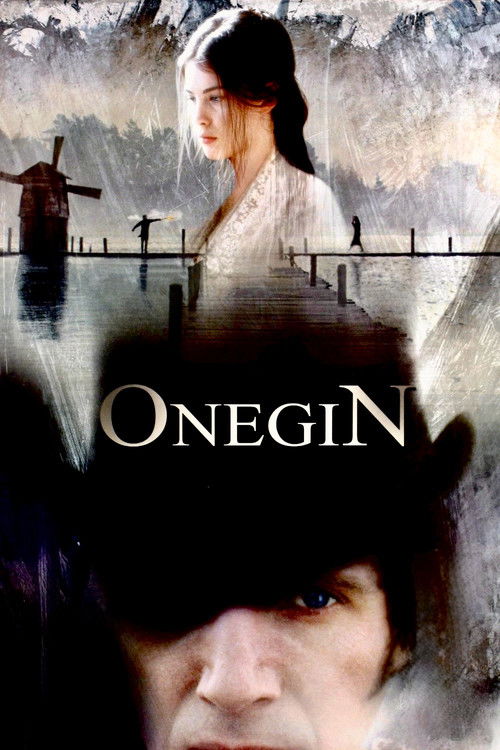
1999
No reviews yet. Be the first to share your thoughts on this movie!
Use the rating form above to leave a star rating and optional review.