Surviving Picasso
1996
No user ratings available yet
Representation score: 2.6 out of 10
Representation Score
Fair
1999
PG-13Director
Josée Dayan
Runtime
240 minutes
Average Rating
No ratings yetNew Showbiz Analysis
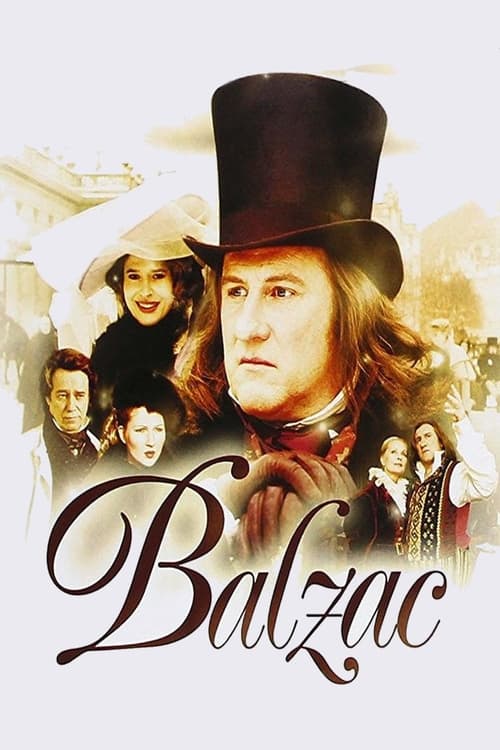
Balzac: A Life of Passion is a historically accurate biographical drama that emphasizes the social structures of 19th-century France. It successfully portrays complex female characters who navigate and challenge the rigid social norms of their time. However, the film remains confined to the homogeneous social circles of the era. It lacks representation of LGBTQ+ identities, racial diversity, or disability, reflecting the demographic stratification of the time. Ultimately, the film is a character-driven exploration of romantic obsession, offering meaningful character development but not actively seeking to diversify the period's demographic reality.
Category Breakdown
The film follows the straight-centered social norms of 19th-century France. It focuses solely on the romantic relationship between Balzac and Marie d'Agoult.
Female characters have significant roles in driving the story, especially Marie d'Agoult, who challenges societal norms through her intellect and choices. Balzac's volatile nature also defies traditional patriarchal behavior.
The cast is primarily made up of European upper and middle-class individuals. The film does not include diverse racial backgrounds or use color-blind casting.
The story examines moral relativism by emphasizing personal passion over established religious and social codes. It also highlights the pressures of emerging capitalism.
There is no significant depiction of visible or invisible disabilities. Characters are defined by their social and romantic status rather than by any neurodivergence or physical impairments.
Present on Screen
Limited or Absent
Official Synopsis
This is the sprawling saga of Honoré de Balzac, a man who created a great literary oeuvre from the dramas and adventures of his own life - a life that he shaped into one spectacular and unforgettable blaze of passion. At the heart of the story are the women in Balzac's life. Although gruff, unsophisticated, and far from handsome, Balzac exerts an irresistible fascination on women.
1996
1955

2006
1988
1997
2008
2017
1999
No reviews yet. Be the first to share your thoughts on this movie!
Use the rating form above to leave a star rating and optional review.