
Cute Devil
1982
No user ratings available yet
Representation score: 7.4 out of 10
Representation Score
Fair
1999
Director
Shinya Tsukamoto
Runtime
84 minutes
Average Rating
No ratings yetNew Showbiz Analysis
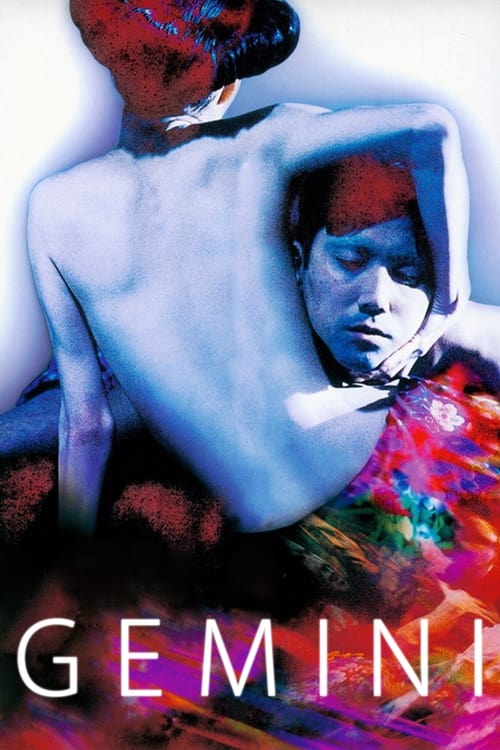
Shinya Tsukamoto’s *Gemini* is a specialized work of Japanese cyberpunk that emphasizes psychological fragmentation over social identity. Its low scores in LGBTQ+ and racial representation reflect a narrow focus on the protagonist's internal struggles within a localized industrial setting. However, the film excels in its cultural critique, challenging traditional moralities and institutional authority through a postmodern narrative structure. It portrays neurodivergent-like experiences such as dissociation without relying on common clichés, focusing instead on atmosphere and existential crisis.
Category Breakdown
The film does not include explicit LGBTQ+ characters or stories focused on queer identity. Instead, it centers on the protagonist's psychological breakdown and the distinction between organic and mechanical.
Female characters, such as the amnesiac wife, serve as extensions of the protagonist's fractured reality. While the film avoids traditional patriarchal roles, it does not provide significant opportunities for female-driven narratives.
The cast is primarily Japanese, reflecting the film's specific production context. It does not incorporate color-blind casting or multicultural elements, focusing instead on the industrial alienation of its setting.
The film critiques hyper-industrialization and late-stage capitalism by presenting a world where truth is subjective and reality is fluid. It challenges institutional stability through its postmodern narrative structure.
Psychological instability, memory loss, and sensory overload are central to the narrative. These conditions are portrayed as existential crises rather than clinical disabilities or inspirational stories.
Present on Screen
Limited or Absent
Official Synopsis
When his mother's untimely death quickly follows his father's, a doctor begins to believe a killer may be targeting him and his amnesiac wife.
1982

2004

1966

1997

2020

1981
1988

2016
No reviews yet. Be the first to share your thoughts on this movie!
Use the rating form above to leave a star rating and optional review.