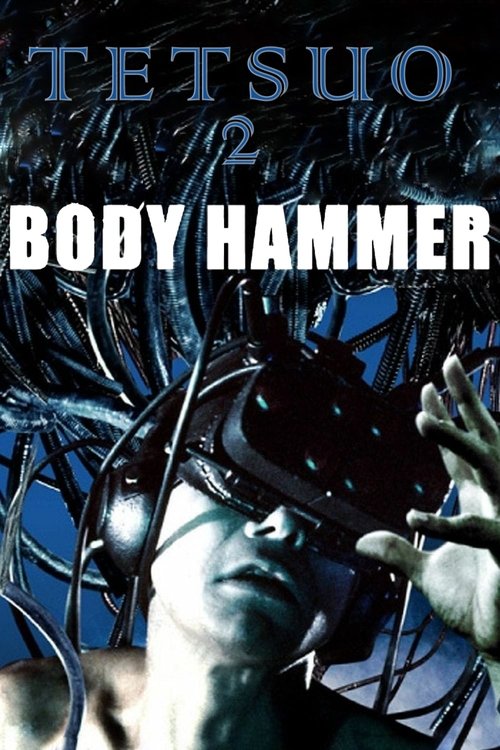
Tetsuo II: Body Hammer
1992
No user ratings available yet
Representation score: 5.9 out of 10
Representation Score
Fair
2010
Not RatedDirector
Shinya Tsukamoto
Runtime
71 minutes
Average Rating
No ratings yetNew Showbiz Analysis
Shinya Tsukamoto’s work is a visceral deconstruction of the human form, prioritizing existential themes over demographic diversity. The film excels at cultural critique, using body horror to challenge the stability of modern capitalist and technological structures. However, the narrative scope is narrow. The focus on a singular male experience results in a lack of gender diversity and queer representation. While the protagonist's mixed-race background adds a layer of transnational context, the film does not explore broader racial diversity. Ultimately, the film trades traditional social representation for a deep, philosophical exploration of identity and the biological body.
Category Breakdown
The film focuses almost exclusively on the physical and psychological changes of a single male protagonist. There are no LGBTQ+ characters or stories about non-straight or non-cisgender identities.
The story centers on a male-driven crisis of bodily autonomy. It lacks female characters who play significant roles or challenge the existing power dynamics.
The protagonist's mixed heritage, being the son of an American man and a Japanese woman, adds a transnational element. However, the industrial setting emphasizes atmosphere over a diverse cast.
The film offers a sophisticated critique of hyper-industrialization and the dehumanizing effects of technology. It challenges traditional views of progress by presenting the man-machine fusion as a source of chaos.
The protagonist's involuntary physical transformation serves as a metaphor for life-altering bodily changes. He maintains control while navigating a complex struggle for identity amidst profound physical dysfunction.
Present on Screen
Limited or Absent
Official Synopsis
When the son of an American man and a Japanese woman is killed in a car crash, the man transforms into a rageful metallic being thirsty of blood and vengeance.
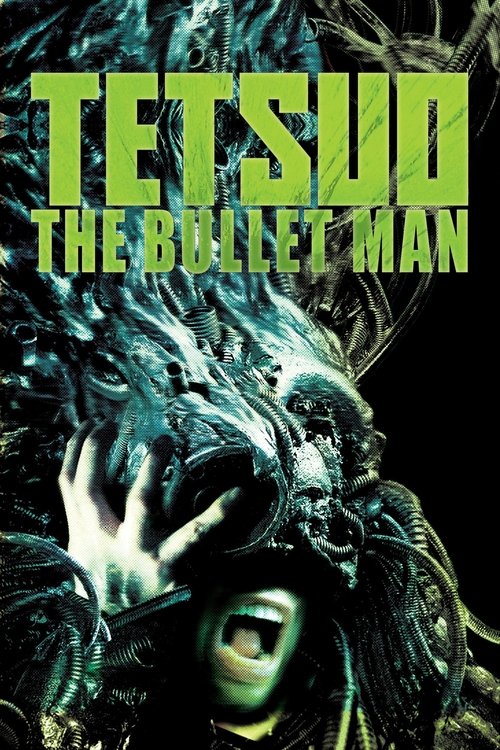
1992
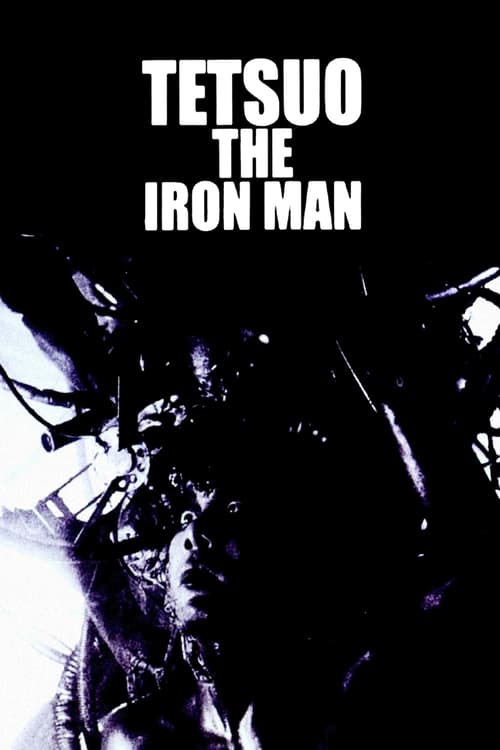
1989

2003
1995
2010
1987
1997
1999
No reviews yet. Be the first to share your thoughts on this movie!
Use the rating form above to leave a star rating and optional review.