Gemini
1999
No user ratings available yet
Representation score: 5.9 out of 10
Representation Score
Limited
1986
Director
René Manzor
Runtime
80 minutes
Average Rating
No ratings yetNew Showbiz Analysis
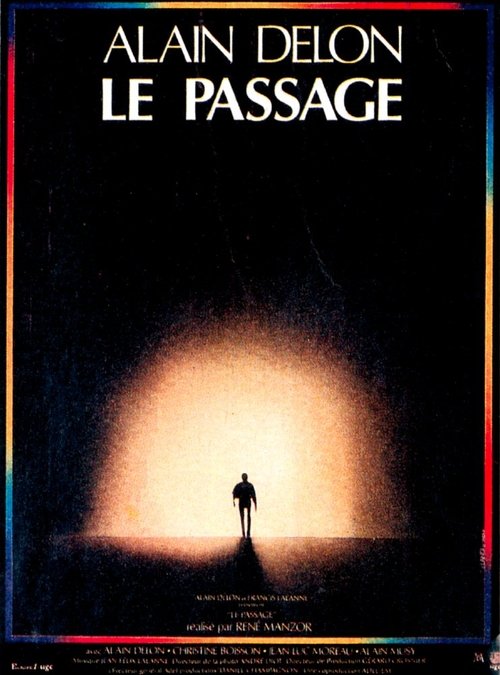
The Passage is a surrealist psychological drama that prioritizes existential themes over demographic representation. The narrative focuses on a father's negotiation with a personified, technological Death following a car accident. While the film offers a unique deconstruction of mortality and ability to act, it lacks diverse representation. The cast is largely homogeneous, and the story's power dynamics are heavily centered on the male protagonist's struggle. Ultimately, the film's strength lies in its abstract exploration of loss rather than its engagement with diverse social or identity-based frameworks.
Category Breakdown
The film does not include any LGBTQ+ characters or narratives. The story focuses entirely on the nuclear family unit and the protagonist's existential struggles.
The narrative centers on the male experience of grief and paternal duty. Female characters play minor roles, primarily serving as catalysts for the protagonist's emotional journey.
The cast is predominantly white, reflecting the European cinematic traditions of the time. The story emphasizes universal existential themes over identity-based social dynamics.
The film presents a secular, postmodern perspective on death. It frames Death as a bureaucratic, technological force rather than a spiritual entity, challenging traditional religious views.
Medical trauma and comas are central plot devices. These conditions serve as narrative stakes for the protagonist's negotiations with Death, rather than exploring the lived experiences of those affected by disabilities.
Present on Screen
Limited or Absent
Official Synopsis
Film-maker Jean Diaz lives with his son David after separated from his wife. On their way to the new house near the sea, Jean and David have a car accident provoked by The Death (portrayed here like a grim-reaper). The doctor actually can save Jean, but The Death sabotages the equipment with his computer. The Death offers Jean to wake David from his coma, but Jean must make an animation movie against the violence for him.
1999
1921
1973

2024

1982
1998
2020
2002
No reviews yet. Be the first to share your thoughts on this movie!
Use the rating form above to leave a star rating and optional review.