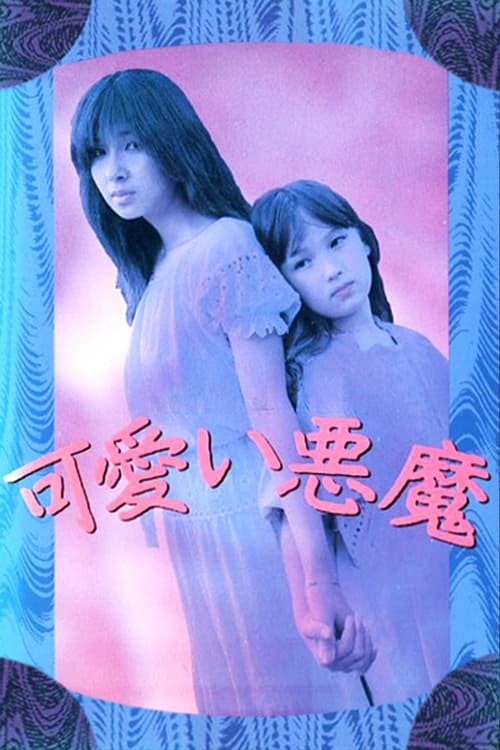
Cute Devil
1982
No user ratings available yet
Representation score: 7.4 out of 10
Representation Score
Fair
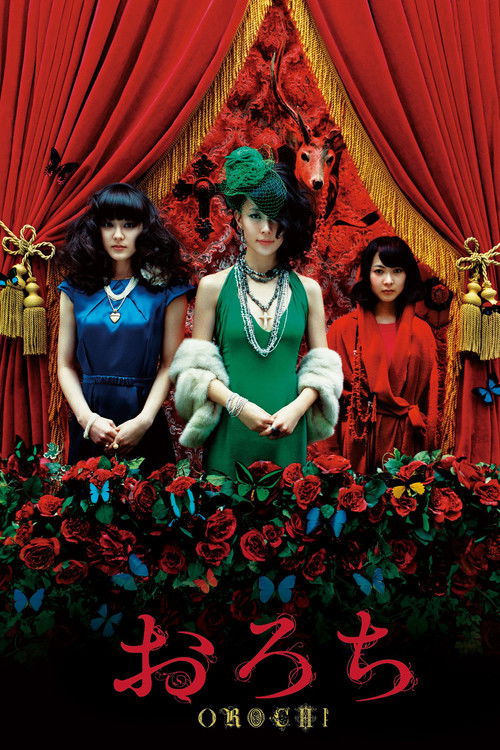
2008
Director
Norio Tsuruta
Runtime
107 minutes
Average Rating
No ratings yetNew Showbiz Analysis
Orochi - Blood offers a dark, psychological deconstruction of the family unit. It succeeds by subverting the 'nurturing mother' cliché, instead presenting a matriarchal structure defined by competition and systemic dysfunction. However, the film remains limited in its multi-layered scope. The narrative lacks explicit LGBTQ+ representation and maintains a culturally homogeneous cast typical of its origin, providing little room for racial or queer diversity. Ultimately, the film's strength lies in its critique of traditional social hierarchies and the domestic sphere, using horror to expose the corrosive nature of ambition and inherited trauma.
Category Breakdown
The story focuses on the biological and competitive dynamics between a mother and her daughters, with no explicit mention of queer identities or non-straight relationships.
The film centers on female empowerment by challenging traditional maternal roles. Aoi Monzen acts as a catalyst for conflict rather than a nurturing figure, creating a matriarchal hierarchy built on manipulation.
As a Japanese production based on local manga, the cast appears culturally homogeneous. The film explores localized power dynamics within a specific cultural context without addressing multi-layered racial diversity.
The story critiques the sanctity of the domestic institution by framing family legacy as a source of hatred. It deconstructs traditional authority through the lens of hidden truths and psychological burdens.
There is no mention of characters navigating physical or neurodivergent disabilities. While a terrible accident occurs, it is unclear if disability serves as a central identity or a plot device.
Present on Screen
Limited or Absent
Official Synopsis
The story of Orochi revolves around the life of the Monzen family. Aoi Monzen, a famous, but aging, movie star and Kazusa and Lisa Monzen her two daughters. Aoi hopes for them both to take over her legacy as a star, but Kazusa does not live up to her expectations. The mother is always pitting the girls against one another competitively. As a result, as the years pass, the love the sisters shared grows to a hidden hatred. When another girl named Orochi saves the girl's mother from a terrible accident a bizarre chain of events is set in motion spanning many years. The atmosphere in their estate builds up until Orochi reveals a terrible truth that the family must keep hidden from the world. Orochi serves as the narrator of the story. The movie is based on a Kazuo Umezu manga series which ran from 1969 to 1970.
1982
1968
1999
1964
1972
2025
1998
2019
No reviews yet. Be the first to share your thoughts on this movie!
Use the rating form above to leave a star rating and optional review.