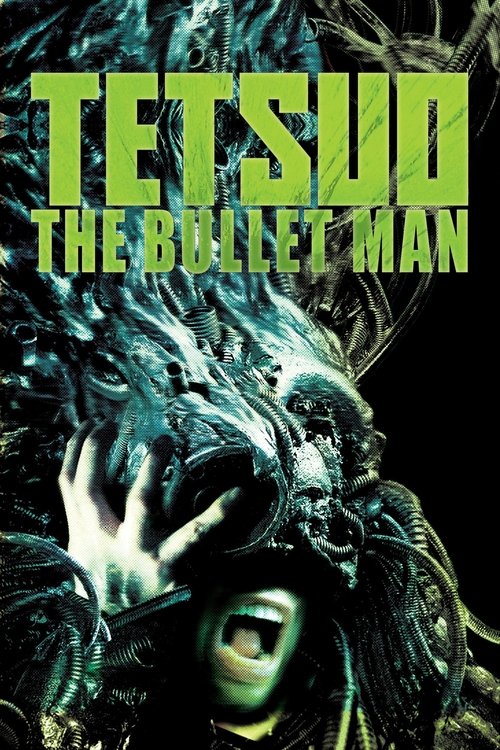
Tetsuo: The Bullet Man
2010
No user ratings available yet
Representation score: 5.3 out of 10
Representation Score
Fair
1992
RDirector
Shinya Tsukamoto
Runtime
81 minutes
Average Rating
No ratings yetNew Showbiz Analysis
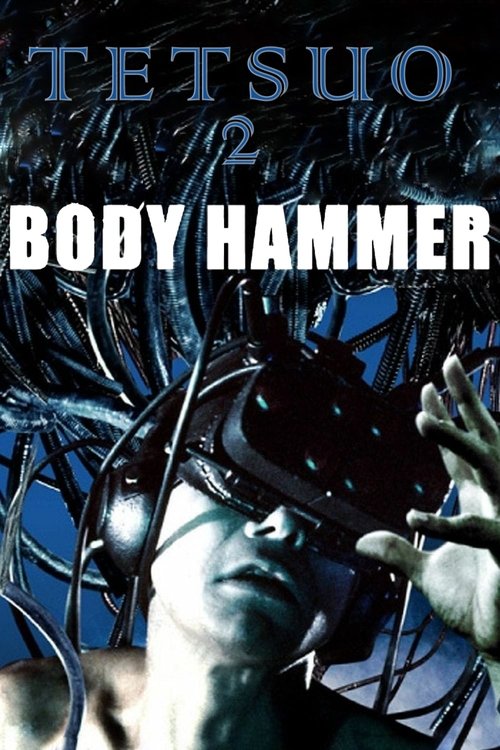
Tetsuo II: Body Hammer is a visceral exploration of cyberpunk body horror that prioritizes stylistic subversion over diverse representation. While it deconstructs the biological norm, it does not offer meaningful representation for LGBTQ+ or multi-ethnic communities. The film provides a strong cultural critique of modern society but remains limited in its engagement with specific identity-based issues. Its narrative centers on a singular, homogeneous experience within a dystopian Japanese context. Ultimately, the film's strength lies in its radical rejection of stable identities, even though it falls short in providing diverse representation.
Category Breakdown
The film does not include any characters with non-traditional gender identities or same-sex relationships. The story focuses on the protagonist's relationship with a female character.
The female character drives the protagonist's growth and development rather than being a passive figure. However, the film does not challenge traditional masculinity.
The film depicts a homogeneous urban environment with a specific cultural context. It lacks a diverse cast and focuses on a dystopian Japanese setting.
The film criticizes industrial capitalism through a portrayal of urban decay and social collapse. It emphasizes existential morality over traditional religious values.
Physical changes are shown as a source of horror and existential crisis. The transformations serve as metaphors for technology rather than a nuanced look at disability.
Present on Screen
Limited or Absent
Official Synopsis
A Japanese salaryman finds his body transforming into a weapon through sheer rage after his son is kidnapped by a gang of violent thugs.
2010
1989
1987
1998

1995
1999
1986
1997
No reviews yet. Be the first to share your thoughts on this movie!
Use the rating form above to leave a star rating and optional review.