Journey to the Shore
2015
No user ratings available yet
Representation score: 5.7 out of 10
Representation Score
Good
2016
Director
Kiyoshi Kurosawa
Runtime
131 minutes
Average Rating
No ratings yetNew Showbiz Analysis
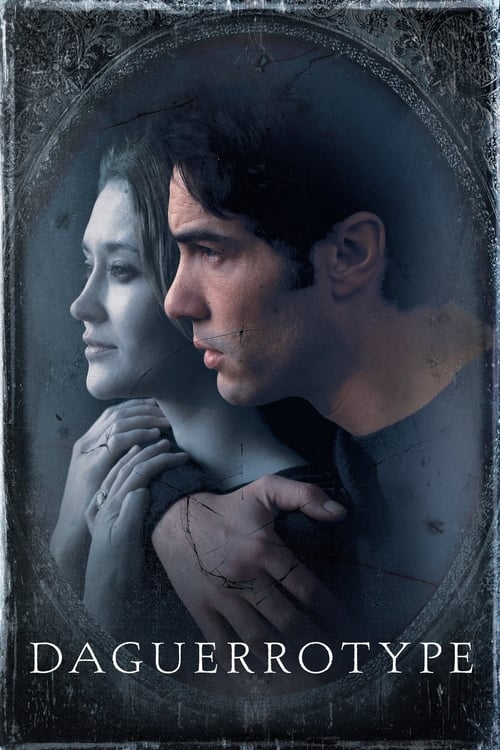
Kiyoshi Kurosawa’s *Daguerrotype* explores perception and historical atmosphere rather than social identity politics. Its strength lies in its authentic Japanese setting and its deconstruction of objective reality. While the film offers psychological depth, it lacks explicit representation of LGBTQ+ identities or disability. Characters operate within the traditional social hierarchies of the Meiji era, focusing more on the metaphysical than on demographic subversion.
Category Breakdown
The film focuses on obsessive craftsmanship and family relationships. It does not include explicit LGBTQ+ identities or non-traditional romantic storylines, sticking to conventional genre themes.
Female characters, such as the assistant and daughter, play key roles in the mystery and have significant psychological depth. However, they do not explicitly challenge the period's male-dominated structures.
Set during the Meiji era, the film presents a culturally authentic Japanese environment. It avoids whitewashing by emphasizing a localized, non-Western historical perspective.
The story emphasizes existential ambiguity and the fleeting nature of memory over strict moral codes. It avoids Western-centric clichés by focusing on a postmodern approach to truth.
The film does not feature central depictions of physical or neurodivergent disabilities. Themes of sensory perception are used as supernatural elements rather than explorations of lived experiences.
Present on Screen
Limited or Absent
Official Synopsis
An aging photographer's obsession with an early form of photography draws his assistant and daughter into a work of mystery.
2015

2005
2006

2017
2017
2021

2022
2011
No reviews yet. Be the first to share your thoughts on this movie!
Use the rating form above to leave a star rating and optional review.