
Cute Devil
1982
No user ratings available yet
Representation score: 7.4 out of 10
Representation Score
Excellent
1966
Director
Nobuhiko Obayashi
Runtime
39 minutes
Average Rating
No ratings yetNew Showbiz Analysis
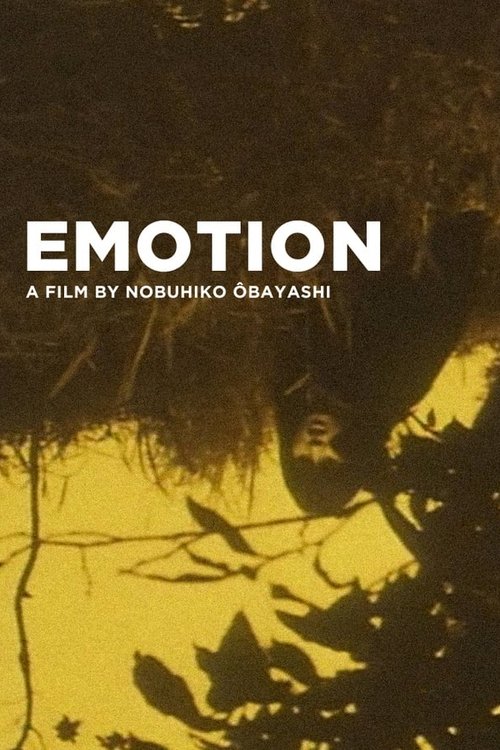
Emotion is an experimental short that prioritizes dream-logic over traditional narrative structures. It succeeds in subverting romantic archetypes and centers women's ability to drive the story within a surrealist framework. While the film offers progressive themes regarding identity fluidity and the subversion of conventional romantic structures, it remains limited by its specific cultural context and lack of demographic breadth. It functions more as a psychological exploration than a diverse social study. Ultimately, the film's strength lies in its ability to use the supernatural to navigate internal landscapes, even if it lacks explicit representation of disability or multiculturalism.
Category Breakdown
The film explores a non-traditional connection between Emi and Sari, suggesting a queer-coded search for identity through a surreal lens.
Emi serves as the primary navigator of her own psyche and the city, avoiding objectification and centering her role within a dreamscape.
This 1966 Japanese production is culturally specific and lacks a multicultural cast, presenting a non-Western perspective on Gothic horror.
Obayashi challenges Western narrative logic by blurring reality and dreams, using the vampire as a catalyst for emotional discovery rather than a moral antagonist.
There is no explicit evidence of neurodivergence or physical disability. The narrative focuses on metaphysical and psychological themes instead.
Present on Screen
Limited or Absent
Official Synopsis
Experimental short film depicting the life, perhaps real, perhaps a dream, of a young girl named Emi. Emi travels to the city where she encounters her counterpart, Sari, and falls in love with…a vampire?
1982
1973
1981

1970
1999
2016

1985

1966
No reviews yet. Be the first to share your thoughts on this movie!
Use the rating form above to leave a star rating and optional review.