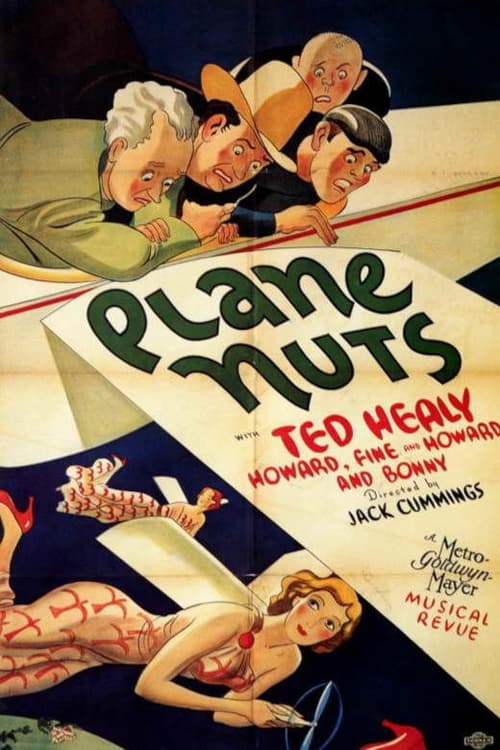
Plane Nuts
1933
No user ratings available yet
Representation score: 1.4 out of 10
Representation Score
Minimal
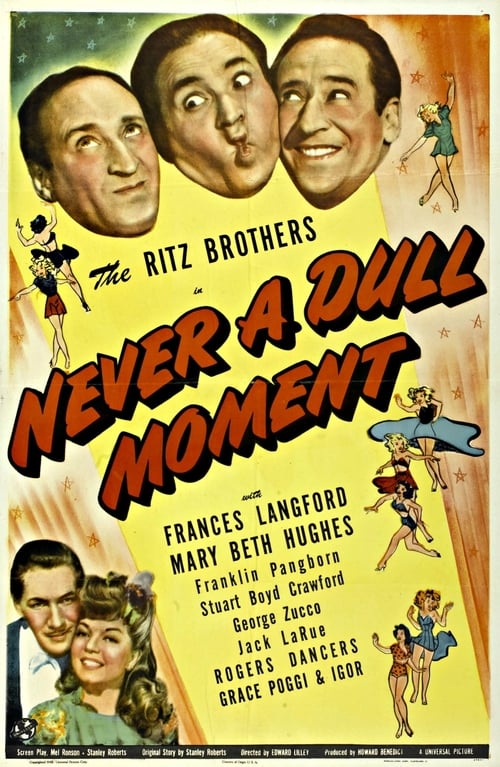
1943
ApprovedDirector
Edward C. Lilley
Runtime
60 minutes
Average Rating
No ratings yetNew Showbiz Analysis
Never a Dull Moment functions as a typical genre piece of the mid-century studio system. It prioritizes traditional comedic structures and mainstream entertainment over narrative subversion or storytelling that reflects multiple aspects of identity. The film serves as a representative artifact of its era, adhering to established cinematic hierarchies. It lacks the complexity needed to disrupt the social norms prevalent during the wartime period. Ultimately, the work follows the conventional social and racial frameworks typical of 1943 musical comedies, offering little in the way of diverse representation.
Category Breakdown
The film does not include any LGBTQ+ characters or stories that challenge the idea that everyone is straight or cisgender. It follows the comedic formulas popular in 1943, which reinforce the assumption that everyone's gender matches what they were assigned at birth.
The movie relies on traditional gender roles common in 1940s musical comedies. Female characters seem to exist mainly to provide comic relief rather than playing a significant role in driving the story.
The film reflects the homogeneous casting practices of the early 1940s. It seems to follow the era's conventional depictions of racial hierarchies.
The story operates within traditional Western entertainment structures and conventional morality. It lacks any deconstruction of traditional institutions or prioritization of secular views.
There is no evidence of characters with visible or invisible disabilities. No such characters are used as plot devices within the film.
Present on Screen
Limited or Absent
Official Synopsis
Nightclub gangsters hire a vaudeville act called the Three Funny Bunnies (Ritz Brothers).
1933
1954
1933

1931
1937
1929
1944
1946
No reviews yet. Be the first to share your thoughts on this movie!
Use the rating form above to leave a star rating and optional review.