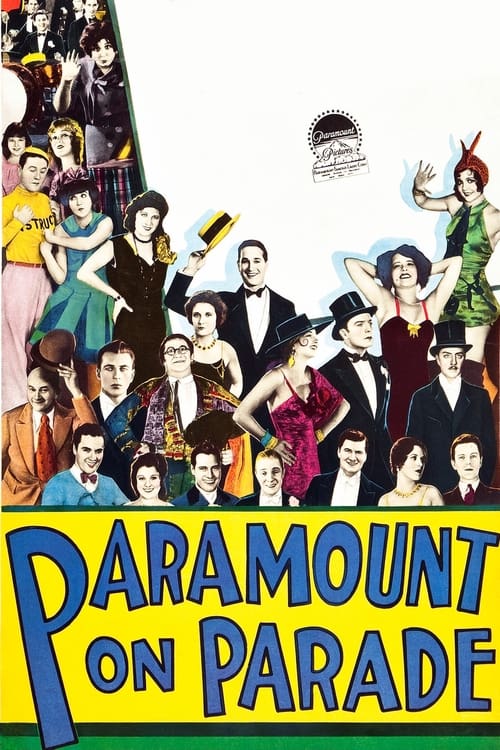
Paramount on Parade
1930
No user ratings available yet
Representation score: 1.5 out of 10
Representation Score
Limited
1930
Not RatedDirector
Alfred Hitchcock, Jack Hulbert, Paul Murray, André Charlot, Adrian Brunel
Runtime
83 minutes
Average Rating
No ratings yetNew Showbiz Analysis
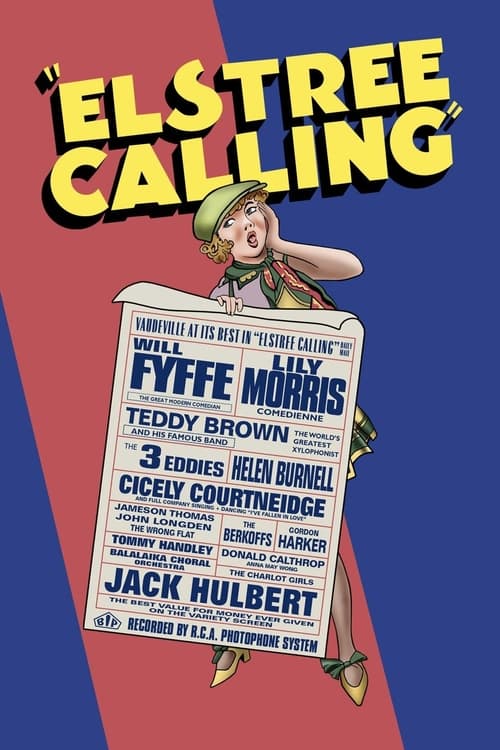
Elstree Calling functions as a historical showcase for musical talent and studio spectacle rather than a character-driven narrative. Its episodic, vaudeville-style structure prevents the development of complex, multi-layered identities. The film largely mirrors the traditional social and demographic hierarchies of 1930s British cinema. It prioritizes established entertainment formulas and the celebration of the studio system over challenging systemic norms.
Category Breakdown
The film does not include any explicit LGBTQ+ characters or narratives. It adheres to the traditional social norms of 1930s British musical revues.
Female performers likely have strong stage presence within the vaudeville sketches. However, women are often relegated to decorative or performative roles within the variety format.
Casting reflects the homogeneous demographic of the early British sound era. There is no evidence of actively leading characters of color or significant ethnic diversity.
The production celebrates the burgeoning film industry and Western entertainment values. It focuses on studio spectacle rather than deconstructing institutions.
There is no verifiable evidence regarding the portrayal of visible or invisible disabilities. The film does not use disability as a narrative device.
Present on Screen
Limited or Absent
Official Synopsis
A series of 19 musical and comedy "vaudeville" sketches presented in the form of a live television broadcast hosted by Tommy Handley (as himself).
1930
1941
1936
1982
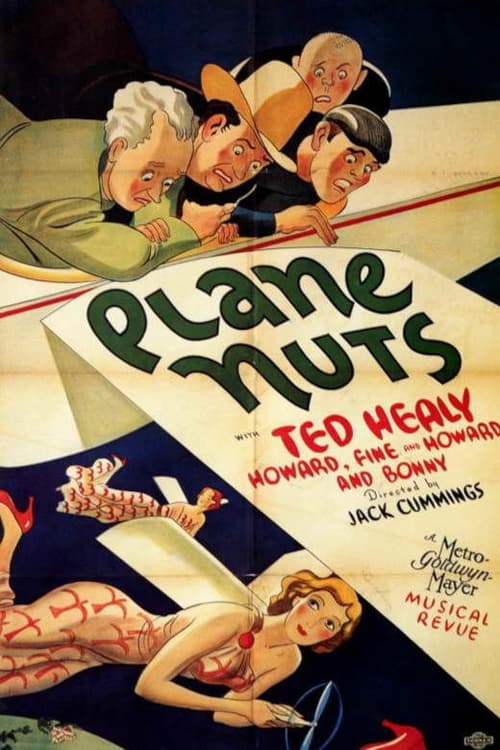
1933
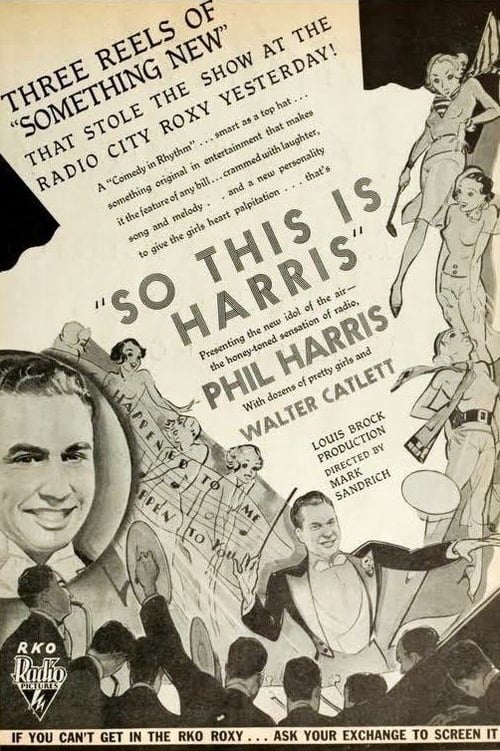
1933
1937
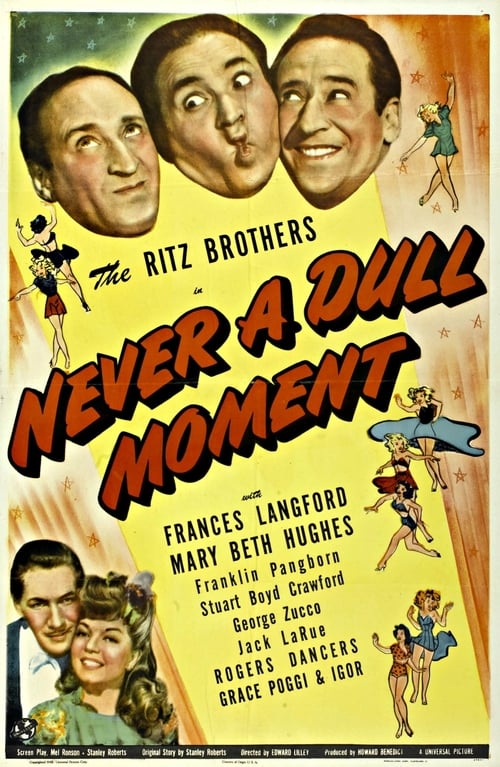
1943
No reviews yet. Be the first to share your thoughts on this movie!
Use the rating form above to leave a star rating and optional review.