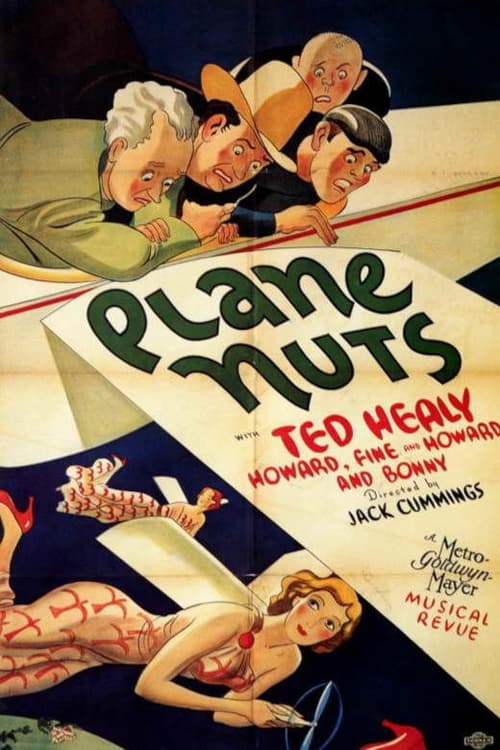
Plane Nuts
1933
No user ratings available yet
Representation score: 1.4 out of 10
No Poster Available
Representation Score
Minimal
1936
ApprovedDirector
Fred Waller
Runtime
11 minutes
Average Rating
No ratings yetNew Showbiz Analysis
Midnight Melodies is a typical variety short from the 1930s that focuses on showcasing talent rather than developing a deep narrative. The film celebrates the radio stars of the time and maintains the hierarchy of established celebrities. Representation in the film mirrors the mainstream social norms of 1936. It relies on traditional gender roles and homogeneous casting, offering little in the way of subversion or diverse casting. Overall, the film reinforces the entertainment structures of its time without challenging them, providing a snapshot of conventional media from the mid-1930s.
Category Breakdown
The film does not depict any non-straight relationships or same-sex intimacy. It follows traditional social norms of the time.
The film features male comedians and orchestras as the main structural elements. Female performers like Loretta Lee and Babs Ryan appear during musical segments but do not have leading roles.
The cast is made up of actors who fit the homogeneous casting standards of the 1930s. There are no non-white performers or diverse casting to break the period's social norms.
The film highlights popular radio stars and traditional entertainment forms. It upholds the cultural status quo without challenging Western social or religious institutions.
No disabilities, visible or invisible, are shown in this short. None of the characters have specific neurodivergent or physical needs.
Present on Screen
Limited or Absent
Official Synopsis
A one-reel short shot against a nightclub background in which several names from New York City radio programs do a variety of turns. Jack Gilford, a mimic, gives his takes on the likes of Harry Langdon, Rudy Vallee, George Jessel and Henry Armetta'. Loretta Lee sings a song and Babs Ryan does a musical number with the help of her brothers. Edward Paul and his orchestra provide the music.
1933
1933
1930
1937
1937
1943
1930
1930
No reviews yet. Be the first to share your thoughts on this movie!
Use the rating form above to leave a star rating and optional review.