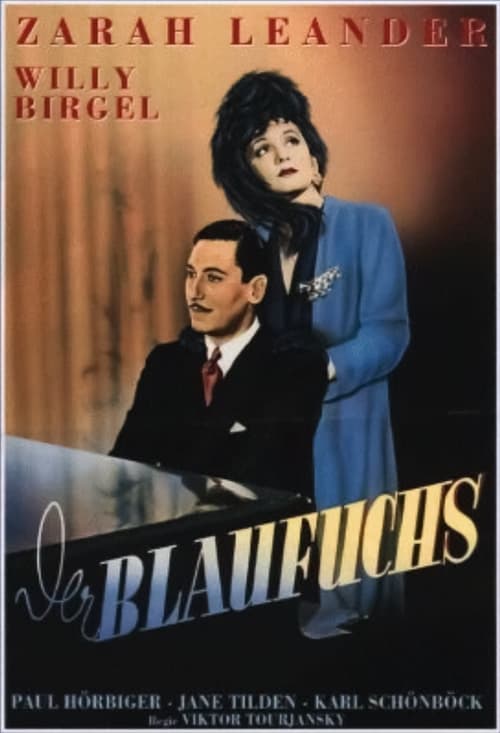
Der Blaufuchs
1938
No user ratings available yet
Representation score: 1.9 out of 10

Representation Score
Minimal
1933
Not RatedDirector
Cyril Gardner
Runtime
80 minutes
Average Rating
No ratings yetNew Showbiz Analysis
Perfect Understanding is a conventional romantic comedy-drama that reflects the social constraints of 1933. The narrative prioritizes the preservation of established social norms, particularly those related to marriage and fidelity. The film functions as a period piece that adheres to the era's standard cinematic clichés. It offers little to no disruption of prevailing cultural or gendered expectations, focusing instead on a traditional domestic conflict. Overall, the work lacks representation of diverse identities, instead centering on a monogamous, heterosexual framework that reinforces the status quo of the early sound era.
Category Breakdown
The film focuses solely on a heterosexual relationship. There is no representation of non-straight or non-cisgender identities, nor any critique of the assumption that everyone is straight or cisgender.
The plot relies on traditional gender roles. The central conflict revolves around a male character's attraction to an external woman, reinforcing conventional gender roles without challenging them.
The film likely adheres to the homogeneous casting standards of the early sound era. There is no indication of characters reflecting multiple aspects of diversity or multi-layered representation.
The story aligns with traditional Western values regarding domestic life. It emphasizes the importance of marital stability and social contracts without critiquing these conventions.
There is no mention of characters with visible or invisible disabilities within the narrative.
Present on Screen
Limited or Absent
Official Synopsis
A young couple decide to marry under the condition that they agree never to disagree. That agreement is soon put to the test when the husband finds himself attracted to a beautiful young woman.
1938

1933

1932

1937

1932

1937

1934
1933
No reviews yet. Be the first to share your thoughts on this movie!
Use the rating form above to leave a star rating and optional review.