Double Harness
1933
No user ratings available yet
Representation score: 1.8 out of 10
Representation Score
Fair
1933
UnratedDirector
Robert Florey
Runtime
67 minutes
Average Rating
No ratings yetNew Showbiz Analysis
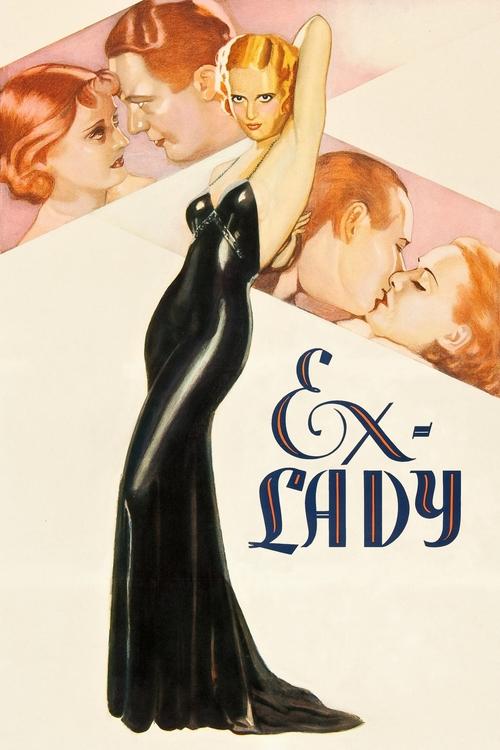
Ex-Lady is a pre-Code comedy that stands out by challenging traditional domestic norms. Centering on a female protagonist who rejects the sanctity of marriage, the film undermines the era's rigid patriarchal structures and traditional formulas. However, the film's diversity is limited by the social standards of its time, lacking representation for non-Anglo-Saxon or queer identities. Ultimately, the film delves into the complexities of human relationships and the breakdown of the traditional Western domestic ideal.
Category Breakdown
The film does not include explicit LGBTQ+ identities or characters who don't identify with their assigned gender at birth. Although it touches on infidelity and unconventional relationships, it doesn't represent these through a queer perspective.
Helen Bauer breaks traditional gender roles as a free spirit who resists domestic life. Her choice to have a lover after her husband's infidelity gives her significant control over her life.
The story focuses on a typical social class common in 1933 Hollywood. There is no indication of a racially diverse or non-Anglo-Saxon cast.
The film challenges the idea of marriage as a sacred institution by presenting it as a negotiable contract. It emphasizes personal freedom and relative morality over strict religious or cultural norms.
There is no information about characters with visible or invisible disabilities in this film.
Present on Screen
Limited or Absent
Official Synopsis
Although free spirit Helen Bauer does not believe in marriage, she consents to marry Don, but his infidelities cause her to also take on a lover.
1933
1933
1932
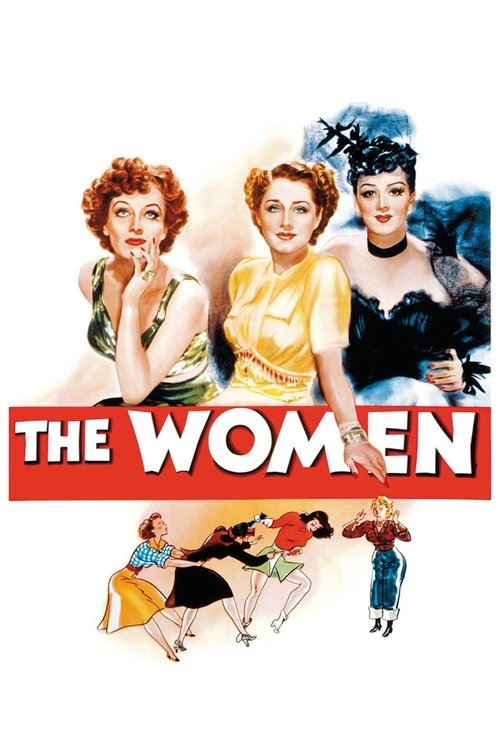
1939
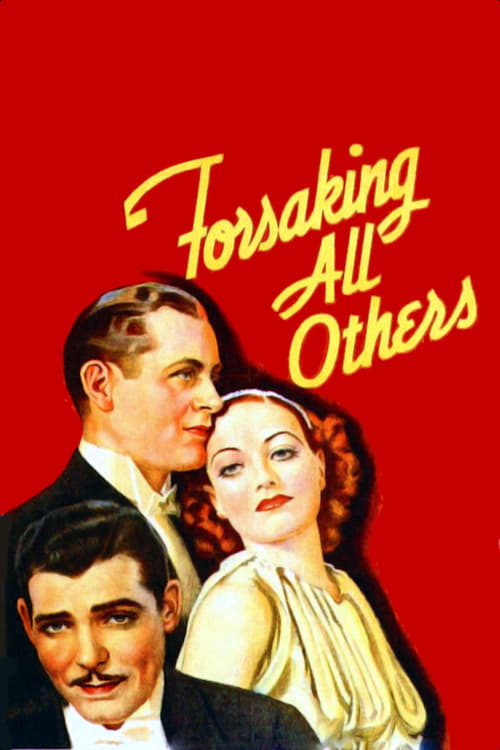
1934
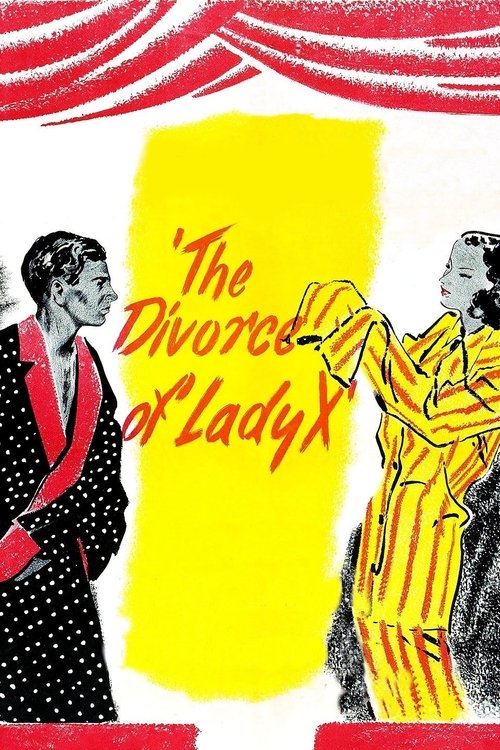
1938

1936
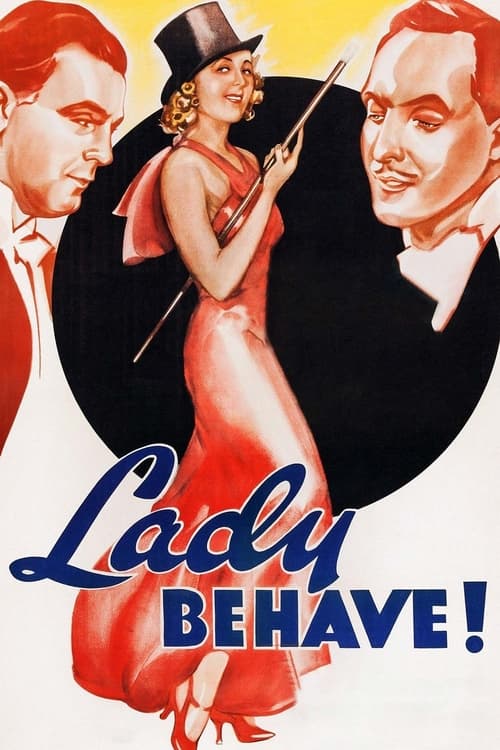
1937
No reviews yet. Be the first to share your thoughts on this movie!
Use the rating form above to leave a star rating and optional review.