Ninotchka
1939
No user ratings available yet
Representation score: 3.4 out of 10
Representation Score
Fair
1933
NRDirector
Ernst Lubitsch
Runtime
91 minutes
Average Rating
No ratings yetNew Showbiz Analysis
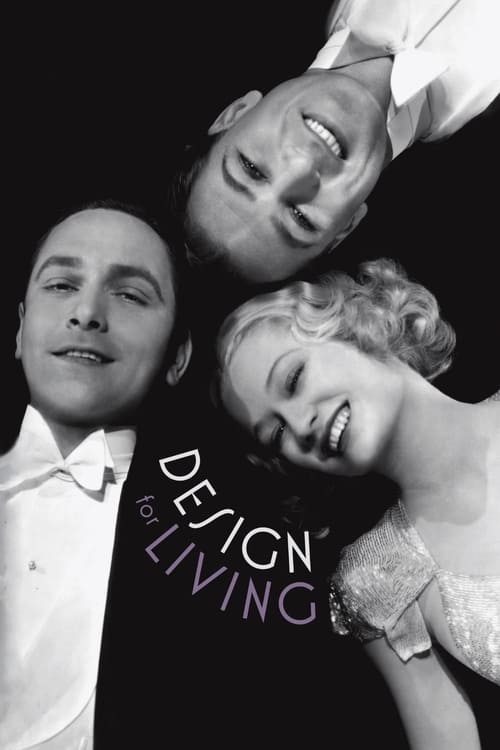
Design for Living stands as a sophisticated deconstruction of the traditional romantic narrative. Ernst Lubitsch uses visual humor to critique societal norms, replacing rigid expectations with a framework of personal autonomy and situational ethics. The film excels in its challenge to traditional gender hierarchies and conventional romantic structures. By prioritizing emotional authenticity over standard social scripts, it offers a fresh perspective on unconventional companionship. However, the film remains limited by the demographic norms of 1930s studio productions. The lack of racial and ethnic diversity within the cosmopolitan Parisian setting prevents a higher score.
Category Breakdown
The film centers a romantic relationship involving three individuals, challenging traditional romantic structures. It explores non-binary relationship dynamics that differ from conventional marriage plots.
The female lead shows strong intellect and independence. She resists the idea of choosing just one man, emphasizing her autonomy over traditional submissive roles.
The film features an ensemble cast primarily of European descent set in Paris. There is a noticeable absence of visible racial or ethnic diversity among the main characters.
The story promotes a bohemian, secular lifestyle over institutionalized morality. It positions personal happiness as more valuable than the strict rules of monogamous marriage.
There are no prominent portrayals of physical or neurodivergent disabilities that serve as central narrative drivers.
Present on Screen
Limited or Absent
Official Synopsis
Independent Gilda is resigned fo a life of married tedium when Tom and George, having gotten past their jealousy, come to America and whisk Gilda away to live an exciting polyamorous life in Paris.
1939

1942

1937
1934

1937

1942

1940
1932
No reviews yet. Be the first to share your thoughts on this movie!
Use the rating form above to leave a star rating and optional review.