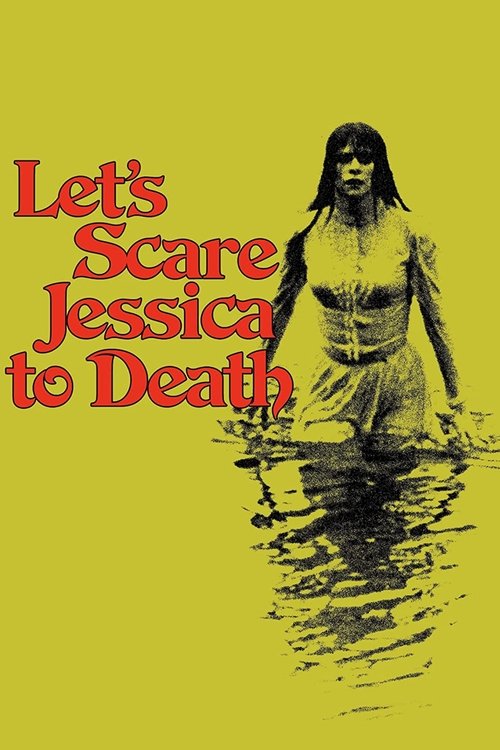
Let's Scare Jessica to Death
1971
No user ratings available yet
Representation score: 2.5 out of 10
Representation Score
Fair
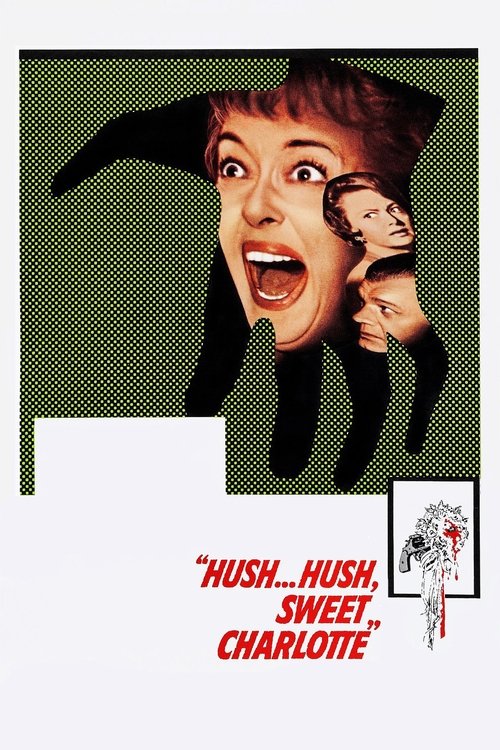
1964
ApprovedDirector
Robert Aldrich
Runtime
133 minutes
Average Rating
No ratings yetNew Showbiz Analysis
Hush... Hush, Sweet Charlotte is a character-driven film that prioritizes psychological complexity over broad demographic representation. It successfully challenges traditional gender hierarchies by emphasizing female autonomy and intellectual struggles within a mystery setting. The film's historical context limits its diversity, focusing mainly on the white Southern aristocracy and resulting in a lack of diverse racial representation. Additionally, characters of color play minor roles in the central plot. Ultimately, the film's strength lies in its narrative structure, which dismantles conventional institutions and replaces black-and-white morality with a nuanced, subjective understanding of truth.
Category Breakdown
The film does not include any LGBTQ+ characters or situations involving non-straight relationships. The interpersonal dynamics are confined to traditional family and social structures.
The story emphasizes the psychological depth of female characters and intense interactions among women. It challenges the typical male-dominated mystery genre by focusing on female perspectives.
The cast is primarily white, focusing on the decline of the white Southern aristocracy. Characters of color have limited roles in the main storyline.
The film critiques the idealized Southern family and its cultural heritage. It portrays the 'Old South' as a place marked by trauma and unresolved conflicts.
The story explores mental health and psychological trauma as consequences of broader societal and familial issues. However, it may rely on the 'madwoman' stereotype when depicting psychological instability.
Present on Screen
Limited or Absent
Official Synopsis
An aging, reclusive Southern belle plagued by a horrifying family secret descends into madness after the arrival of a lost relative.
1971
1944
1962

1961

2005
1964

1987
1972
No reviews yet. Be the first to share your thoughts on this movie!
Use the rating form above to leave a star rating and optional review.