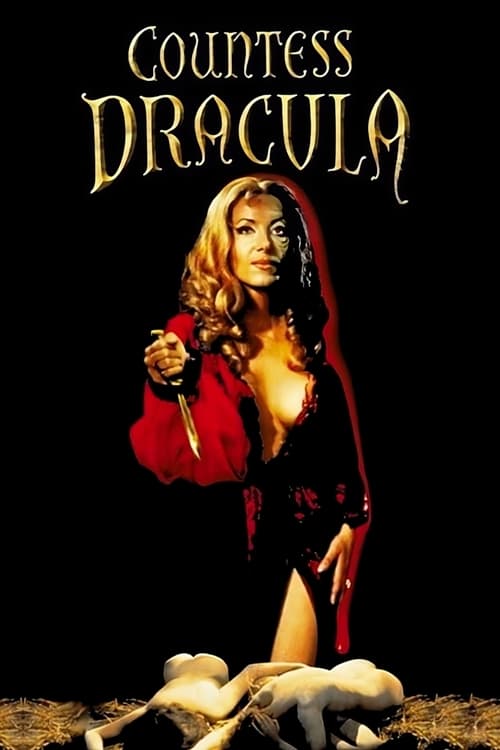
Countess Dracula
1971
No user ratings available yet
Representation score: 4.0 out of 10
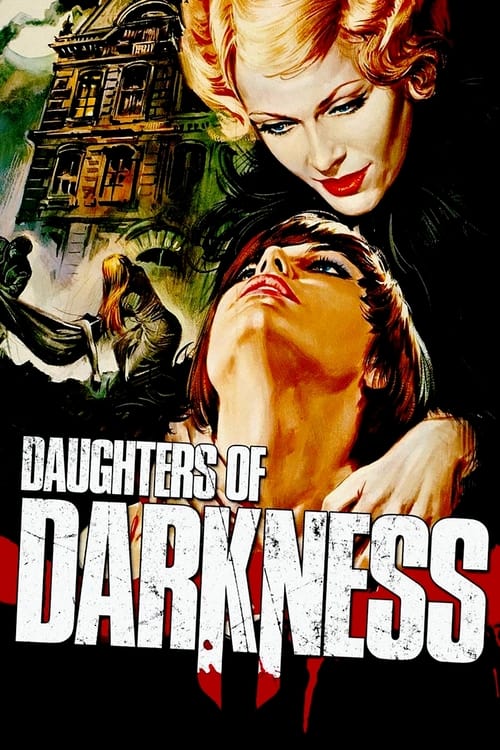
Representation Score
Fair
1971
RDirector
Harry Kümel
Runtime
100 minutes
Average Rating
No ratings yetNew Showbiz Analysis
Daughters of Darkness is a striking example of how genre cinema can subvert power dynamics even when demographic breadth is limited. The film's greatest strength lies in its radical approach to gender, replacing the typical male-dominated horror hierarchy with women's ability to drive the story and predatory control. However, the film remains tethered to the era's limitations regarding racial and LGBTQ+ representation. The cast is almost entirely homogeneous, and the narrative stays within the bounds of traditional erotic thriller clichés regarding sexual identity. Ultimately, the film's value is found in its moral complexity. By abandoning the 'good versus evil' cliché, it creates a sophisticated, secular atmosphere that challenges the standard moral frameworks of 1970s cinema.
Category Breakdown
The film centers on heterosexual themes and traditional vampire lore. It explores intense female intimacy and fluid desires but does not explicitly depict queer identities or conversations about non-straight relationships.
Women are the main drivers of the plot rather than passive characters. The Countess and Ilona exert predatory dominance and play significant roles in driving the story, challenging traditional patriarchal structures through sexual power.
The cast is a highly stylized, homogeneous European group. The narrative focuses on a specific socioeconomic class of travelers and lacks diverse racial or ethnic representation.
The film rejects binary morality, presenting characters as seductive forces of nature. It prioritizes dreamlike aesthetics and subjective experiences over traditional religious or institutional values.
There are no prominent depictions of visible or invisible disabilities serving as central character arcs or plot devices.
Present on Screen
Limited or Absent
Official Synopsis
Ostend, Belgium. In a decadent seaside hotel, Stefan and Valerie, a newlywed couple, meet the mysterious Countess Báthory and Ilona, her secretary.
1971
1936
1996
1962
1968

1969
1996

1966
No reviews yet. Be the first to share your thoughts on this movie!
Use the rating form above to leave a star rating and optional review.