Socks Appeal
1943
No user ratings available yet
Representation score: 1.2 out of 10
Representation Score
Minimal
1938
PassedDirector
Will Jason
Runtime
19 minutes
Average Rating
No ratings yetNew Showbiz Analysis
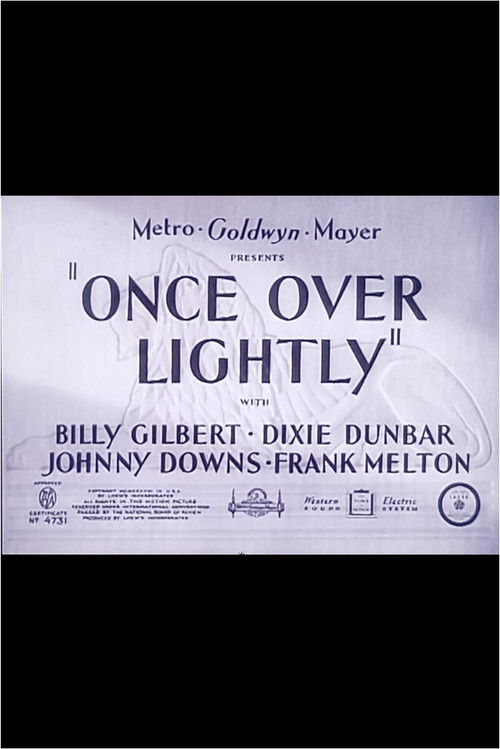
Once Over Lightly is a product of its 1938 historical context, functioning as a standard period comedy. The narrative relies on traditional comedic conflicts and romantic rivalries, reinforcing the social hierarchies of the time rather than challenging them. The film presents a localized, homogeneous worldview typical of mid-century studio productions. It lacks depth in representing diverse identities and focuses on conventional archetypes and social structures. Ultimately, the work reinforces the status quo, offering limited representation for underrepresented groups or systemic critiques.
Category Breakdown
The film does not include any characters with LGBTQ+ identities. The romantic storylines focus solely on heterosexual relationships without any queer undertones.
The characters follow traditional gender roles from the 1930s. Women play minor roles and do not challenge the dominance of men.
The cast and setting are predominantly white, reflecting a homogeneous society. There are no characters of color with significant roles or ability to act.
The story emphasizes traditional social bonds and mid-century cultural norms. It does not explore secular themes or question Western institutions.
There are no characters with visible or invisible disabilities. The film does not represent neurodivergent or physically disabled individuals.
Present on Screen
Limited or Absent
Official Synopsis
The big Barber College competition between rivals Clipton and Beardsley is coming up and everything is on the line for professor and coach Kapouris. But thanks to a secret depilatory he developed, Clipton has the edge.
1943
1932
1937
1926
1939
1933
1938
1937
No reviews yet. Be the first to share your thoughts on this movie!
Use the rating form above to leave a star rating and optional review.