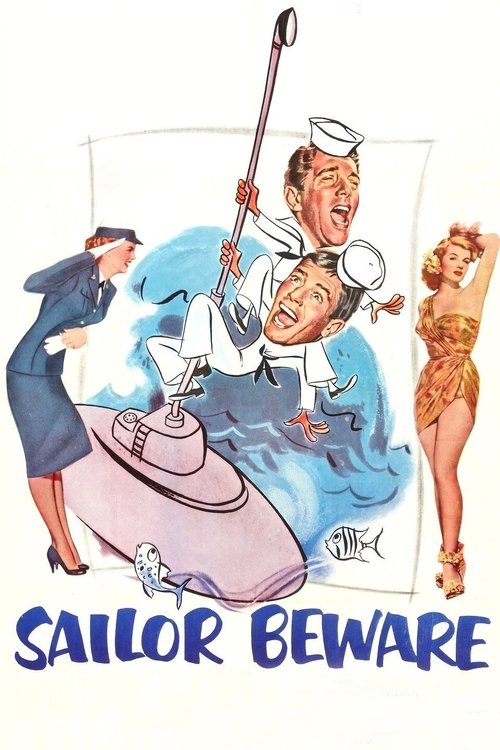
Sailor Beware
1952
No user ratings available yet
Representation score: 0.4 out of 10
Representation Score
Minimal
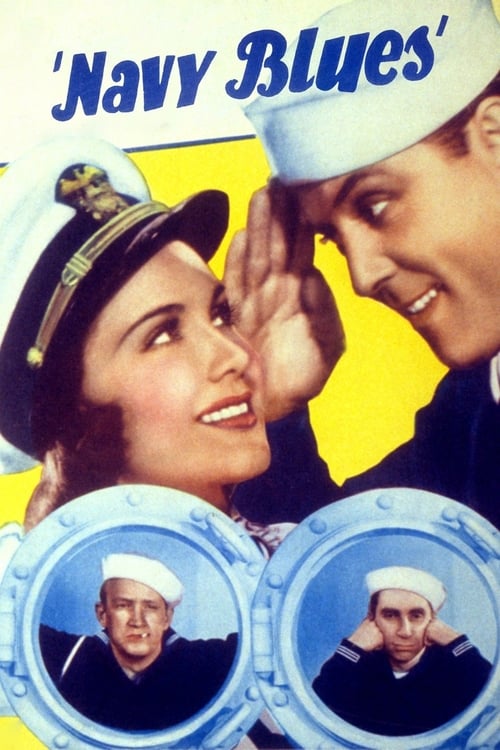
1937
ApprovedDirector
Ralph Staub
Runtime
68 minutes
Average Rating
No ratings yetNew Showbiz Analysis
Navy Blues is a period comedy that relies heavily on the conventional social hierarchies of the 1930s. The narrative structure is driven by a male-centric bet, which limits the ability to act of female characters and keeps the focus on traditional masculine camaraderie. The film lacks complexity in representing multiple aspects of identity, offering little in the way of racial, cultural, or LGBTQ+ diversity. It functions as a standard example of mid-century studio comedy, reinforcing the era's dominant social norms rather than challenging them. Ultimately, the work serves as a snapshot of mainstream entertainment from its time, prioritizing established romantic clichés and homogeneous character archetypes over diverse representation.
Category Breakdown
The film focuses solely on a heterosexual romance and a bet between male friends. There is no representation of LGBTQ+ identities or narratives that question the assumption that everyone is straight or cisgender.
The plot positions the female lead as an object of a bet rather than an active participant. While the librarian challenges bookish stereotypes, she remains a recipient of male attention.
The film likely adheres to the homogeneous casting standards of 1937. There is no indication of racial blending or non-Anglo-Saxon majority casts within the narrative.
The story centers on traditional social archetypes and masculine camaraderie among sailors. It operates within the established social and moral frameworks of 1930s mainstream comedy.
The narrative contains no mention of characters with visible or invisible disabilities.
Present on Screen
Limited or Absent
Official Synopsis
A sailor bets his friends he can get a date with any woman they choose. They pick out a librarian with glasses and a bookish appearance. When he pursues her, he discovers that she is quite beautiful and that he has competition -- but his rival has more sinister intentions than anyone imagines.
1952
1926
1934
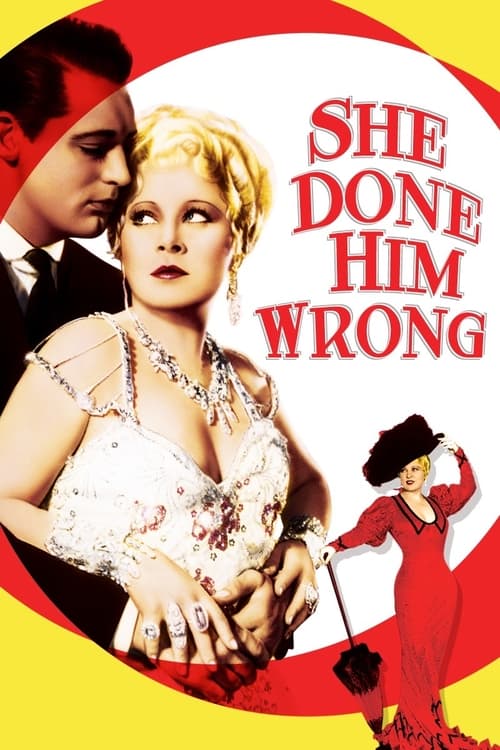
1933
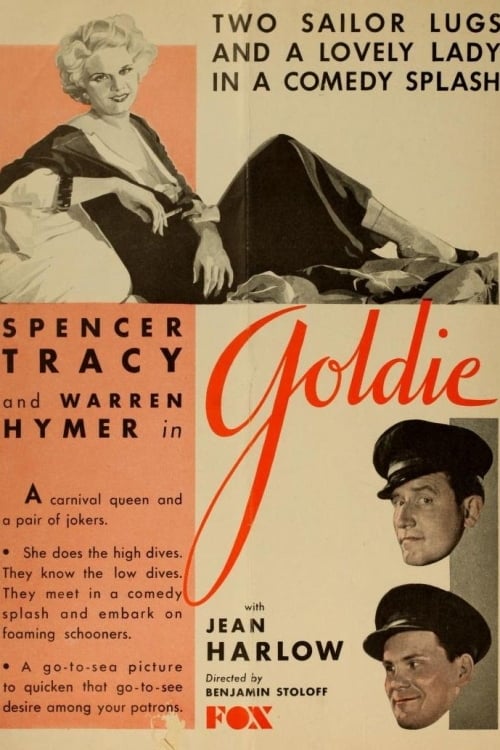
1931
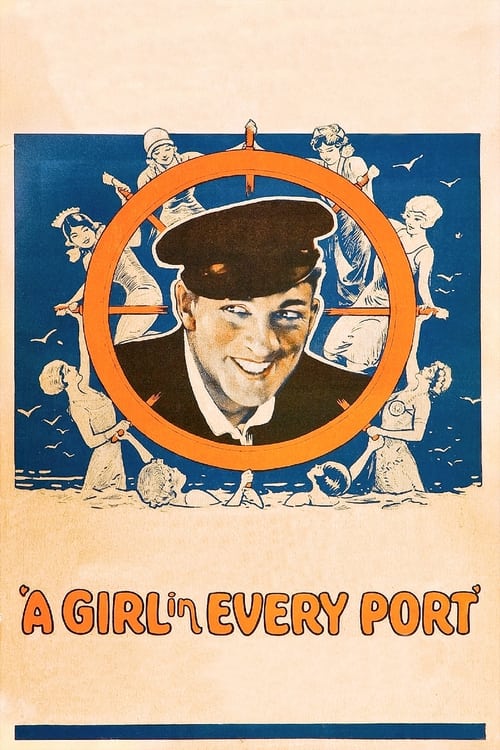
1928
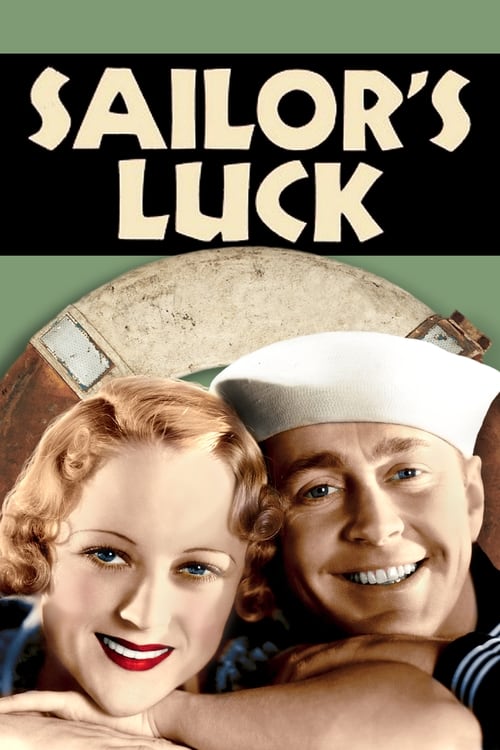
1933
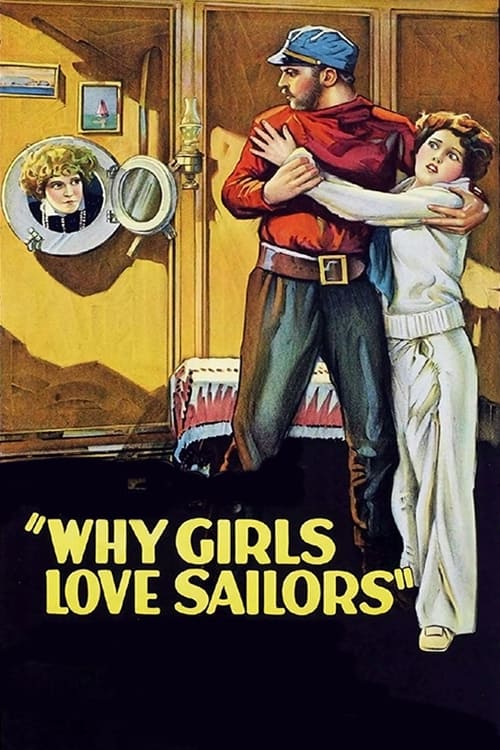
1927
No reviews yet. Be the first to share your thoughts on this movie!
Use the rating form above to leave a star rating and optional review.