
Speak Easily
1932
No user ratings available yet
Representation score: 0.4 out of 10
Representation Score
Minimal
1944
ApprovedDirector
Leslie Goodwins
Runtime
74 minutes
Average Rating
No ratings yetNew Showbiz Analysis
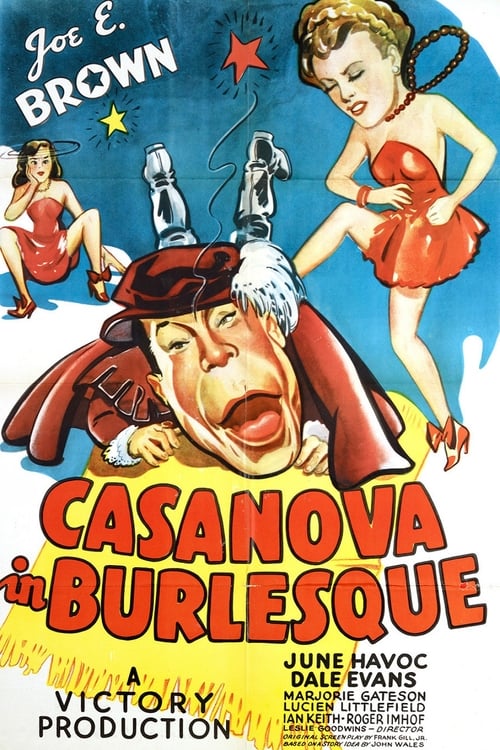
Casanova in Burlesque is a quintessential product of its era, prioritizing escapist comedy over social commentary. The film operates within the rigid social norms of 1944, reinforcing the demographic norms and traditional hierarchies common to mid-20th-century mainstream cinema. While the female lead demonstrates professional influence, the narrative structure relies on conventional romantic entanglements. The production lacks diverse representation, offering a homogeneous view of the world that aligns with the era's standard cinematic clichés.
Category Breakdown
The film follows typical mid-century romantic comedy conventions and does not include any non-binary gender identities or narratives that challenge the idea that everyone is straight or cisgender.
June Havoc’s character has significant influence as a performer. However, the story revolves around traditional romantic pursuits and gendered clichés.
The production reflects the homogeneous casting norms of the 1940s. There are no non-white characters or characters from diverse backgrounds with significant roles.
The setting focuses on the world of show business and theatrical performance during wartime. It offers escapism rather than social or cultural critique.
The narrative does not feature any characters with visible or invisible disabilities. The focus remains on the musical and comedic talents of the main actors.
Present on Screen
Limited or Absent
Official Synopsis
A stripper (June Havoc) discovers a professor (Joe E. Brown) spends summer teaching Shakespeare and winter as a burlesque comic.
1932
1958
1952
1934
1956
1941
1955
1955
No reviews yet. Be the first to share your thoughts on this movie!
Use the rating form above to leave a star rating and optional review.