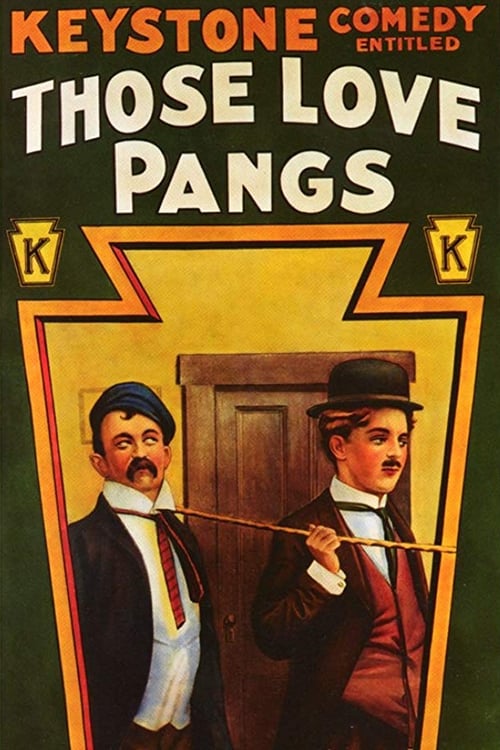
Those Love Pangs
1914
No user ratings available yet
Representation score: 1.4 out of 10
Representation Score
Minimal
1919
NRDirector
Alfred J. Goulding
Runtime
11 minutes
Average Rating
No ratings yetNew Showbiz Analysis
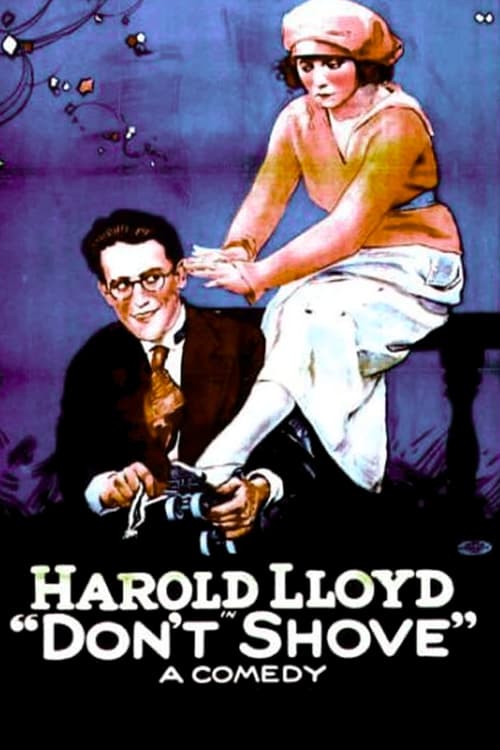
Don't Shove is a product of its era, prioritizing slapstick physical humor and traditional romantic archetypes over social complexity. The narrative structure relies on a standard conflict between two men competing for a woman's attention, which limits the scope of representation. The film adheres to the conventional social hierarchies of the early 20th century. It lacks intentional subversion of norms, focusing instead on situational comedy within domestic and public settings like a skating rink. Ultimately, the work functions as a period-typical comedy that lacks depth in representing diverse identities and perspectives.
Category Breakdown
The film centers on a heterosexual romantic rivalry and does not include any characters with non-cisgender identities or critiques of the assumption that everyone is straight.
Bebe serves as a central object of desire for two male rivals, reinforcing traditional structures where women play secondary roles to male competition.
The film likely reflects the homogeneous casting standards of early Hollywood, with no indication of a diverse or non-Anglo-Saxon majority cast.
The narrative adheres to the conventional social norms of 1919, focusing on comedic conflicts without exploring deeper moral or cultural themes.
There is no evidence of characters with visible or invisible disabilities, nor is disability used as a narrative device in this work.
Present on Screen
Limited or Absent
Official Synopsis
Harold and his rival fight over Bebe on her birthday, first at her home and then at a nearby skating rink.
1914
1927
1915
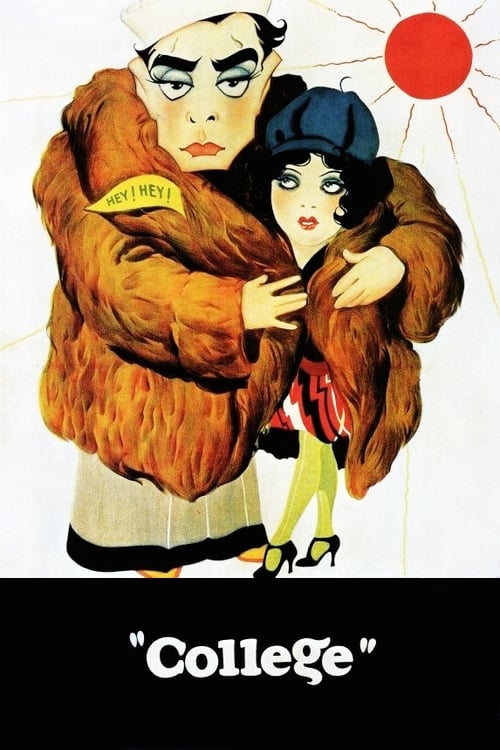
1927
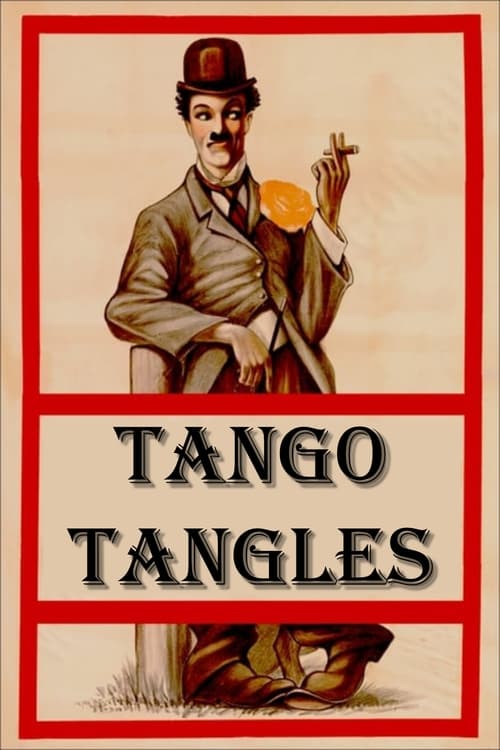
1914
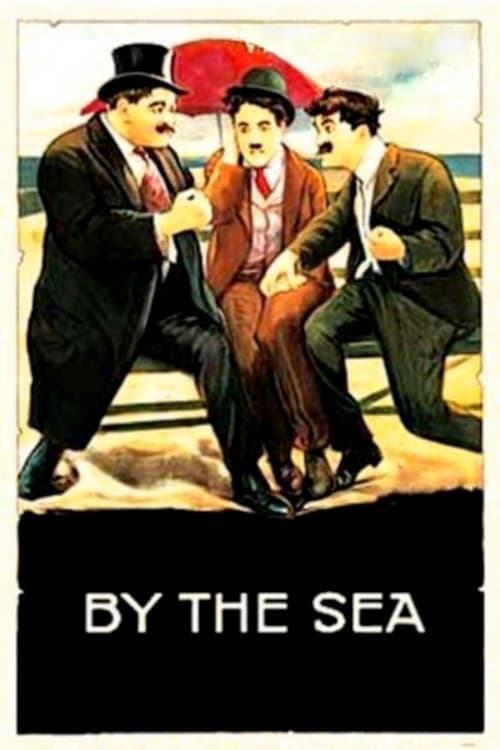
1915
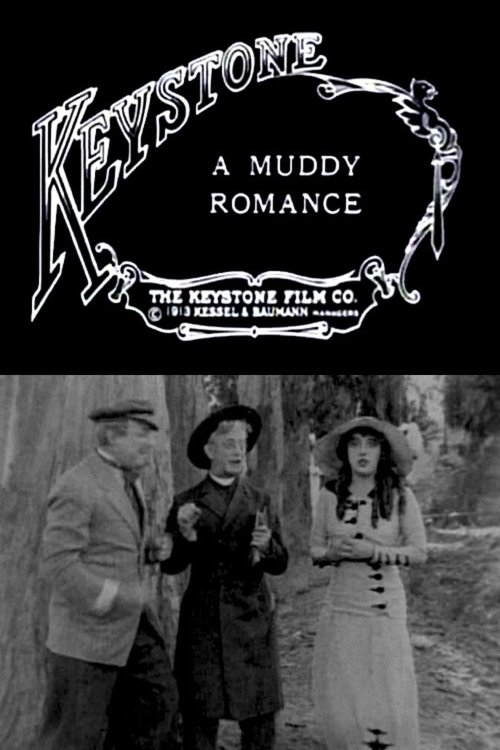
1913

1914
No reviews yet. Be the first to share your thoughts on this movie!
Use the rating form above to leave a star rating and optional review.