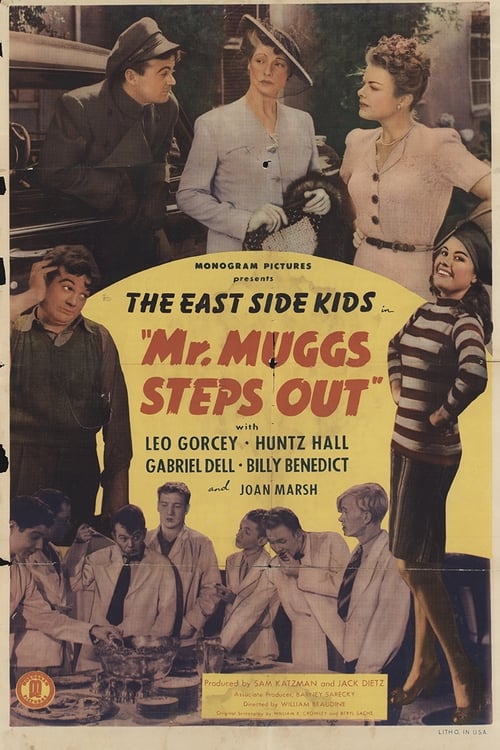
Mr. Muggs Steps Out
1943
No user ratings available yet
Diversity score: 2.6 out of 10
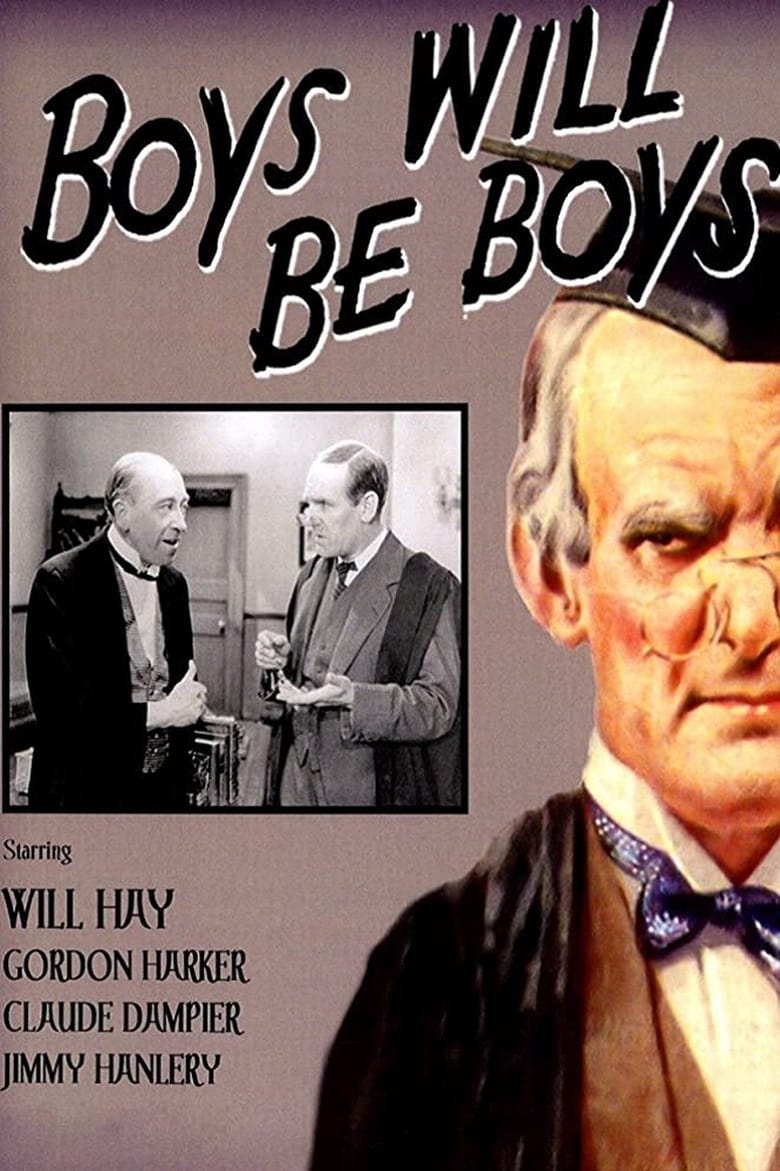
1935
Not RatedDirector
William Beaudine
Runtime
80 minutes
Average Rating
No ratings yetSynopsis
Alec Smart, who is engaged teaching in a prison, applies for the job of headmaster at a nearby public school to replace the previous headmaster who has been convicted of writing forged cheques and has just been sent to prison. Smart appeals to the Governor to write him a good reference which he pretends to. Afterwards he writes his real recommendation which is very negative about Smart's talents. The trustee who works as the Governor's secretary, Faker Brown, "accidentally" gets the two letters mixed up and delivers the one praising Smart. On the basis of the letter, Lady Dorking, the who runs the Board of Governors appoints Smart to the job. This angers her deputy, Colonel Crableigh, who had favoured promoting his nephew, the Deputy head.
Overall Score
Limited
Category Breakdown
LGBTQ+ Representation
The film lacks any presence of queer narratives or non-cisnormative identities. It operates entirely within a traditional heteronormative framework typical of 1930s studio comedies.
Gender Representation
Male-centric authority and adolescent dynamics dominate the hierarchy. While Lady Dorking holds institutional power, female characters largely occupy secondary or reactionary roles within the narrative.
Racial & Ethnic Diversity
The cast is homogeneous, reflecting the cinematic standards of 1935. The British-style boarding school setting reinforces a traditional, Anglo-centric social environment without diverse ethnic perspectives.
Religious & Cultural Diversity
The plot adheres to conventional social structures and moral boundaries. It focuses on institutional stability and comedic mischief rather than critiquing Western institutions or social norms.
Disability Representation
There is no evidence of characters with visible or invisible disabilities. The cast consists of able-bodied individuals, and disability is not a central theme.
Strengths
Areas for Improvement
AI Analysis
Boys Will Be Boys is a product of its era, functioning as a standard period comedy that reinforces traditional social hierarchies. The narrative prioritizes established comedic tropes of the 1930s over any attempt to expand demographic scope. The film maintains a homogeneous cast and a strictly heteronormative framework. It lacks the intentionality required to disrupt conventional expectations regarding race, gender, or identity, focusing instead on institutional mischief and male agency. Ultimately, the production reflects the limited social perspectives of mid-1930s cinema, offering a narrow view of the world that aligns with the era's dominant demographic norms.
1943
1943
1938
1934
1947
1935

1959
1936

1947
1935
1927
1937
No reviews yet. Be the first to share your thoughts on this movie!
Use the rating form above to leave a star rating and optional review.