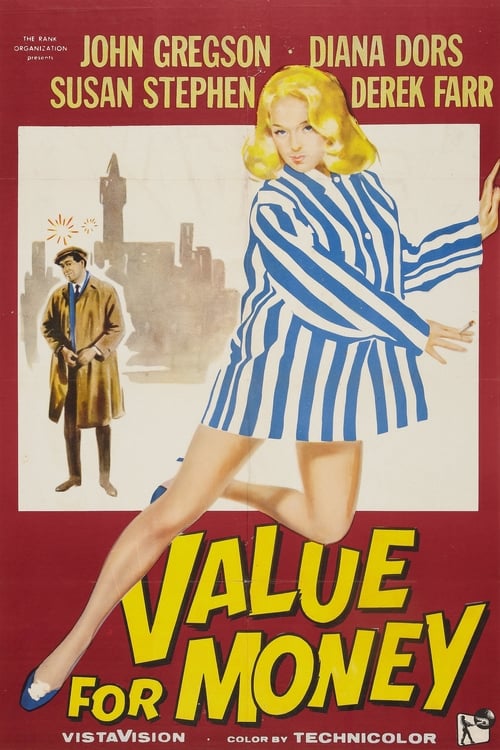
Value for Money
1955
No user ratings available yet
Diversity score: 1.4 out of 10
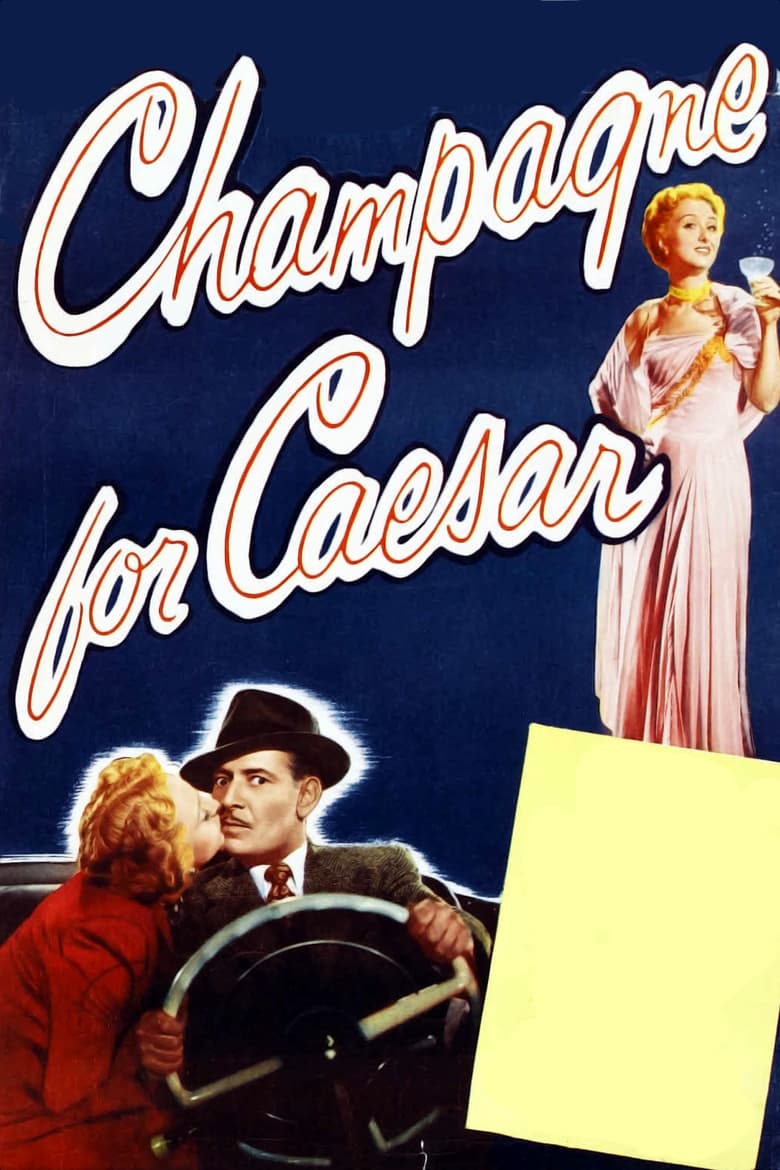
1950
NRDirector
Richard Whorf
Runtime
99 minutes
Average Rating
No ratings yetSynopsis
When jobless genius Beauregard Bottomley interviews with Burnbridge Waters for a position at Waters' soap company, the owner rudely turns Bottomley down. As revenge, Bottomley enters a TV quiz show that Waters' company sponsors, with the goal of winning until he bankrupts the businessman. When Bottomley keeps acing the questions, becoming a media sensation, Waters desperately calls on vixen Flame O'Neal to uncover Bottomley's area of weakness.
Overall Score
Limited
Category Breakdown
LGBTQ+ Representation
The film lacks LGBTQ+ characters or non-heteronormative identities. There is no evidence of queer subtext or any disruption to the heteronormative social structures of the era.
Gender Representation
The story centers on a masculine conflict of economic dominance between two men. While Flame O'Neal shows agency as a vixen, she primarily serves as a tool for the antagonist.
Racial & Ethnic Diversity
The cast appears homogeneous, reflecting the production standards of 1950. The narrative focuses on socioeconomic class rather than diverse ethnic representation or racial dynamics.
Religious & Cultural Diversity
The plot operates within a framework of Western capitalist competition and media influence. It uses corporate sponsorship and wealth as a comedic playground without challenging underlying institutional morality.
Disability Representation
There is no evidence of characters with visible or invisible disabilities. No such identities are utilized as central plot devices or subjects of representation.
Strengths
Areas for Improvement
AI Analysis
Champagne for Caesar is a quintessential product of its time, adhering strictly to the social and racial hierarchies of 1950s Hollywood. The narrative is driven by individualistic socioeconomic rivalry and traditional comedic archetypes, offering almost no disruption to established power structures. The film's focus remains on the intellectual and economic battle between two men, which reinforces traditional masculine hierarchies. While the satire touches on the absurdity of quiz shows, it stays within the bounds of conventional Western capitalist values. Ultimately, the lack of diverse representation across gender, race, and identity reflects the era's narrow cinematic scope, prioritizing class-based conflict over systemic social critique.
1955
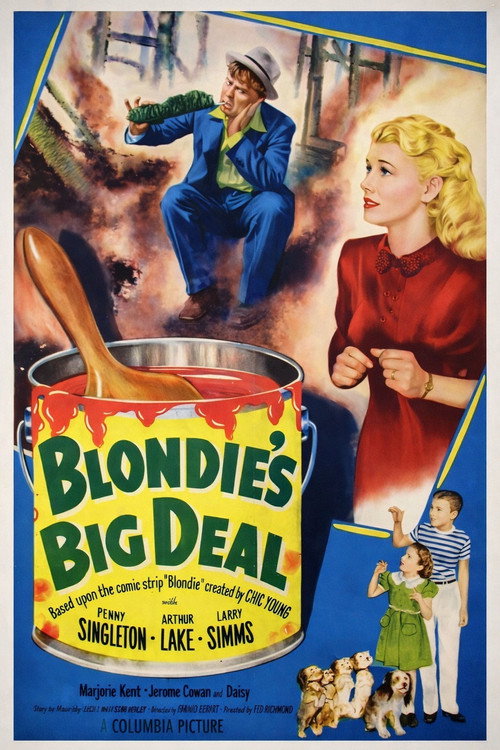
1949
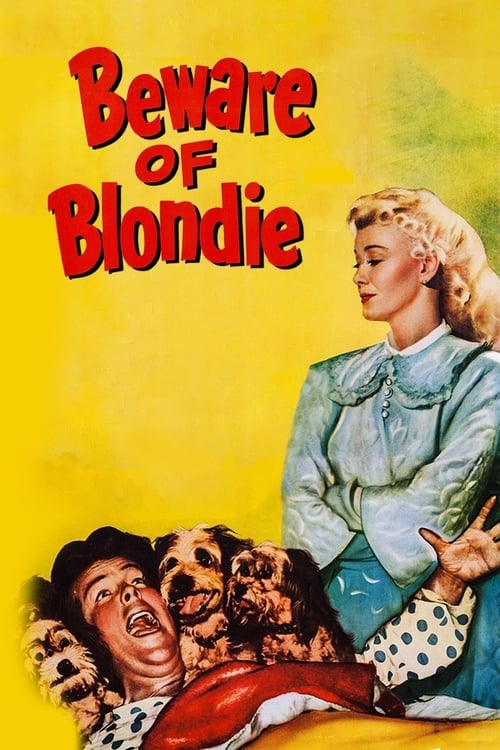
1950
1938
1942
1937
1938
1949
1949
1959
1947

1940
No reviews yet. Be the first to share your thoughts on this movie!
Use the rating form above to leave a star rating and optional review.