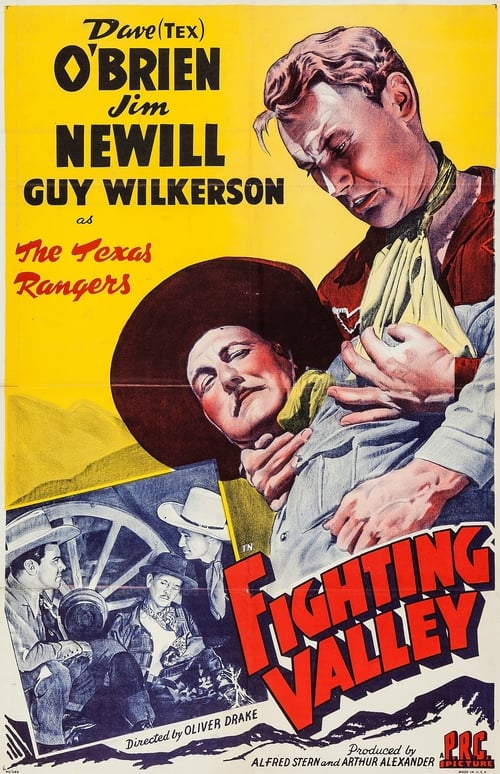
Fighting Valley
1943
No user ratings available yet
Representation score: 0.5 out of 10

Representation Score
Minimal
1942
ApprovedDirector
Robert Emmett Tansey
Runtime
55 minutes
Average Rating
No ratings yetNew Showbiz Analysis
Where Trails End functions as a typical wartime B-Western, emphasizing patriotic sentiment over social complexity. The narrative revolves around a clear moral dichotomy, pitting American heroes against Nazi villains to reinforce nationalistic ideals. The film upholds the traditional social hierarchies of its era. It lacks any intentionality regarding diverse representation, focusing instead on preserving existing power structures and defending domestic resources like tungsten deposits. Ultimately, the film serves as a vehicle for traditional storytelling. It relies on established genre clichés and a binary social structure that offers little room for diverse perspectives or nuanced character development.
Category Breakdown
The film follows the straight-centered conventions typical of 1940s Westerns. There is no representation of LGBTQ+ identities or non-straight gender expressions.
The male protagonist holds the primary role, while female characters are confined to supporting or domestic duties within traditional hierarchies.
The story uses a wartime propaganda lens to frame conflict, centering on a homogeneous group protecting American interests against Nazi enemies.
The narrative emphasizes patriotism and the protection of private property, promoting a singular morality focused on defending American land and resources.
No characters with visible or invisible disabilities are portrayed with ability to act. Disability does not serve as a driver for character development here.
Present on Screen
Limited or Absent
Official Synopsis
Prince the wonder horse and his gallant rider gallop off to protect hapless ranchers from the ruthless Nazi bad guys who are trying to steal their land so they can exploit the valuable tungsten deposits in this WW II western. Mayhem ensues, but soon the villains are vanquished and America's tungsten deposits are safe once more.
1943
1943
1944
1942
1927
1942
1944
1950
No reviews yet. Be the first to share your thoughts on this movie!
Use the rating form above to leave a star rating and optional review.