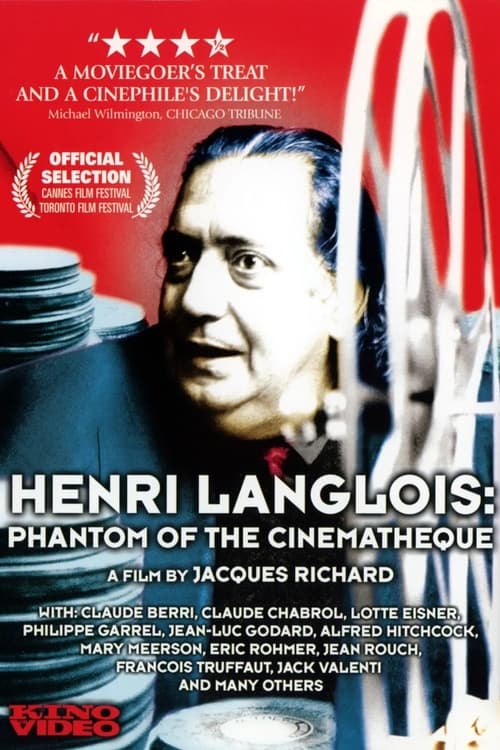
Henri Langlois: The Phantom of the Cinémathèque
2005
No user ratings available yet
Representation score: 4.9 out of 10
Representation Score
Fair
1995
Director
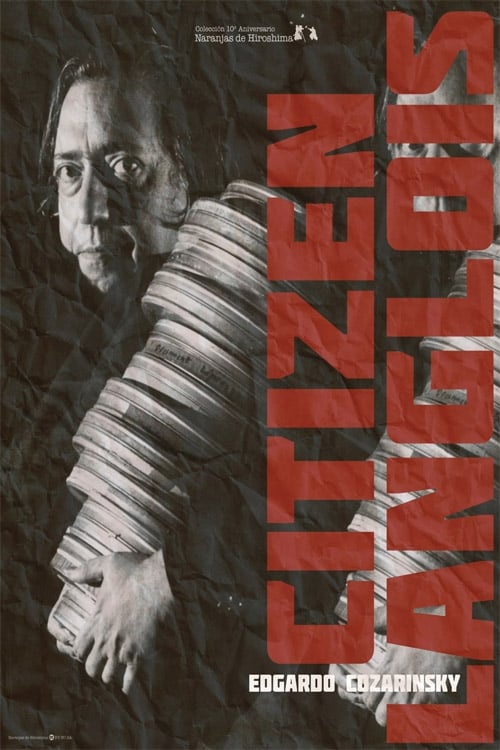
Edgardo Cozarinsky
Runtime
69 minutes
Average Rating
No ratings yetNew Showbiz Analysis
Citizen Langlois serves as a specialized cinematic essay rather than a broad demographic study. It reframes historical preservation as an act of individualistic resistance against formal institutions. However, the film remains centered on a Eurocentric and male-centric view of cinema history. Its focus on the professional and personal eccentricities of a single man limits its broader social representation. Ultimately, the work's value lies in its postmodern narrative disruption rather than its demographic breadth.
Category Breakdown
The film highlights a non-conventional lifestyle through the eccentricities of Langlois. While it suggests a move away from traditional heterosexual norms, it doesn't focus heavily on same-sex relationships.
The story focuses primarily on a single male figure and his connection to male-dominated film history. It emphasizes the intellectual ability to act of men while offering limited challenges to traditional gender roles.
The subject matter is rooted in Western film history and the French cinematic tradition. There is no indication of diverse casting or racialized character arcs within this historical context.
The film questions traditional views of institutional authority by celebrating a chaotic, individualistic approach to preserving film history. It contrasts this with the narrative structure of Citizen Kane.
There is no clear focus on physical or neurological disabilities as central elements of the narrative in this documentary.
Present on Screen
Limited or Absent
Official Synopsis
This French documentary pays homage to a young man whose passion left a rich and valuable legacy to the world of cinema. Henri Langlois was one of the co-founders of the Cinematheque Francaise, a museum which contains many rare artifacts from early cinema as well as one of the most extensive film archives in the world. This documentary will be most meaningful for those already familiar with Langlois' story. Through old film clips and interviews, Langlois is seen as an eccentric but charismatic young visionary obsessed with preserving and locating old films. Filmmaker Edgardo Cozarinsky uses scenes from Citizen Kane to compare the portly iconoclast to Charles Foster Kane, in that both Langlois and Welle's fictional newspaper magnate where avid collectors, and both were men of mystery.
2005
2003
1989
1995
2018

2012
2015
2023
No reviews yet. Be the first to share your thoughts on this movie!
Use the rating form above to leave a star rating and optional review.