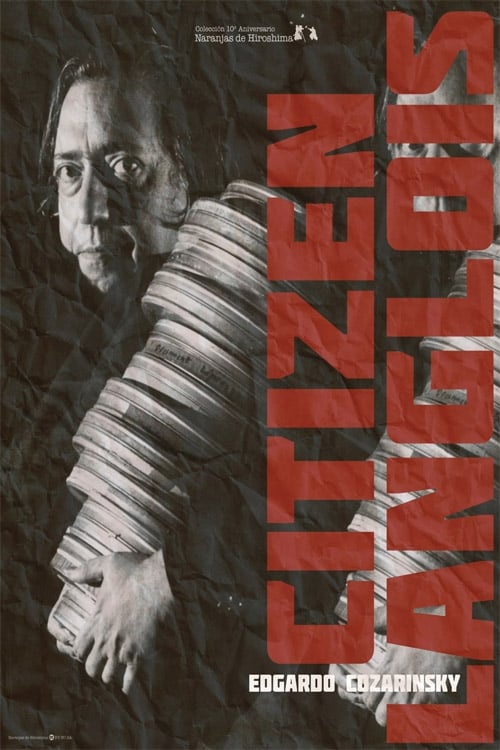
Citizen Langlois
1995
No user ratings available yet
Representation score: 5.1 out of 10
No Poster Available
Representation Score
Fair
1989
Director
André Delvaux
Runtime
8 minutes
Average Rating
No ratings yetNew Showbiz Analysis
André Delvaux’s documentary is a formalist meditation on cinema that prioritizes aesthetic texture over sociopolitical activism. It functions as an experimental collage, using archival fragments to explore the act of preservation and the re-contextualization of historical imagery. The film excels at challenging linear history through a postmodern montage. While it disrupts traditional narrative structures, it lacks the explicit demographic breadth found in more contemporary works. Ultimately, the film's diversity is limited by its reliance on early European archives, which inherently reflects the Eurocentric constraints of the era's cinematic history.
Category Breakdown
The film includes iconic figures like Louise Brooks, allowing for a re-reading of historical figures outside the assumption that everyone is straight or cisgender. However, it lacks explicit depictions of same-sex intimacy or real depth for LGBTQ+ characters.
The film challenges traditional patriarchal hierarchies by centering the sensory experience of the frame and elevating female icons. It moves away from the 'great man' theory of directing to focus on feminine-coded beauty.
The selection relies heavily on early European cinematic fragments from the Royal Film Archive of Belgium. This results in a predominantly Eurocentric visual palette with little evidence of racial blending.
The work presents a secular, academic, and postmodern approach to history. It treats the archive as a fluid, reconstructible experience rather than a static, authoritative monument of Western culture.
As a documentary montage, the film lacks character-driven narratives. There are no specific portrayals of disability to assess within this experimental structure.
Present on Screen
Limited or Absent
Official Synopsis
An ode to film preservation, it presents a night-time visit to a seemingly depopulated repository (presumably the Royal Film Archive of Belgium), juxtaposing a series of images of observation, reconstruction, and projection using film fragments - from the hand-painted, altered image frames of Georges Méliès' Kingdom of the Fairies to the iconic image of Louise Brooks - to turn the archive into a temporal wonderland of novel discoveries, hidden treasure, re-awakened curiosity, and critical re-assessment.
1995
1983
2005
2003
1956
2016
2006
1989
No reviews yet. Be the first to share your thoughts on this movie!
Use the rating form above to leave a star rating and optional review.