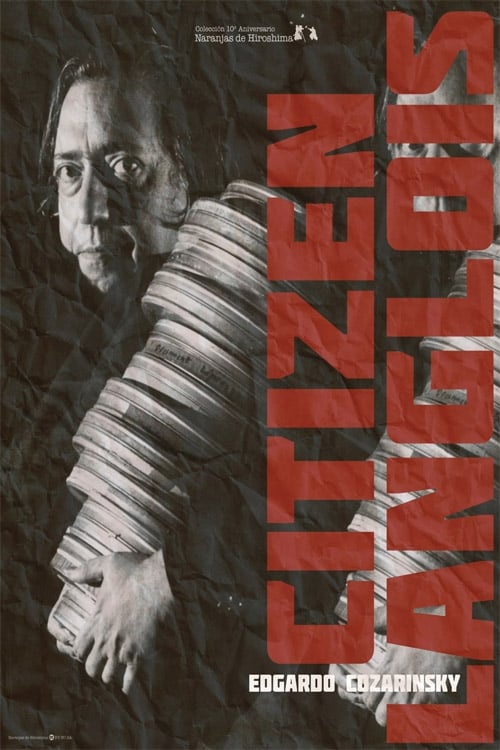
Citizen Langlois
1995
No user ratings available yet
Representation score: 5.1 out of 10
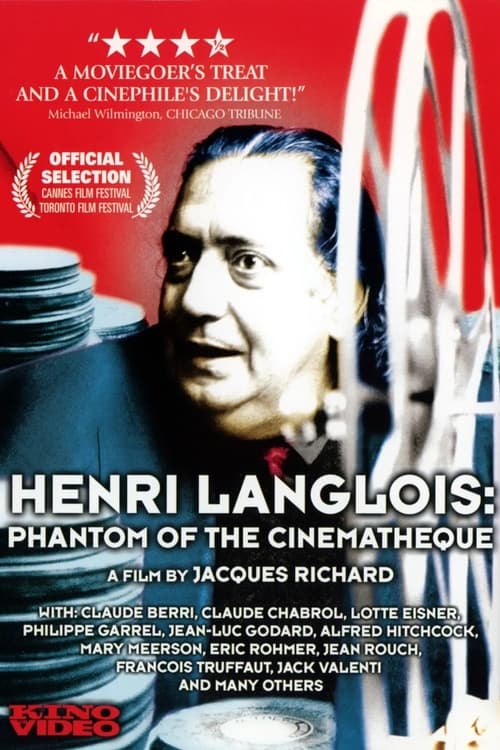
Representation Score
Fair
2005
Director
Jacques Richard
Runtime
128 minutes
Average Rating
No ratings yetNew Showbiz Analysis
This documentary primarily serves as a historical account of Henri Langlois and the Cinémathèque Française. Its strength lies in its broad, non-linear exploration of film history rather than modern social issues. While the film avoids a single, dominant cultural narrative by celebrating archival fragments, it is limited by its focus on a single historical figure. This focus restricts the representation of various genders and identities. The work successfully challenges official cinematic hierarchies through its emphasis on preservation, but it remains anchored in a traditionally European perspective.
Category Breakdown
The film does not explicitly depict non-straight relationships or challenge the assumption that everyone is straight. It lacks narratives that question traditional views on sexuality and gender.
The story centers around Langlois, which might emphasize traditional male leadership roles from a past era. It reflects a time when film curation was dominated by men.
The documentary likely includes a variety of international film histories. However, its focus on a French founder keeps the perspective primarily European.
The film explores the breakdown of traditional cultural institutions. It highlights underrepresented cinematic voices by emphasizing the preservation of film history.
The film does not address neurodivergence, physical disabilities, or mental health conditions as central themes or through character actions.
Present on Screen
Limited or Absent
Official Synopsis
Life and work of the founder of the Cinémathèque Française.
1995
2008
1968

2004
1984
2012
2006
2001
No reviews yet. Be the first to share your thoughts on this movie!
Use the rating form above to leave a star rating and optional review.