
David Lynch: The Art Life
2017
No user ratings available yet
Representation score: 5.5 out of 10
Representation Score
Fair
1995
Director
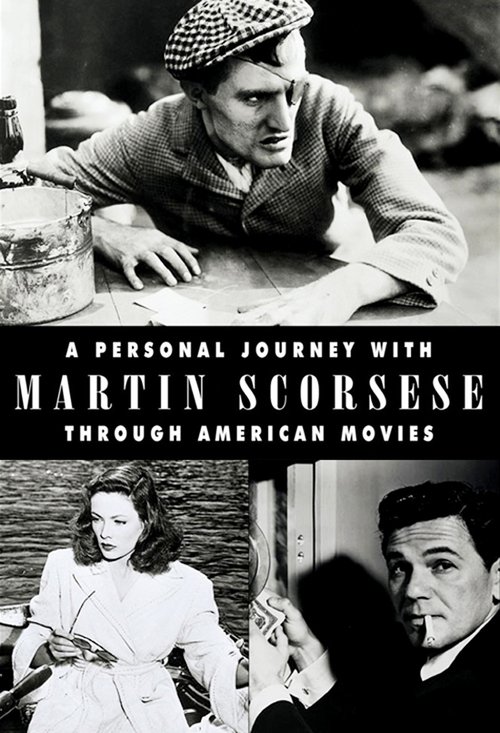
Martin Scorsese, Michael Henry Wilson
Runtime
225 minutes
Average Rating
No ratings yetNew Showbiz Analysis
This documentary serves as a scholarly look at American film history rather than a vehicle for contemporary identity politics. It functions as a postmodern deconstruction of the medium, examining how cinematic language and archetypes have evolved over time. The moderate scores reflect the inherent limitations of the historical subject matter. Because the film covers the silent era through the 1970s, it must deal with the systemic homogeneity and strict social constraints of those times. Ultimately, the work offers intellectual sophistication regarding visual storytelling. It provides the groundwork for understanding how traditional hierarchies in film have been challenged and reshaped through the evolution of the image.
Category Breakdown
The film doesn't center LGBTQ narratives but explores how characters navigated the constraints of the assumption that everyone is straight or cisgender during the silent era and through the 1970s.
It examines the evolution of female roles in cinema, from passive archetypes in early films to the more complex and psychologically rich women of the New Hollywood era.
As a survey of American cinema from the silent era to the 1970s, the film highlights the systemic homogeneity of that period and how genres used or sidelined ethnic identities.
The documentary focuses on the complexity of the human condition and the aesthetics of cinema, rather than adhering to monolithic religious frameworks.
There are no specific character arcs or depictions of disability to evaluate within this documentary essay series.
Present on Screen
Limited or Absent
Official Synopsis
Martin Scorsese celebrates American movies from the silent classics to the Hollywood of the seventies.
2017
2016
2019

2017
2009
2018

2004
2019
No reviews yet. Be the first to share your thoughts on this movie!
Use the rating form above to leave a star rating and optional review.