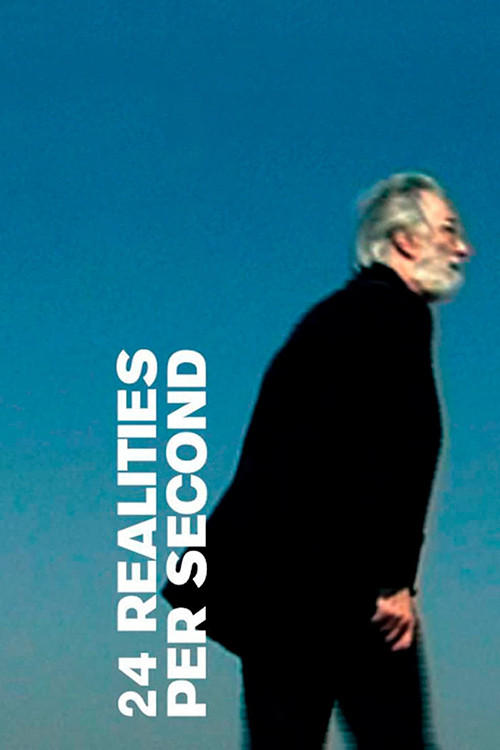
24 Realities per Second
2005
No user ratings available yet
Representation score: 3.5 out of 10

Representation Score
Limited
2003
UnratedDirector
Jørgen Leth, Lars von Trier
Runtime
88 minutes
Average Rating
No ratings yetNew Showbiz Analysis
The film is a specialized study in cinematic architecture that operates within a narrow, Eurocentric, and male-dominated intellectual sphere. While it offers high intellectual complexity, it prioritizes postmodern deconstruction over demographic representation. Its strength lies in its disruption of traditional narrative authority and its embrace of subjective, non-linear truths. However, the work lacks the multi-layered breadth required for a higher aggregate score.
Category Breakdown
The film focuses on a meta-cinematic dialogue between two male directors. It lacks explicit LGBTQ+ characters or narratives centered on non-straight relationships.
The narrative architecture centers almost exclusively on the creative ability to act of two men. It lacks women's ability to drive the story or the subversion of gender hierarchies.
The cast and creative focus are homogeneous, reflecting a specific European art-house context. There is no evidence of diverse racial identities within this framework.
The film excels in promoting postmodern subjectivity and moral relativism. It disrupts singular truths by framing the creative process through a series of obstructions.
There is no discernible focus on physical or neurodivergent representation. The film's inquiry into human limitations is philosophical rather than a representation of lived disability.
Present on Screen
Limited or Absent
Official Synopsis
In 1967, experimental filmmaker Jorgen Leth created a striking short film, The Perfect Human, starring a man and women sitting in a box while a narrator poses questions about their relationship and humanity. Years later, Danish director Lars von Trier made a deal with Leth to remake his film five times, each under a different set of circumstances and with von Trier's strictly prescribed rules. As Leth completes each challenge, von Trier creates increasingly further elaborate stipulations.
2005

1999
2005

2008
1997

2012

2011

2008
No reviews yet. Be the first to share your thoughts on this movie!
Use the rating form above to leave a star rating and optional review.