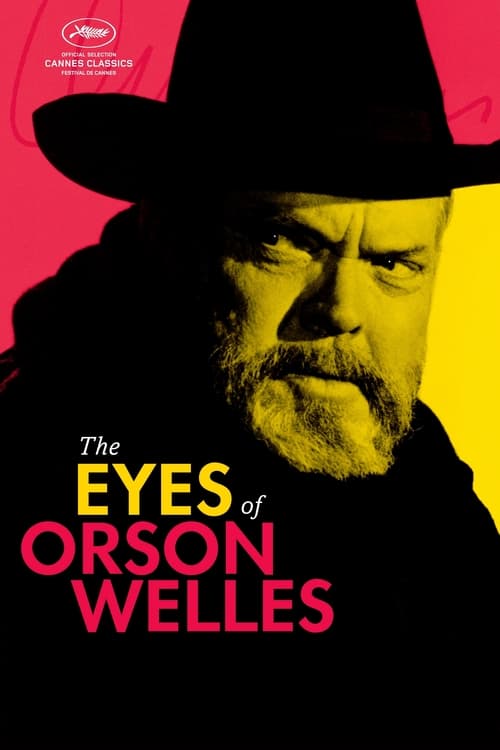
The Eyes of Orson Welles
2018
No user ratings available yet
Representation score: 4.3 out of 10
Representation Score
Fair
2015
Director
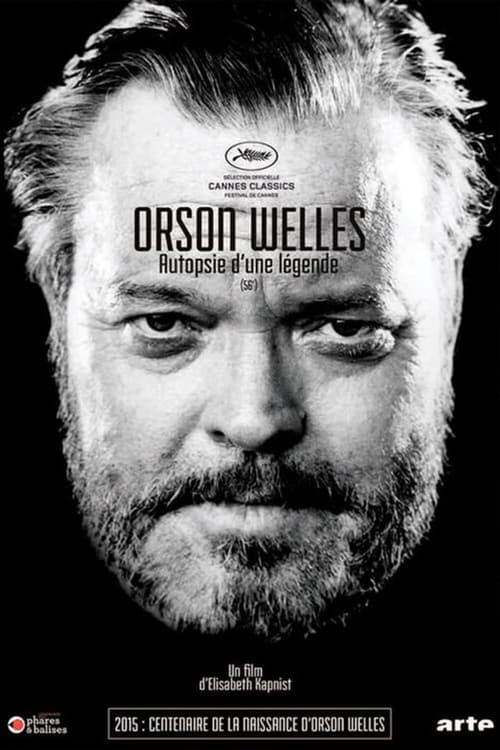
Elisabeth Kapnist
Runtime
56 minutes
Average Rating
No ratings yetNew Showbiz Analysis
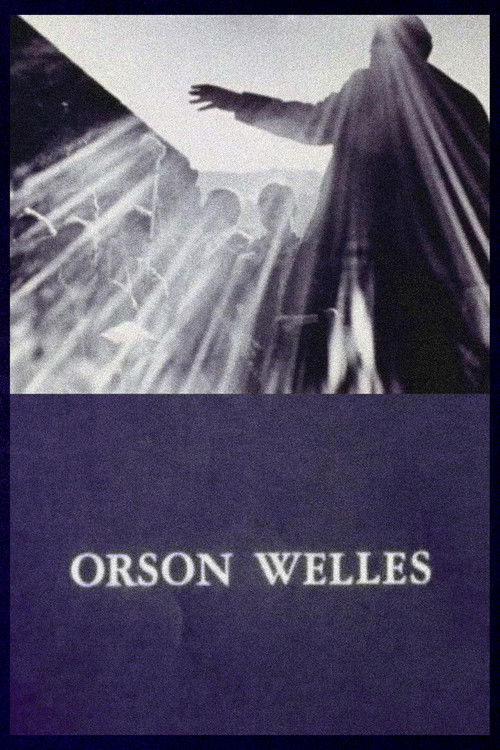
Orson Welles: Shadows & Light is a biographical study that dismantles traditional hagiography. It focuses on the internal world of Welles's imagination, using a fragmented narrative to deconstruct his public image. While the film challenges conventional biographical storytelling, it remains rooted in a specific Western cultural context. The emphasis is on a singular male figure, limiting broader diversity representation. Ultimately, the film serves as a psychological exploration rather than a diverse social commentary.
Category Breakdown
The film delves into the inner workings of Orson Welles's mind but does not explore queer relationships or non-straight identities.
The documentary centers around a traditional masculine figure and does not show strong roles for women or challenge gender hierarchies.
The story adheres to mid-20th century Western filmmaking traditions and does not include a diverse cast or explore multiple racial backgrounds.
The film uses a postmodern approach to break down a Western icon, focusing on subjective morality and psychological perspectives rather than traditional patriotism.
The documentary does not address neurodivergence, mental health issues, or physical disabilities.
Present on Screen
Limited or Absent
Official Synopsis
Giant of cinema, the embodiment of creation, Orson Welles is the man who reinvents the film language at 24-years old. Who is hidding behind this impressive figure? This movie is a journey towards the man behind the legend. It drags us into the labyrinth with multiple mirrors that Welles erases and recreates at the mercy of his imagination.
2018
2003
2015
2008
2014

2018
1968
2017
No reviews yet. Be the first to share your thoughts on this movie!
Use the rating form above to leave a star rating and optional review.