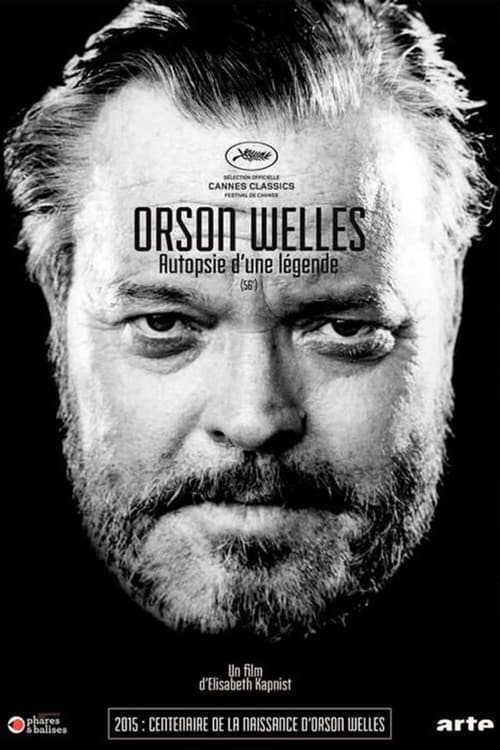
Orson Welles: Shadows & Light
2015
No user ratings available yet
Representation score: 4.6 out of 10
Representation Score
Fair
2018
Director
Mark Cousins
Runtime
111 minutes
Average Rating
No ratings yetNew Showbiz Analysis
Mark Cousins presents a formalist visual essay that deconstructs the cinematic language of Orson Welles. Instead of a traditional biography, the film employs a poetic, non-linear structure to explore Welles's aesthetic contributions and visual techniques. Given its focus on a single auteur, the film lacks broader social commentary and remains centered on the technical mastery of Orson Welles within the Western cinematic canon. Ultimately, the film's narrow academic scope means it does not engage with contemporary identity politics, focusing instead on the evolution of film language through Welles's unique perspective.
Category Breakdown
The film does not emphasize LGBTQ identities and instead focuses on the technical analysis of Orson Welles's visual style.
The film centers on the male genius archetype, focusing primarily on the creative ability to act of Orson Welles and avoiding demeaning portrayals of women.
Operating within the historical context of mid-20th-century Hollywood, the documentary highlights the formalist achievements of a white, Western auteur without addressing multi-layered racial dynamics.
The film celebrates the foundations of classical Hollywood and European influences, adopting a fluid, non-traditional storytelling approach while remaining rooted in the Western cinematic tradition.
There is no indication that physical or neurodivergent disabilities play a primary role in the narrative of this exploration of cinematic language.
Present on Screen
Limited or Absent
Official Synopsis
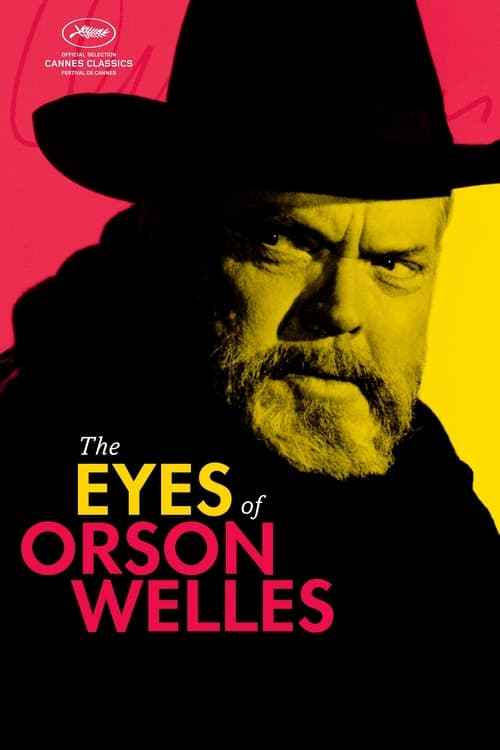
A poetic journey into the visual world of the legendary filmmaker and actor Orson Welles (1915-85) that reveals a new portrait of a unique genius, both of his life and of his monumental work: through his own eyes, drawn by his own hand, painted with his own brush.
2015
2008
2014
1929
2015
2015
1968
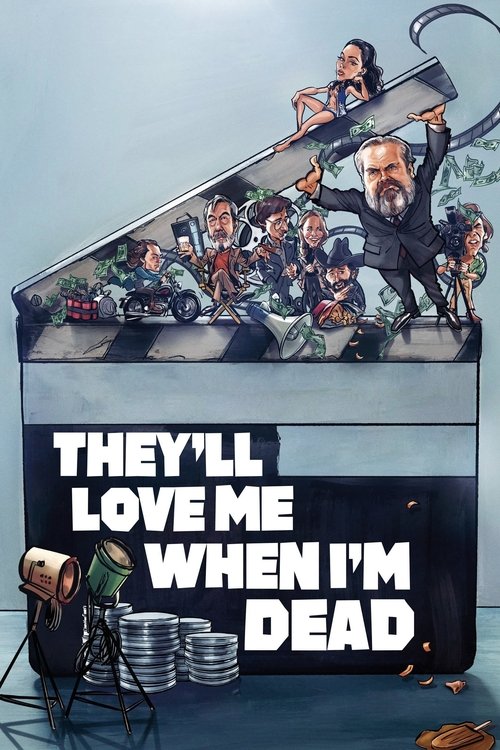
2018
No reviews yet. Be the first to share your thoughts on this movie!
Use the rating form above to leave a star rating and optional review.