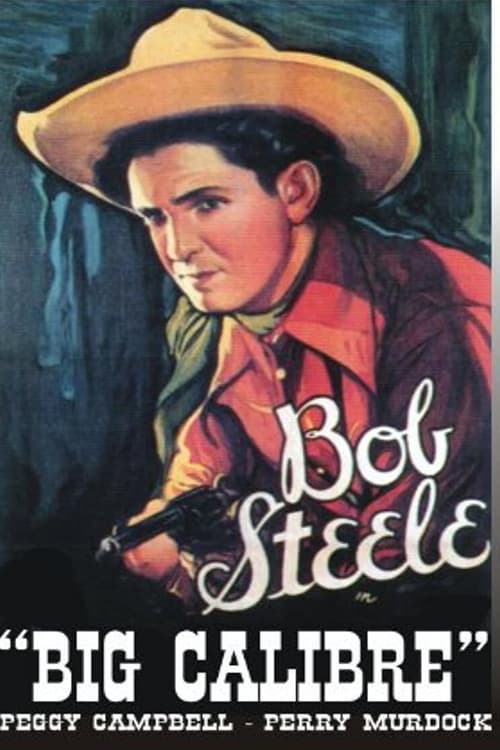
Big Calibre
1935
No user ratings available yet
Representation score: 1.4 out of 10
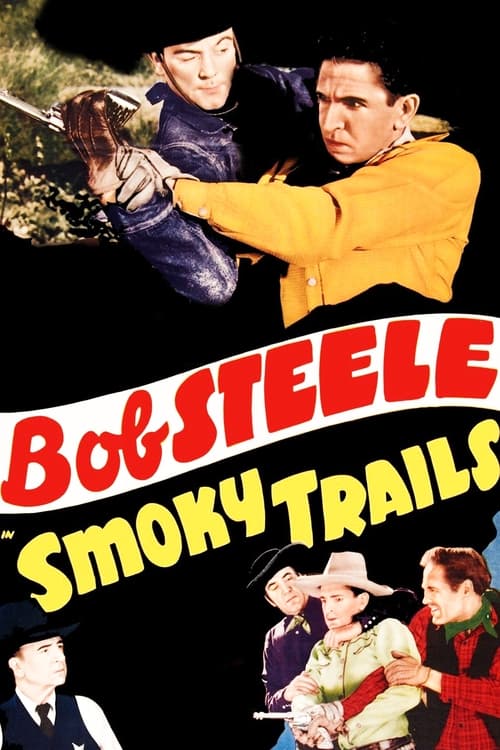
Representation Score
Minimal
1939
PassedDirector
Bernard B. Ray
Runtime
57 minutes
Average Rating
No ratings yetNew Showbiz Analysis
Smoky Trails functions as a quintessential product of its era, reinforcing established social and narrative hierarchies. The film relies on the standard archetypes of the American frontier, emphasizing individualist heroics and traditional masculine ability to act. The narrative structure lacks any intentionality regarding the way different parts of someone's identity overlap. It serves as a functional example of 1930s genre filmmaking that avoids disrupting conventional expectations of gender, race, or cultural morality.
Category Breakdown
The film follows typical 1930s Western themes focused on masculine conflict. It does not include any non-cisgender identities or stories that challenge the assumption that everyone is straight.
The story revolves around masculine archetypes of vengeance and combat. The central conflict is driven by men's control over the story, particularly Bob Archer, within traditional gender roles.
The film likely reflects the homogeneous social norms of 1939. It centers on Anglo-Saxon protagonists without evidence of characters of color playing significant roles.
The plot engages with conventional themes of law, order, and personal retribution. It aligns with traditional Western values concerning authority and territorial control.
There is no evidence of characters with visible or invisible disabilities. The story focuses on the physical demands of the Western genre.
Present on Screen
Limited or Absent
Official Synopsis
Trailing the men that murdered his father, Bob Archer finds a man in a gunfight. He helps him to escape only to be knocked out by him and captured by the Sheriff.
1935
1940
1963
1938
1929
1932
1937
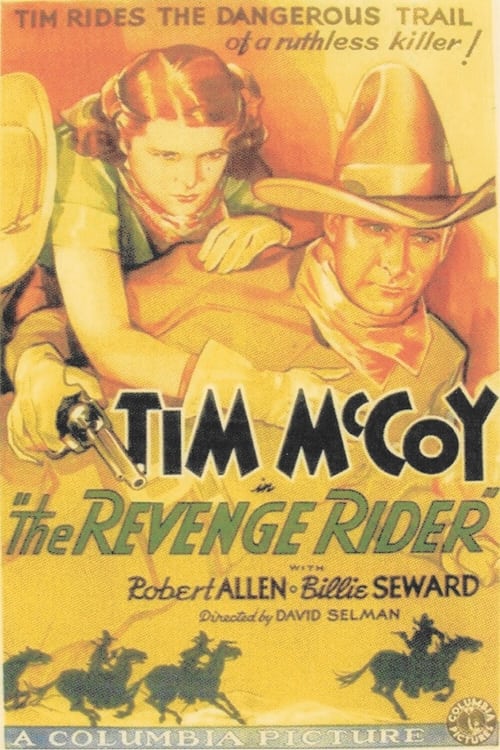
1935
No reviews yet. Be the first to share your thoughts on this movie!
Use the rating form above to leave a star rating and optional review.