
Los chicos con las chicas
1967
No user ratings available yet
Representation score: 1.8 out of 10
Representation Score
Limited
1968
Director
Ramón Fernández
Runtime
103 minutes
Average Rating
No ratings yetNew Showbiz Analysis
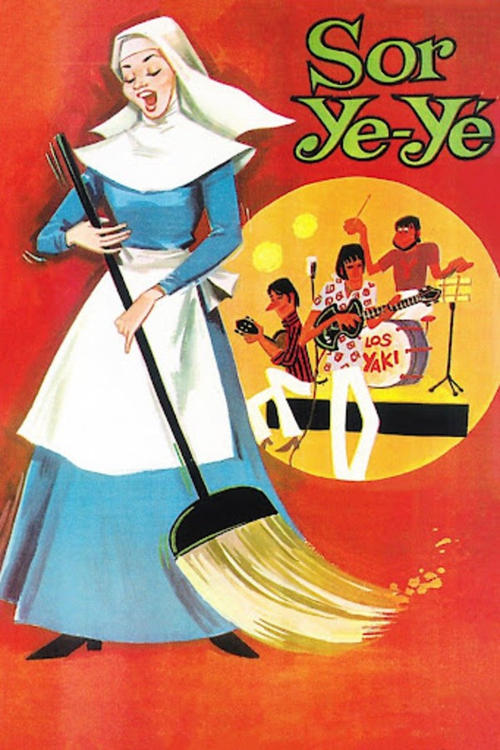
Sor Ye-yé is a period-specific musical comedy that leans heavily on the social norms of late 1960s Spain. It uses the cliché of rebellious youth to create comedic tension between modern lifestyle and religious tradition. While the female lead shows more independence than typical archetypes of the era, the film's core remains centered on traditional romance and social stability. It functions as escapist entertainment rather than a systemic critique of cultural norms.
Category Breakdown
The film lacks explicit evidence of LGBTQ+ characters or non-straight relationships. The narrative focuses on traditional romantic tensions between Maria and the male leads.
Maria displays a strong presence through her rebellious and cheerful personality. While she challenges convent hierarchies, her story remains driven by romantic interests and traditional gender roles.
The setting appears localized and homogeneous, reflecting the demographic norms of 1968 Spain. There is no indication of a multi-ethnic cast within the narrative.
The story explores friction between secular 'Ye-yé' modernity and rigid religious institutions. While it hints at questioning authority, it ultimately settles into conventional romantic stability.
The convent serves as a children's hospital, but there is no specific information regarding the portrayal of patients or staff with disabilities.
Present on Screen
Limited or Absent
Official Synopsis
Maria is a young orphan who lives with her wealthy aunt. Maria sings in a cocktail bar with his friends, who form a rock band, and enjoy the night with them. One of his friends, Ernesto, is in love with her, though she does not seem to feel the same about him. In fact, multiple existential doubts and feel a strange emptiness in his life suddenly drive to enter a convent as a novice, breaking Ernestos' heart. However, with her cheerlul character, open and rebellious, not appear to conform to life in the cloister, and especially have problems with the novices director , who often punished for trying to take the right path. In the convent, which also functions as children's hospital, she meets a doctor with which it takes quite right for the contrast between his two characters, but his way with love and mutual respect.
1967
1944
1978

1987
1966
1969
1968
1963
No reviews yet. Be the first to share your thoughts on this movie!
Use the rating form above to leave a star rating and optional review.