I'll See You on the Balcony
1953
No user ratings available yet
Representation score: 2.1 out of 10
Representation Score
Limited
1966
Director
Ettore Maria Fizzarotti
Runtime
111 minutes
Average Rating
No ratings yetNew Showbiz Analysis
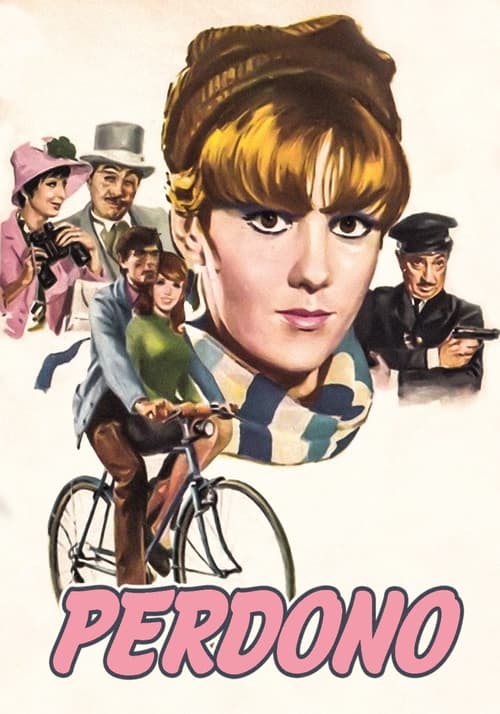
Perdono is a typical 1960s music film that prioritizes commercial entertainment and conventional romantic clichés. The narrative structure relies on established social hierarchies and traditional relationship dynamics common to the era. While the film provides a platform for female professional ambition through Caterina's singing career, these ambitions remain tied to interpersonal loyalty and romantic tension. The social setting reinforces mid-century norms rather than questioning them. Ultimately, the film serves as a period-typical musical comedy. It celebrates social stability and traditional institutions, offering little in the way of systemic critique or diverse representation.
Category Breakdown
The film focuses on traditional heterosexual relationships. There are no characters with non-traditional gender identities or sexual orientations.
Caterina takes control through her musical aspirations. However, female characters mainly navigate their roles through relationships with male protagonists and managing emotions.
The production reflects the demographic homogeneity of 1960s Italy. The narrative centers on a localized, culturally specific Italian social environment.
The story reinforces traditional social institutions like marriage and friendship. It uses a department store setting to reflect mid-century consumerism without criticism.
There are no visible or invisible disabilities central to the character arcs. No evidence of neurodivergence or physical disability is present.
Present on Screen
Limited or Absent
Official Synopsis
Federico, his girlfriend Laura and her cousin, Caterina, are three young people full of hope, united by a great friendship that seems indissoluble. The three work in a department store but, when Caterina decides to attempt a musical career, given her vocal skills, everything changes. Caterina becomes a successful singer and Federico falls in love with her. Caterina, who however does not want to make her cousin Laura suffer, pretends not to reciprocate the young man by making him put his head in order. Meanwhile, the plots of various secondary characters evolve, in particular the fresh marriage between the security guard Antonio and the secretary of the department stores Adelina.
1953
1950
1969

1964

1966
1954
1972

1965
No reviews yet. Be the first to share your thoughts on this movie!
Use the rating form above to leave a star rating and optional review.