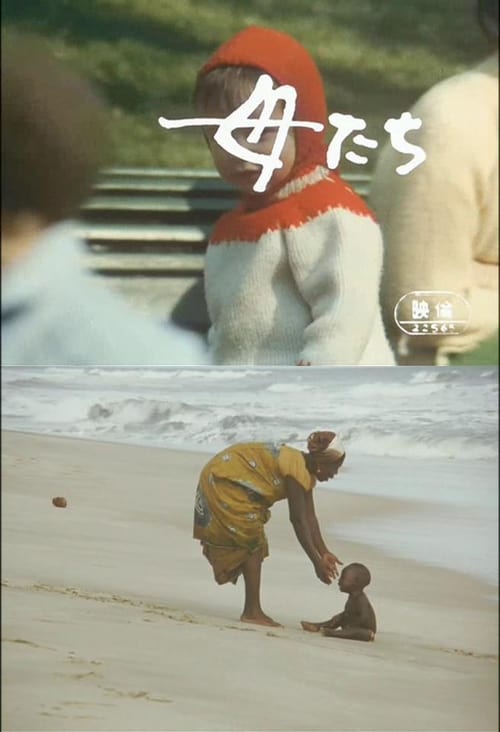
Mothers
1967
No user ratings available yet
Representation score: 6.0 out of 10
Representation Score
Limited
1990
Director
Takashi Ito
Runtime
5 minutes
Average Rating
No ratings yetNew Showbiz Analysis
Venus is an experimental study that prioritizes thematic abstraction over demographic visibility. It serves as a meditative exploration of the dissolution of the domestic unit and the fragmentation of identity. The film's strength lies in its refusal to reinforce traditional symbols of beauty and love, using the absence of subjects to challenge the viewer's reliance on recognizable social archetypes. However, the work lacks explicit multi-layered casting data and specific details regarding disability or racial composition, making a full demographic assessment impossible.
Category Breakdown
The film examines the instability of traditional domestic symbols without explicitly addressing LGBTQ+ identities. Its focus on the relationship between family and self moves away from the assumption that everyone is straight or cisgender.
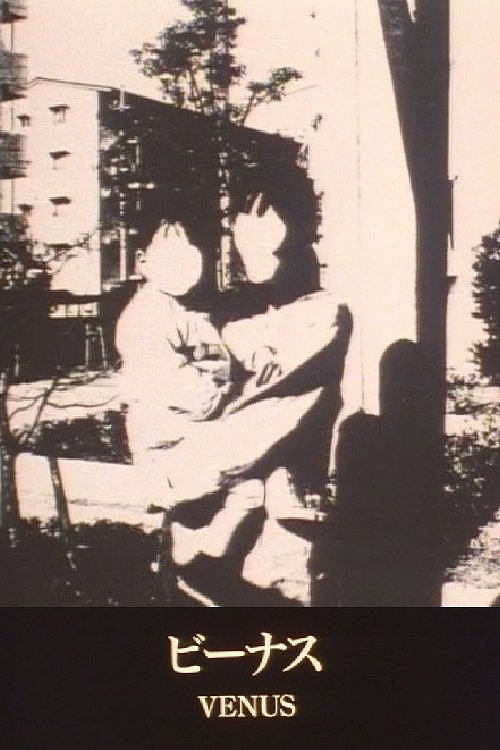
A mother and child are central motifs, but the film avoids sentimentalizing motherhood. By removing the faces of these figures, it challenges the traditional image of the nurturing mother.
The setting of a housing project suggests a specific socio-economic environment. However, there is no information confirming the racial or ethnic backgrounds of the characters.
The film delves into the deconstruction of domestic ideals, emphasizing individual existentialism over traditional social structures and Western-style family celebrations.
There is no information regarding the portrayal of neurodivergence, physical disabilities, or mental health conditions within the film's narrative.
Present on Screen
Limited or Absent
Official Synopsis
"In the early afternoon, a mother holding her child stands still in the park of a housing project. The kind of sight that is a symbol of beauty and love. Be as that may be, they have no face. The camera is aimed persistently at the spot from which they have vanished as if to find something. A work that began out of the search to understand the relation between the family and the self." - Takashi Ito
1967
1995

2011
1957
1997

1994
1986

1995
No reviews yet. Be the first to share your thoughts on this movie!
Use the rating form above to leave a star rating and optional review.