
Hideaway (Le refuge)
2009
No user ratings available yet
Diversity score: 6.6 out of 10
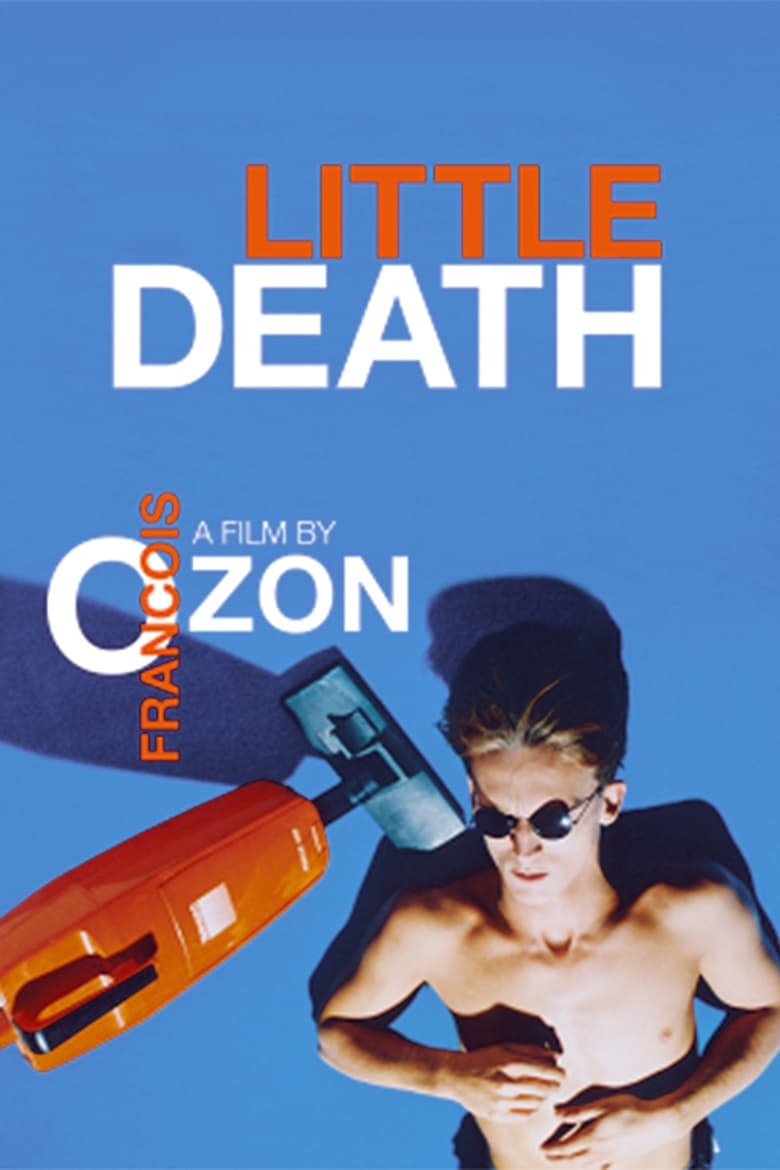
1995
Not RatedDirector
François Ozon
Runtime
25 minutes
Average Rating
No ratings yetSynopsis
Family ties. Paul is an artist, his current project is to take photos of the faces of men during orgasm. He lives with Martial, his lover. His sister Camille, who's running the family business, takes Paul to the hospital to see their father, who is dying. Paul hasn't seen him in six years, and all his life has believed his father thinks he's ugly and perhaps not even his child. There's no deathbed reconciliation, but subsequent exchanges of Paul with Martial and with Camille bring opportunities for growth and change to this temperamental and self-pitying young man.
Overall Score
Fair
Category Breakdown
LGBTQ+ Representation
The film centers queer intimacy by focusing on the relationship between Paul and Martial. It avoids common tropes of tragedy, instead exploring the psychological nuances of non-heteronormative desire and sexual pluralism.
Gender Representation
Gender hierarchies are disrupted through shifting power dynamics in intimate relationships. The film subverts traditional roles by focusing on psychological and physical vulnerability rather than conventional masculine strength.
Racial & Ethnic Diversity
The cast is largely homogeneous, reflecting a specific European bourgeois setting. There is a notable lack of racial or ethnic intersectionality within the narrative's middle-class focus.
Religious & Cultural Diversity
The story embraces moral relativism and prioritizes subjective experience over institutional dogma. It critiques social taboos by framing transgressive behaviors as complex expressions of human psychology.
Disability Representation
Representation is limited, as character struggles focus on interpersonal and sexual dysfunction. Psychological fragility is treated as a facet of personality rather than a depiction of lived disability.
Strengths
Areas for Improvement
AI Analysis
François Ozon’s work excels at deconstructing social taboos and traditional moral hierarchies. By centering queer identity and sexual fluidity, the film offers a sophisticated look at human desire that defies conventional Western structures. However, the film remains narrow in its demographic scope. The lack of racial and ethnic diversity limits its ability to explore broader systemic dynamics, keeping the focus strictly within a white, middle-class European context. Ultimately, the film is a progressive character study that prioritizes psychological liberation over traditional social mores, even if it lacks intersectional breadth.
2009
1993
2000
1993

2017

1992

2011

1991

1997
2005
2010
2022
No reviews yet. Be the first to share your thoughts on this movie!
Use the rating form above to leave a star rating and optional review.