Love Song
1984
No user ratings available yet
Representation score: 4.0 out of 10
Representation Score
Fair
1986
Director
Sion Sono
Runtime
31 minutes
Average Rating
No ratings yetNew Showbiz Analysis
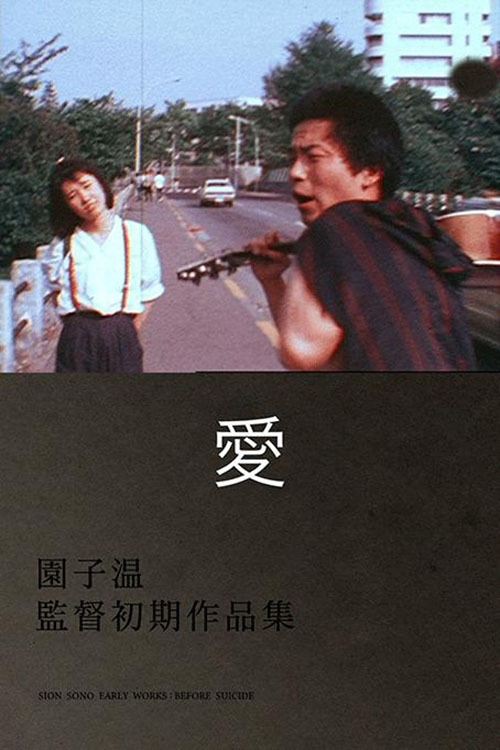
Love (1986) is an experimental character study that prioritizes psychological fragmentation over traditional narrative cohesion. It uses avant-garde techniques to deconstruct romantic clichés, moving from a stylized samurai persona to a raw, modern monologue of grief. The film lacks explicit markers reflecting multiple aspects of identity, focusing instead on a localized Japanese experience. While it does not feature diverse racial or LGBTQ+ identities, it challenges standard heroic structures by presenting masculinity through vulnerability and rage. Ultimately, the work functions as a subjective exploration of loss, trading social or communal stability for a nihilistic, neon-lit urban perspective.
Category Breakdown
The story revolves around a heterosexual relationship between a man and his missing girlfriend. The non-linear structure allows for various interpretations of intimacy, but there are no specific LGBTQ+ characters or themes.
The narrative is driven by a male protagonist's emotional volatility and desperation. The female character, Hiromi, primarily serves as a catalyst for his psychological journey and search.
Set within a Japanese context, the film reflects the demographic homogeneity of its era. It focuses on a localized cultural experience rather than a multi-ethnic or globalized cast.
The film critiques traditional identities by deconstructing the samurai persona. It prioritizes individualistic, fragmented emotional truths over communal stability or historical archetypes.
There is no evidence of characters with visible or invisible disabilities being portrayed with ability to act or used as plot devices.
Present on Screen
Limited or Absent
Official Synopsis
A young man dressed as a samurai walks along a road lined with flowering cherry trees. Then, no longer in costume, he talks with the camerawoman who is filming him, he writes a date and an hour (May 1, 1985, 10 a.m.) on a blackboard and then bursts out in rage at the fact that his girlfriend, Hiromi, has been missing for three days. A few moments of their love story are retraced, before returning to the gloomy desperation of the young man, who walks into the darkness of a night illuminated by neon signs and goes into a long monologue of love, directed at the girl.
1984

1998

2000
1995

1997
1997
2009

2015
No reviews yet. Be the first to share your thoughts on this movie!
Use the rating form above to leave a star rating and optional review.