Mother
2003
No user ratings available yet
Representation score: 2.4 out of 10
Representation Score
Fair
1967
Director
Toshio Matsumoto
Runtime
40 minutes
Average Rating
No ratings yetNew Showbiz Analysis
Toshio Matsumoto’s documentary is a crucial part of the Japanese New Wave, which challenges traditional social structures. By focusing on the female experience, the film examines the tension between personal freedom and societal expectations in rural Japan. The film effectively elevates the female perspective, presenting traditional social orders as restrictive rather than stabilizing. It uses the experiences of women to critique the impact of sexual autonomy and societal pressures. Though the film lacks explicit LGBTQ+ characters and maintains a homogeneous ethnic cast, its thorough examination of social repression and moral relativism offers significant progressive value.
Category Breakdown
The film does not include explicit LGBTQ+ characters or non-straight relationships. Instead, it focuses on the conflicts arising from deviating from traditional reproductive roles and critiques sexual repression.
The film emphasizes the role of women and challenges traditional gender hierarchies. It portrays the struggles of women facing social stigma and the restrictive nature of the patriarchal village structure.
The film features a predominantly Japanese cast centered around rural life. A soldier's appearance serves as a symbol of external influence and post-war geopolitical changes.
The film questions traditional moralities imposed by village hierarchies, engaging with moral relativism. It critiques communal religious and social codes as potentially oppressive systems.
There is no significant evidence regarding the depiction of physical or neurodivergent disabilities within the film.
Present on Screen
Limited or Absent
Official Synopsis
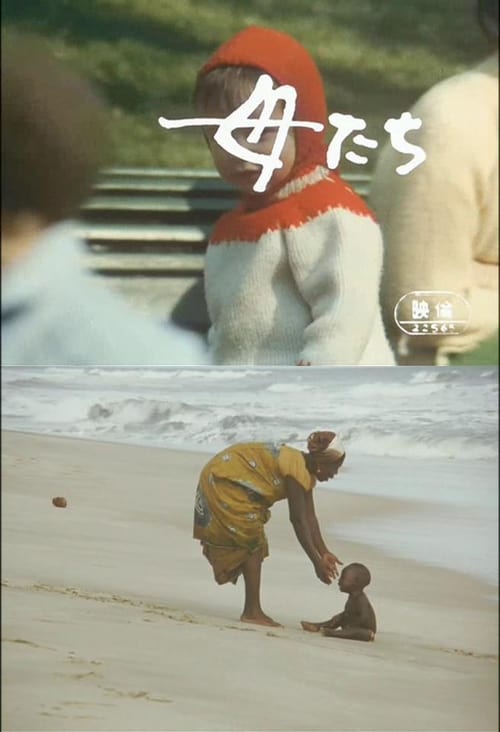
Documentary about the relationships between mothers and their children.
2003

2010
2006
1978
1979

2023

1974

1974
No reviews yet. Be the first to share your thoughts on this movie!
Use the rating form above to leave a star rating and optional review.