Distance
2001
No user ratings available yet
Representation score: 7.5 out of 10
Representation Score
Excellent
1995
Not RatedDirector
Hirokazu Kore-eda
Runtime
110 minutes
Average Rating
No ratings yetNew Showbiz Analysis
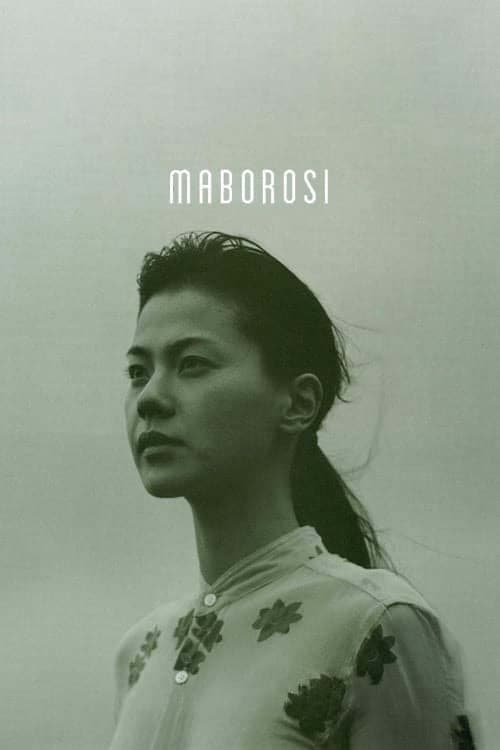
Maborosi is a sophisticated exploration of human existence that challenges traditional storytelling methods. Its main strength lies in its refusal to rely on familiar formulas, instead offering a deeply personal look at a woman's autonomy and the psychological impact of loss. The film excels at depicting the internal life of its protagonist, moving beyond her traditional role to highlight her independence. It also offers a nuanced, secular examination of social and spiritual beliefs, handling grief with maturity. However, the film remains culturally and identity-focused, with a homogeneous cast and a lack of explicit LGBTQ+ identities or neurodivergent characters, keeping its scope localized and traditional.
Category Breakdown
The film focuses on a traditional marriage and widowhood storyline, which doesn't explicitly depict queer identities. However, the story's departure from typical romantic dramas allows for emotional flexibility.
The narrative challenges traditional gender roles by focusing on Yumiko's internal thoughts and feelings. It emphasizes her role in driving the story rather than her position within a patriarchal family structure.
The film showcases a culturally uniform Japanese cast set in a specific region. While it avoids a Western-centric perspective, it does not include diverse racial backgrounds.
The story addresses moral ambiguity and secular contemplation. It avoids religious clichés, presenting the struggle for meaning in a seemingly indifferent and modern world.
Though the film doesn't show physical disabilities, it delves into the invisible trauma of deep grief. It portrays mental health and emotional resilience as complex, lived experiences rather than inspirational stories.
Present on Screen
Limited or Absent
Official Synopsis
A tragedy strikes a young woman's life without warning or reason. She continues living while searching for meaning in a lonely world.
2001

2000

2004
1970
2005

1997

2008

2007
No reviews yet. Be the first to share your thoughts on this movie!
Use the rating form above to leave a star rating and optional review.