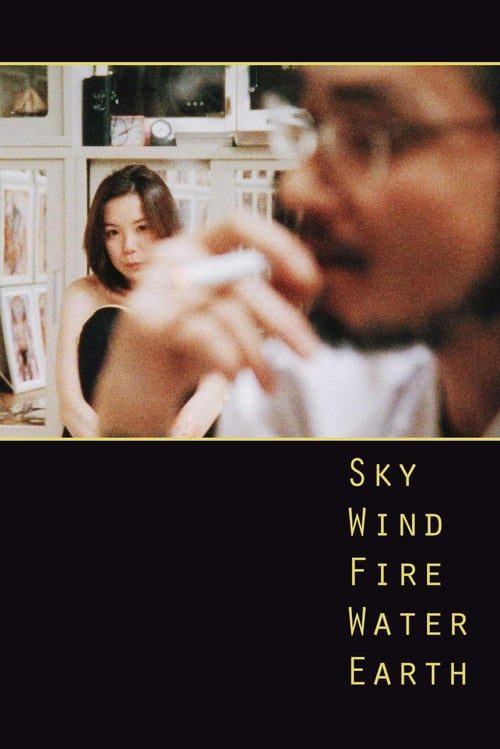
Sky, Wind, Fire, Water, Earth
2001
No user ratings available yet
Representation score: 3.4 out of 10

Representation Score
Limited
1994
Director
Naomi Kawase
Runtime
39 minutes
Average Rating
No ratings yetNew Showbiz Analysis
Naomi Kawase’s documentary is an aesthetic and philosophical exploration of memory and nature, rather than a sociopolitical critique. It prioritizes sensory experience and a child's subjective perspective over traditional, conflict-driven plot structures. While the film lacks active demographic representation and the subversion of social hierarchies, it excels in its observational, non-linear approach to rural Japanese life. It remains culturally homogeneous and traditional in its depiction of gendered spaces.
Category Breakdown
The film does not include any LGBTQ+ characters or narratives. It focuses on traditional family connections in a rural setting without any explicit queer themes.
The movie reflects traditional rural domesticity. While it offers a nuanced look at communal living, female characters do not have the opportunity to actively challenge existing hierarchies.
The film features a culturally uniform Japanese cast. This maintains authenticity to its specific geographic location without adopting Western-centric viewpoints.
Local customs and shrines are shown as part of the landscape. The film emphasizes a nature-focused spirituality rather than institutionalized religion.
There are no visible depictions of physical or neurodivergent disabilities used as central plot devices or character traits.
Present on Screen
Limited or Absent
Official Synopsis
Filmmaker Naomi Kawase captures the love, loss, and loneliness felt as she prepares to move out of her foster mother's home.
2001
1978
1992

2014

2006
1995
2003
1967
No reviews yet. Be the first to share your thoughts on this movie!
Use the rating form above to leave a star rating and optional review.