
Wrong Beds
1965
No user ratings available yet
Representation score: 3.3 out of 10

Representation Score
Fair
1972
Director
Giuliano Biagetti
Runtime
96 minutes
Average Rating
No ratings yetNew Showbiz Analysis
Decameroticus functions as a deconstruction of traditional social mores rather than a platform for identity politics. It succeeds in subverting patriarchal hierarchies by depicting women who outmaneuver their husbands through various schemes of infidelity. However, the film lacks depth in representing diverse identities. The narrative is centered on a homogeneous European demographic and lacks any visible LGBTQ+ presence, which limits its broader social representation. Ultimately, the film's strength lies in its moral relativism and its critique of religious and marital institutions, even as it remains narrow in its demographic scope.
Category Breakdown
The film focuses almost exclusively on heterosexual relationships and marital dynamics. There is no visible evidence of same-sex intimacy or non-binary gender identities within the narrative.
Women frequently take control through infidelity and therapy sessions, often outmaneuvering their husbands. Men are often portrayed as victims of their own schemes or outmaneuvered by the women they try to monitor.
As a period-based European comedy, the film appears to reflect a homogeneous demographic. There is no evidence of diverse racial casting or Anglo-Saxon minorities.
The narrative critiques the sanctity of marriage and the Church by using religious roles for personal gain. This focus on individual desire over communal morality suggests a skeptical view of spiritual authority.
The provided material contains no mention of characters with visible or invisible disabilities.
Present on Screen
Limited or Absent
Official Synopsis
Five episodes :1) A husband has taken the place of the confessor to find out about his wife's betrayals and while he spends the night at the door of the house, the woman can freely receive her lover. 2) Judge Volfardo, to take revenge for the constant pranks of Lambertuccio, head of the guards, invites Leonetto, a young man whom women yearn for, to take advantage of his wife. But everything is resolved to their own damage 3) While Domitilla's husband sends the boy into his bed to be able to sleep with his lover. 4) Don Casimiro has Don Ciccillo treat his wife who will use a very intimate therapy. 5) Messer Ciccio and Messer Gerbino exchange confidences on how not to be betrayed by their wives, so that...
1965
1973
1973
1971

1963
1971
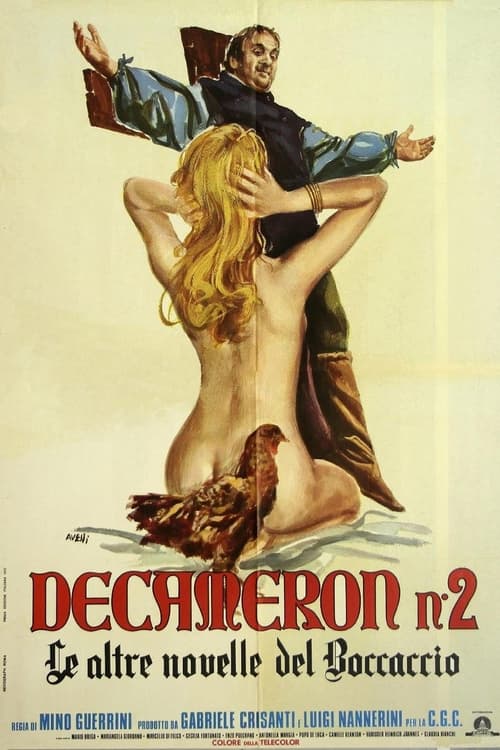
1972

1962
No reviews yet. Be the first to share your thoughts on this movie!
Use the rating form above to leave a star rating and optional review.