Goofy Movies Number Four
1934
No user ratings available yet
Diversity score: 1.8 out of 10

1934
ApprovedRuntime
8 minutes
Average Rating
No ratings yetSynopsis
A comic short filled with fake news and a fake movie trailer made up of clips from silent movies.
Overall Score
Limited
Category Breakdown
LGBTQ+ Representation
The film focuses on technical parody and fake news formats. There is no evidence of non-cisnormative identities or narratives addressing heteronormativity.
Gender Representation
The short likely relies on traditional 1934 comedic tropes. Without specific character details, it lacks evidence of female-driven agency or subverted gender hierarchies.
Racial & Ethnic Diversity
The reliance on silent film clips suggests a dependence on early 20th-century cinematic language. This era often lacked intersectional casting and diverse character agency.
Religious & Cultural Diversity
The parody of newsreels offers a mild critique of media authority. However, it functions more as a technical exercise than a systemic cultural critique.
Disability Representation
The synopsis contains no mention of characters with visible or invisible disabilities. There is no evidence of neurodivergent representation.
Strengths
Areas for Improvement
AI Analysis
Goofy Movies Number Six is a period-specific comedic short that prioritizes genre parody over character-driven social commentary. Its structure relies on mockumentary-style 'fake news' and silent film clips to deconstruct cinematic tropes. Because the work is rooted in the stylistic constraints of 1934, it lacks the narrative architecture required for meaningful identity exploration. The focus remains on the technical execution of satire rather than the representation of diverse social groups. Ultimately, the film reflects the era's inherent lack of intersectional representation. It functions as a meta-cinematic exercise rather than a vehicle for progressive character agency or social critique.
1934
1934
1934
1934
1934
1934

1943
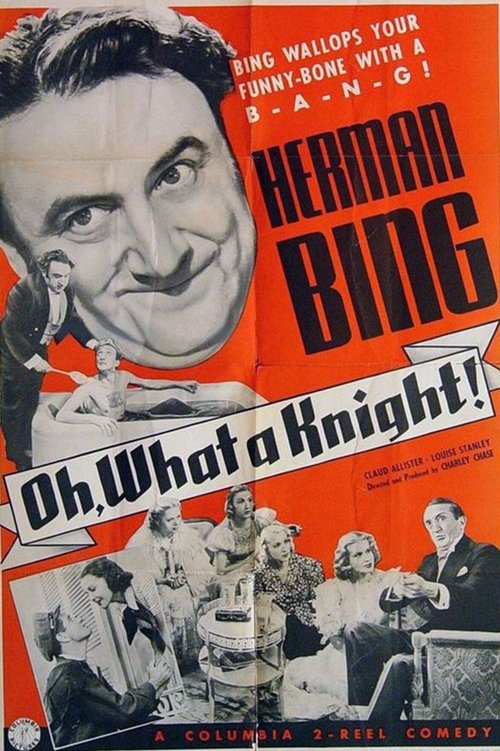
1937

1927
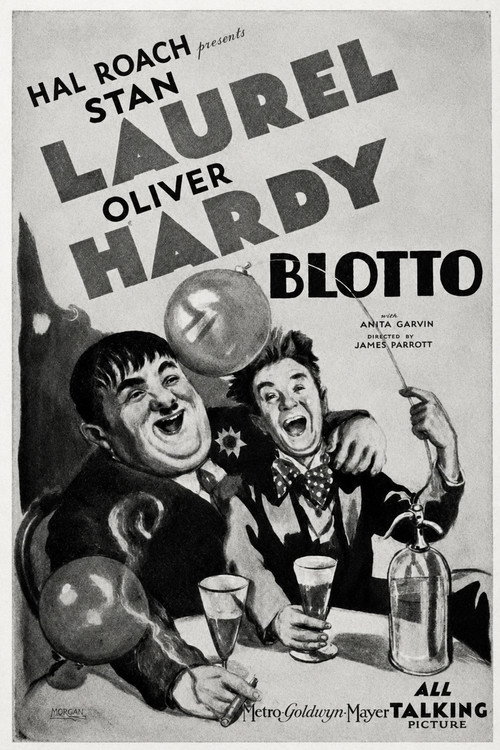
1930
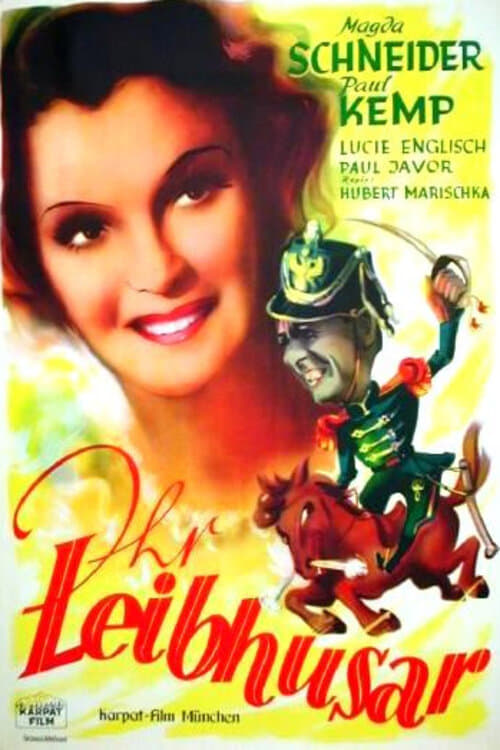
1938
1936
No reviews yet. Be the first to share your thoughts on this movie!
Use the rating form above to leave a star rating and optional review.