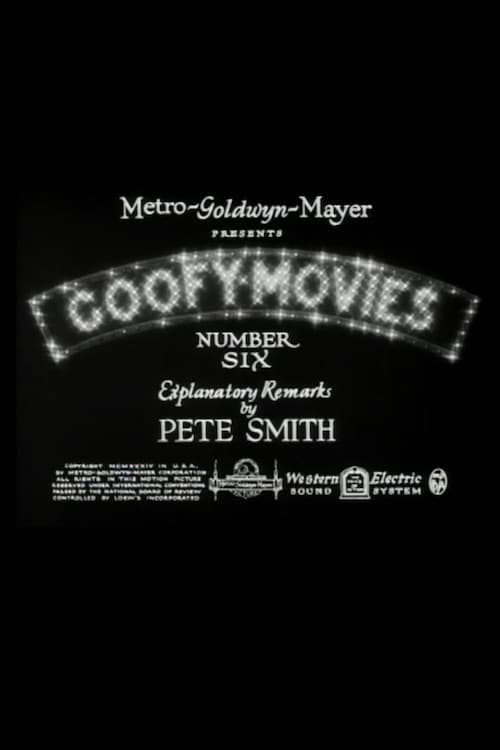
Goofy Movies Number Ten
1934
No user ratings available yet
Diversity score: 1.1 out of 10
1934
ApprovedRuntime
10 minutes
Average Rating
No ratings yetSynopsis
A satire on movie newsreels combines with humorous narration of silent screen footage in this one reel comedy short.
Overall Score
Minimal
Category Breakdown
LGBTQ+ Representation
The film lacks any evidence of non-heteronormative identities or queer subtext. There are no depictions of same-sex intimacy within the satirical newsreel format.
Gender Representation
The documentation provides no insight into gender dynamics or character interactions. Consequently, no subversion of traditional gender roles can be identified.
Racial & Ethnic Diversity
The work appears to function within standard cinematic frameworks of its era. There is no mention of a diverse cast or non-Anglo-Saxon characters.
Religious & Cultural Diversity
The satire focuses on the medium of cinema rather than systemic social critique. There is no evidence of anti-religious or anti-Western narrative themes.
Disability Representation
There is no evidence regarding the portrayal of neurodivergence or physical impairments. No characters with visible or invisible disabilities are mentioned.
Strengths
Areas for Improvement
AI Analysis
This 1934 comedic short functions as a satirical newsreel using silent-era footage. Because the content is centered on a parody of movie newsreels, it lacks the narrative complexity or character depth required to explore intersectional identities. The film appears to be a period-specific comedic exercise. It does not provide any specific evidence of diverse casting, social critique, or representation of marginalized groups. Ultimately, the work lacks the contemporary themes necessary to register scores in any progressive representation category.
1934
1934
1934
1934
1934
1934
1940
1934

1941
1941
1938
1935
No reviews yet. Be the first to share your thoughts on this movie!
Use the rating form above to leave a star rating and optional review.