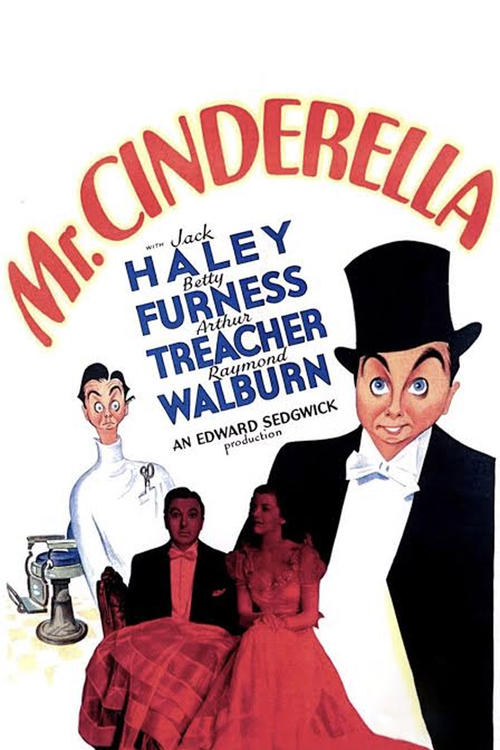
Mister Cinderella
1936
No user ratings available yet
Representation score: 0.8 out of 10
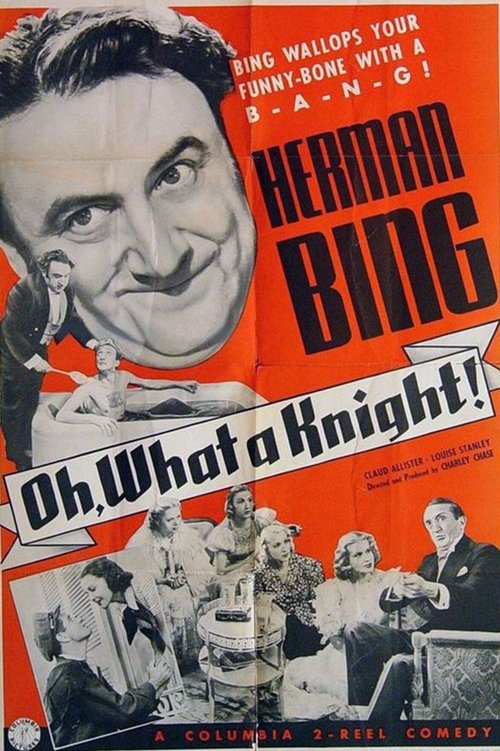
Representation Score
Minimal
1937
ApprovedDirector
Charley Chase
Runtime
18 minutes
Average Rating
No ratings yetNew Showbiz Analysis
This 1937 comedy operates within the social and casting constraints of its time. The narrative centers on class-based misunderstandings, such as a barber mistaken for a servant, without challenging traditional gender or racial dynamics. While the film explores themes of social mobility and class friction, it does not intentionally subvert these dynamics or expand on diverse character portrayals.
Category Breakdown
The film does not include any representation of LGBTQ+ identities or non-cisgender characters.
The story revolves around a male barber and a female society woman, relying on conventional gender roles.
The film reflects the homogeneous casting standards of the 1930s, with no indication of a diverse or non-Anglo-Saxon cast.
The story examines class friction and social mobility through a high-society setting, focusing on situational misunderstandings.
There is no evidence of characters with visible or invisible disabilities.
Present on Screen
Limited or Absent
Official Synopsis
A barber is mistaken for a rich society woman's new servant.
1936
1926
1937

1923
1935
1938
1935
1932
No reviews yet. Be the first to share your thoughts on this movie!
Use the rating form above to leave a star rating and optional review.