Goofy Movies Number Four
1934
No user ratings available yet
Diversity score: 1.8 out of 10
1934
ApprovedRuntime
10 minutes
Average Rating
No ratings yetSynopsis
This "complete show on one reel" starts with Super-Stupid Picture's "The Heel of a Nation", in which the narrator tells a humorous story while the audience sees scenes from a totally unrelated, unidentified silent movie. Then comes a "Wotaphony" newsreel. The last segment is a spoof of James A. FitzPatrick's Traveltalk series. We see a Pitts Fatrick Travel Squawk titled "A Visit to Schnozzle Isle." Schnozzle Isle is just off the coast of a Polynesian land which, when seen from the air, has a profile that looks remarkably (or perhaps not so remarkably) like 'Jimmy Durante' .
Overall Score
Minimal
Category Breakdown
LGBTQ+ Representation
The film contains no evidence of LGBTQ+ characters or non-cisnormative identities. The episodic comedic vignettes do not provide space for queer narratives or subtextual representation.
Gender Representation
Gender dynamics appear to follow traditional 1930s tropes. There is no indication of women possessing high agency, suggesting a reliance on conventional and non-subversive gender roles.
Racial & Ethnic Diversity
Representation of non-Western subjects is limited to a Polynesian land depicted through a lens of exoticism. The use of geographic metaphors suggests cultural abstraction rather than meaningful inclusion.
Religious & Cultural Diversity
The work utilizes standard Western media formats like newsreels and travelogues. It lacks deconstructive or secularist themes, functioning instead as traditional entertainment of its era.
Disability Representation
There is no documented evidence of characters with visible or invisible disabilities. The segments do not feature any neurodivergent representation.
Strengths
Areas for Improvement
AI Analysis
Goofy Movies Number Three is a collection of short-form comedic segments, including parodies of silent films, newsreels, and travelogues. Because the content is episodic and centered on slapstick, it lacks the character depth required for social commentary or identity-driven narratives. The production reflects the restrictive social frameworks of 1934. It relies heavily on geographic caricatures and traditional tropes that prioritize observational humor over intersectional agency or diverse representation. Ultimately, the film serves as a time capsule of pre-war entertainment, focusing on established Western formats and conventional social dynamics.
1934
1934
1934
1934
1934
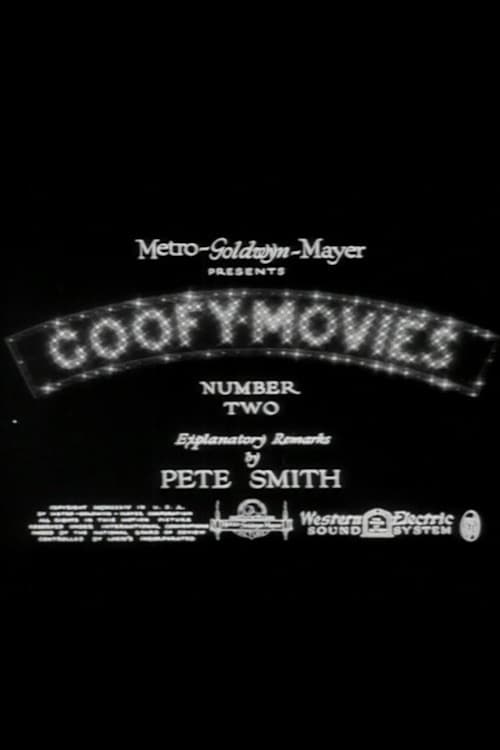
1934
1951
1938
1934
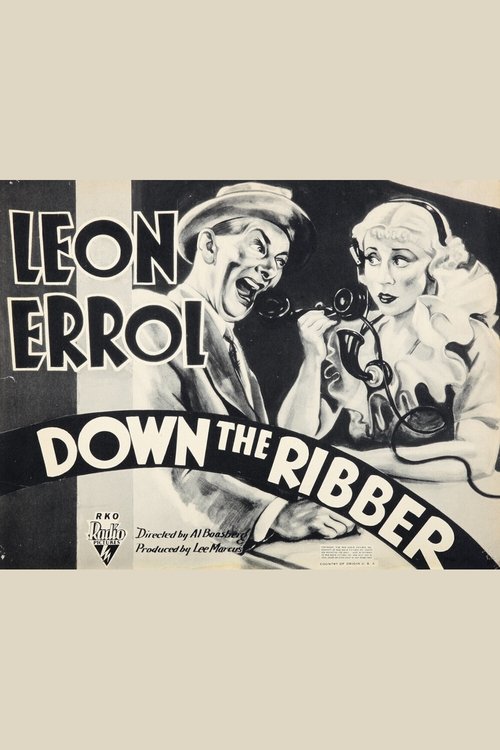
1936
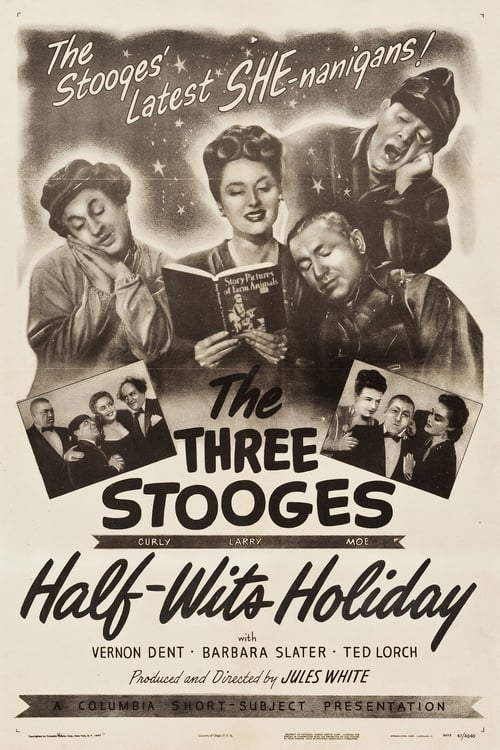
1947
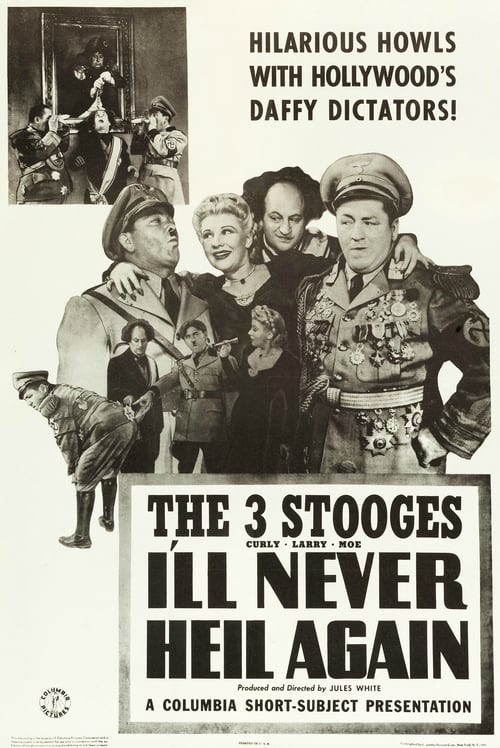
1941
No reviews yet. Be the first to share your thoughts on this movie!
Use the rating form above to leave a star rating and optional review.