High Blood Pleasure
1945
No user ratings available yet
Representation score: 0.5 out of 10
No Poster Available
Representation Score
Minimal
1936
ApprovedDirector
Del Lord
Runtime
18 minutes
Average Rating
No ratings yetNew Showbiz Analysis
Just Speeding is a quintessential slapstick short that prioritizes situational absurdity over social depth. The narrative follows a classic trickster framework where characters use deception to bypass authority, specifically a motorcycle cop. Produced in 1936, the film adheres to the era's narrow casting and storytelling conventions. The focus remains strictly on the comedic tension between the protagonists and the law, offering little room for multi-layered representation. Ultimately, the film functions as a period-specific comedy that relies on established archetypes. It does not attempt to challenge social hierarchies or explore diverse identities, remaining firmly within the bounds of early 20th-century comedic structures.
Category Breakdown
The film does not depict any non-straight relationships or same-sex intimacy. The story focuses entirely on the interactions between the male protagonists and law enforcement.
The story centers on male protagonists, Tom and Monty. There is a notable absence of female involvement or diverse gender expressions within this male-dominated comedic dynamic.
The film reflects the homogeneous casting standards typical of 1936. There is no evidence of racial blending or subversion of Anglo-centric norms.
The plot uses a minor subversion of authority to drive the comedy. However, it relies on traditional clichés rather than a critique of Western institutions.
The synopsis provides no information regarding the portrayal of physical or neurodivergent disabilities.
Present on Screen
Limited or Absent
Official Synopsis
To avoid getting a speeding ticket from a motorcycle cop, Tom pretends to be a surgeon rushing Monty to the hospital for an emergency operation.
1945
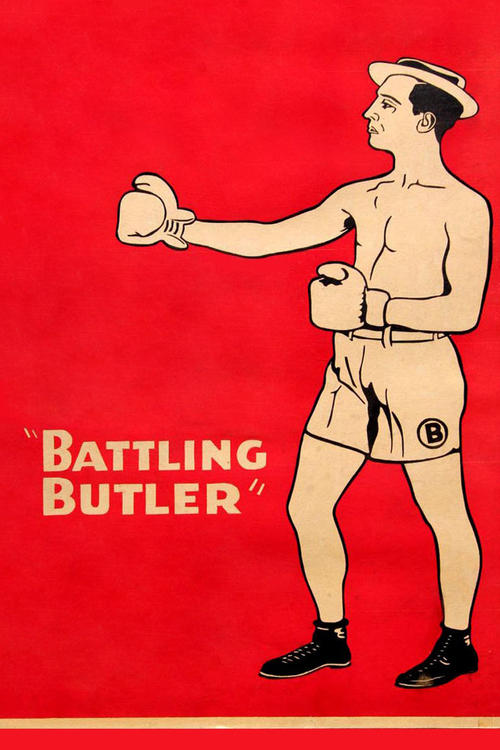
1926
1942
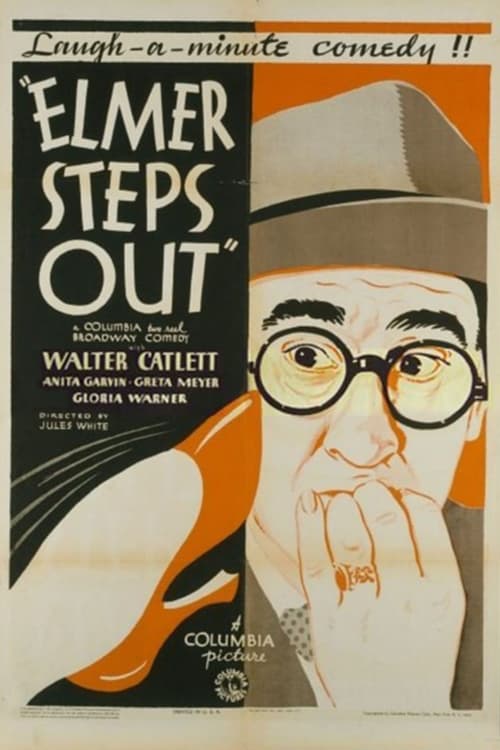
1934
1936
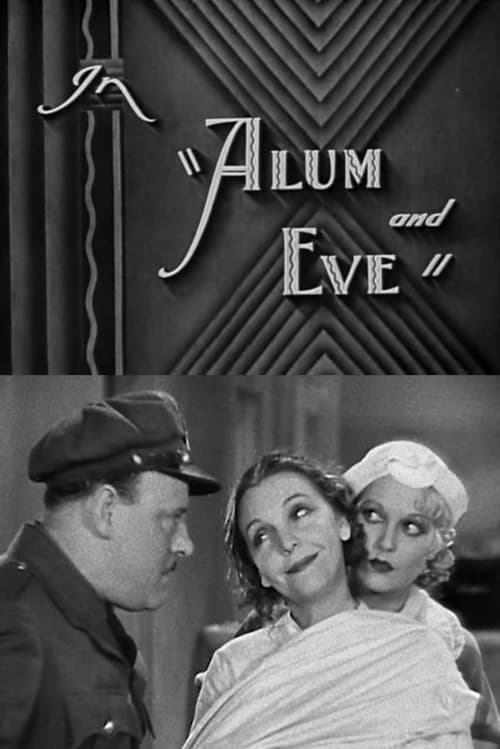
1932
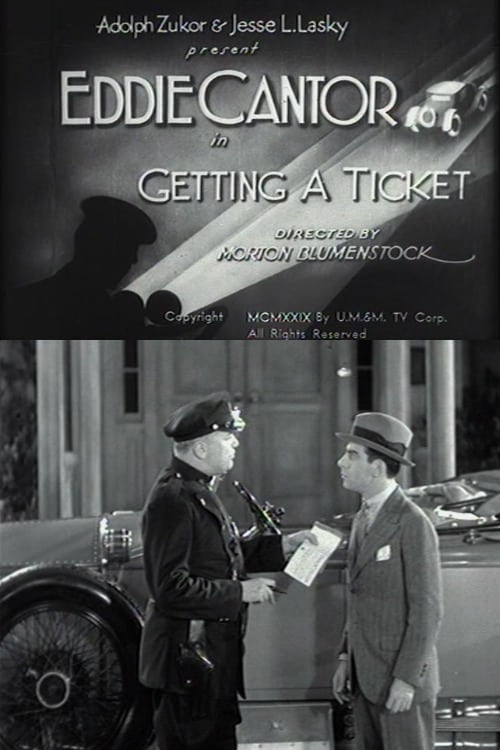
1930
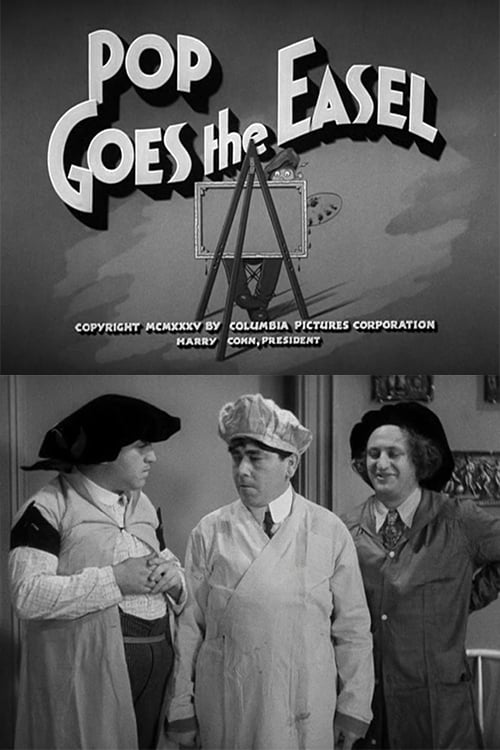
1935
No reviews yet. Be the first to share your thoughts on this movie!
Use the rating form above to leave a star rating and optional review.