Film Fun
1955
No user ratings available yet
Representation score: 2.6 out of 10

Representation Score
Minimal
1943
ApprovedRuntime
18 minutes
Average Rating
No ratings yetNew Showbiz Analysis
Happy Times and Jolly Moments serves as a nostalgic retrospective of the Mack Sennett silent comedy era. By preserving established comedic legacies, it inherently upholds the social hierarchies and limited representation of the early 20th century. The film lacks depth in representing diverse identities, focusing instead on reinforcing traditional comedic forms. This historical reverence results in a narrative that upholds rather than challenges societal norms. Ultimately, the film acts as a time capsule of a period characterized by homogeneous casting and rigid social norms, offering little in the way of progressive representation.
Category Breakdown
The film contains no evidence of LGBTQ+ characters or non-assuming gender matches what was assigned at birth identities. It appears to adhere to the social constraints of the silent film era.
The film focuses on traditional gender roles typical of Mack Sennett comedies. Women are likely portrayed through physical comedy or visual pursuit, reinforcing conventional gender stereotypes.
The film likely reflects the homogeneous casting norms of the early 20th century. It lacks racial diversity and may mirror the era's reliance on caricatured depictions.
This work celebrates a specific Western cinematic tradition. It prioritizes the preservation of historical comedic forms over modern cultural critiques.
There is no evidence of characters with visible or invisible disabilities. The slapstick style may not align with modern standards of disability ability to act.
Present on Screen
Limited or Absent
Official Synopsis
This short film takes a nostalgic look at the Mack Sennett comedies of the silent cinema era.
1955

1946
1934
1934
1934
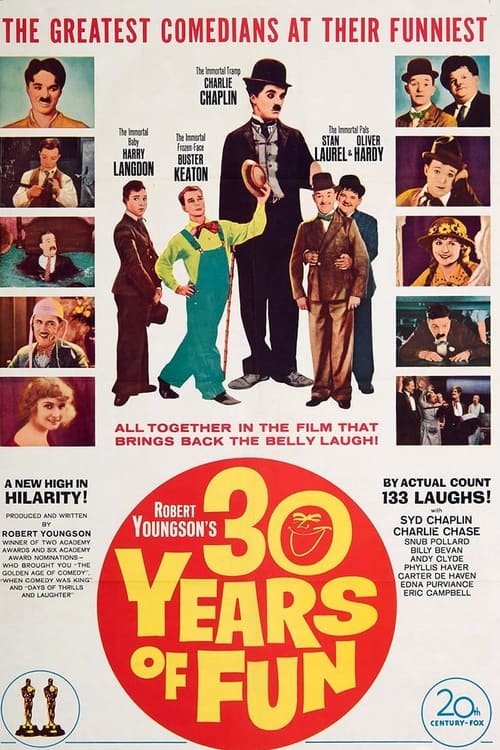
1963
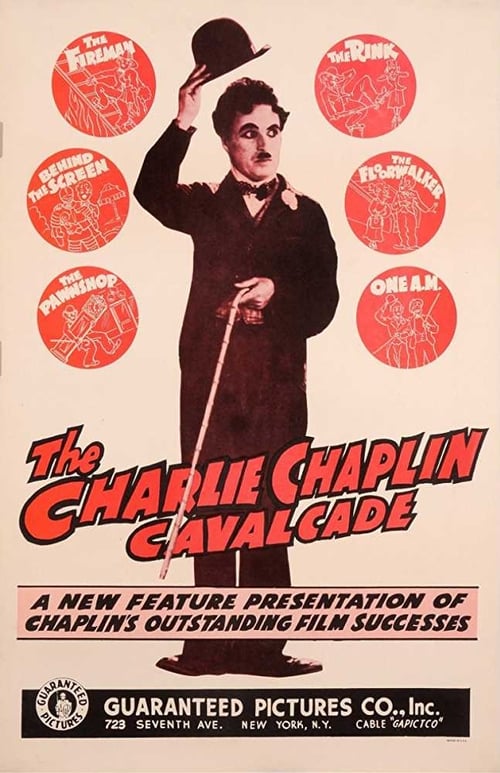
1941
1935
No reviews yet. Be the first to share your thoughts on this movie!
Use the rating form above to leave a star rating and optional review.