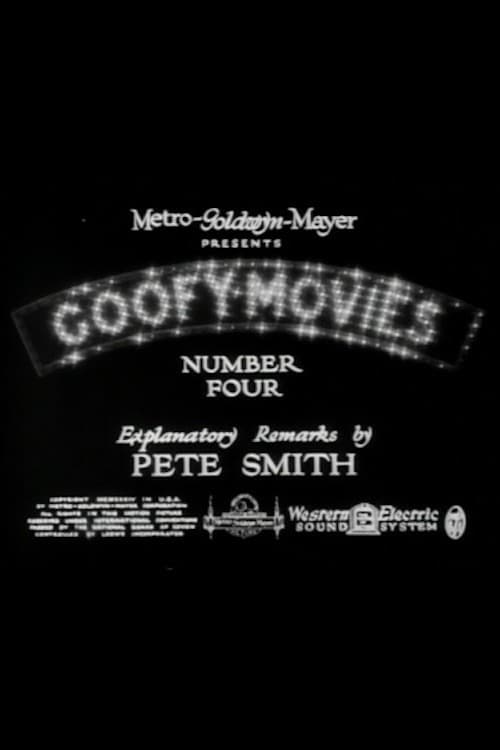
Goofy Movies Number Four
1934
No user ratings available yet
Diversity score: 1.8 out of 10
No Poster Available
1934
ApprovedRuntime
10 minutes
Average Rating
No ratings yetSynopsis
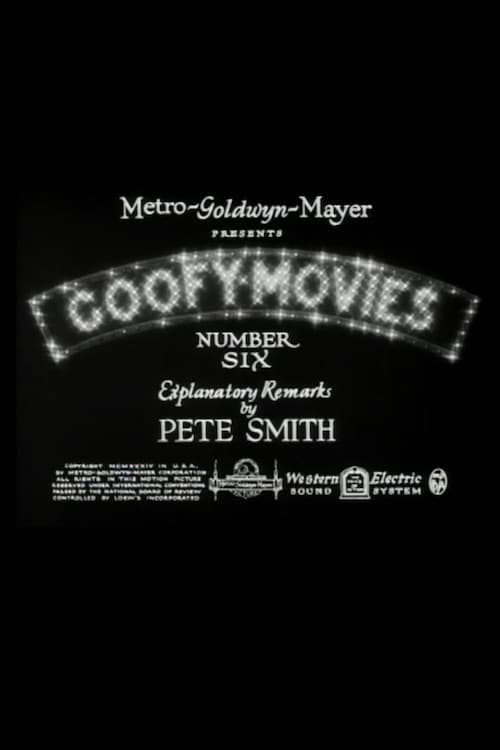
In this eighth installment in Pete Smith's Goofy Movies short films series, clips from silent films are given comedic narration.
Overall Score
Minimal
Category Breakdown
LGBTQ+ Representation
The film lacks any framework for queer identity or non-cisnormative expressions. It relies on silent-era tropes that function within strictly traditional heteronormative boundaries.
Gender Representation
Gender roles are highly codified through silent-era archetypes. While narration may lampoon masculine ineptitude, the physical comedy tends to reinforce traditional hierarchies rather than subverting them.
Racial & Ethnic Diversity
The production reflects the homogeneous casting norms of the early studio system. It adheres to standard Anglo-centric depictions without utilizing diverse casting or metaphors to challenge racial hierarchies.
Religious & Cultural Diversity
The content is rooted in early 20th-century Western comedic traditions. It functions as escapist entertainment that reinforces social stability rather than critiquing Western institutions or the nuclear family.
Disability Representation
Physical clumsiness is frequently used as a primary source of humor. This treats bodily dysfunction as a plot device or object of mockery rather than providing nuanced depictions of disability.
Strengths
Areas for Improvement
AI Analysis
This 1934 short is a product of its era, functioning primarily as a traditional comedic artifact. It lacks the intentionality required to disrupt social hierarchies or present intersectional narratives, instead leaning into the escapist tropes of the early sound era. The film's reliance on slapstick and silent-era archetypes means that representation is largely absent or serves to reinforce existing social norms. Characters and themes are shaped by the homogeneous casting and rigid gender roles typical of the 1930s studio system. Ultimately, the work provides little to no agency for marginalized groups. It prioritizes physical comedy and traditional structures over any meaningful exploration of diverse identities or cultural critiques.
1934
1934
1934
1934
1934
1934
1948
1944
1937
1935
1938
1943
No reviews yet. Be the first to share your thoughts on this movie!
Use the rating form above to leave a star rating and optional review.