Zander the Great
1925
No user ratings available yet
Representation score: 0.9 out of 10
Representation Score
Minimal
1957
Director
Wolf Rilla
Runtime
87 minutes
Average Rating
No ratings yetNew Showbiz Analysis
The film subtly challenges mid-century domestic ideals by portraying the biological father as a source of trauma rather than stability. This shift questions the idealized image of paternal authority through the protagonist's struggles. However, the narrative lacks depth in representing multiple aspects of identity. Without details on racial diversity or LGBTQ+ identities, the film remains rooted in a traditional dramatic structure. Ultimately, the focus on foster care highlights emotional kinship over biological ties, although it may prioritize a straightforward moral resolution over a deeper systemic critique.
Category Breakdown
The film does not include any representations of LGBTQ+ identities or non-straight relationships. It focuses solely on traditional domestic structures.
The story challenges traditional patriarchal roles by showing a violent father instead of a stable leader. However, it is unclear if female characters have roles beyond nurturing functions.
There is no information available about the racial makeup of the cast or the setting. The narrative's ethnic diversity cannot be determined.
The film examines alternative social structures through the 'found family' concept of foster care. It follows a conventional moral arc focused on finding happiness.
The documentation provides no information about physical disabilities or neurodivergent conditions. There is no representation in this category.
Present on Screen
Limited or Absent
Official Synopsis
Tod is a motherless boy, who is mistreated by his violent father. He eventually finds happiness with kindly foster parents.
1925
1955
1941
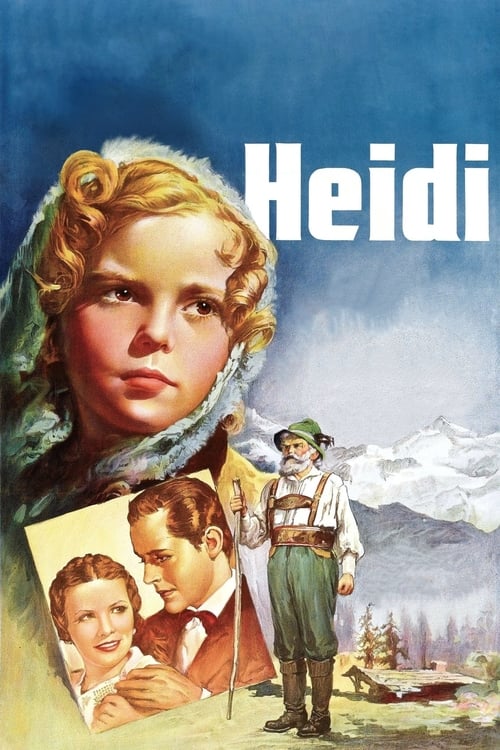
1937
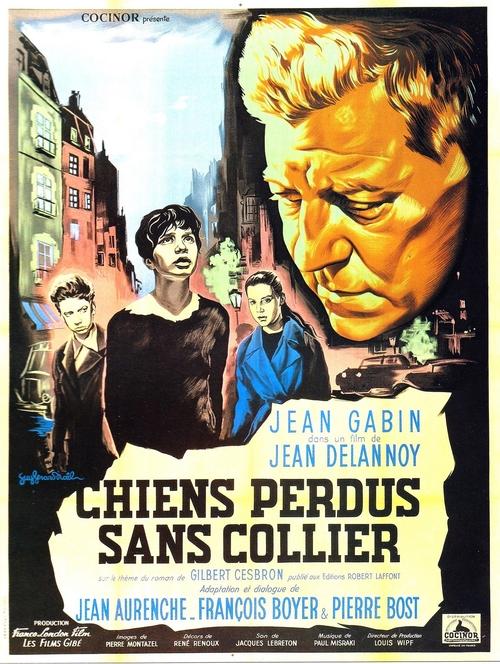
1955
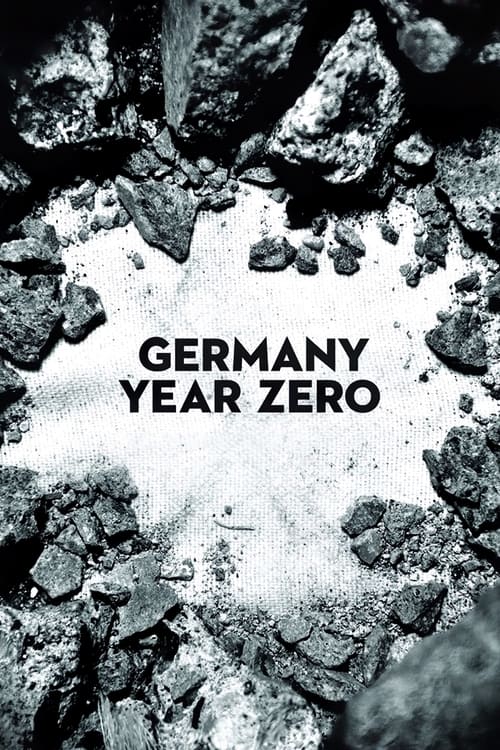
1948

1976

1921
No reviews yet. Be the first to share your thoughts on this movie!
Use the rating form above to leave a star rating and optional review.